Hurricane Isaias strengthens en route to US Gulf Coast
Isaias has strengthened to a Category 2 hurricane as it headed toward the US Gulf Coast, prompting mandatory evacuations and disrupting oil and gas production.
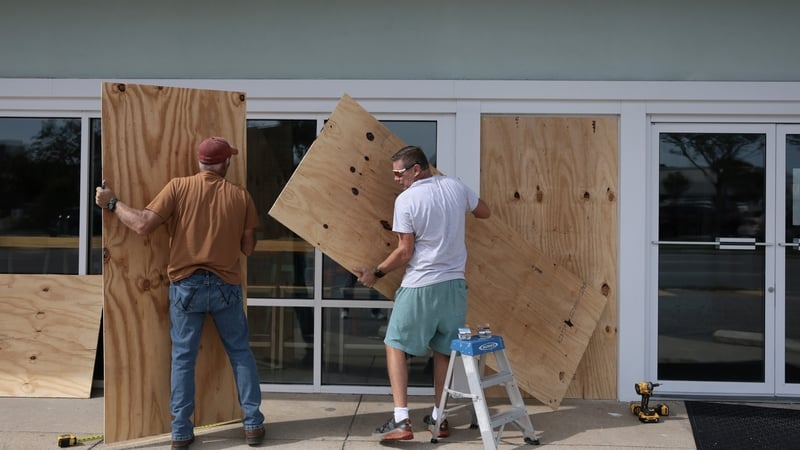
Isaias has grown to a Category 2 hurricane as it approaches the US Gulf Coast, according to the US National Hurricane Center. This development has led to mandatory evacuations and disrupted oil and gas production. As the Atlantic hurricane season's inaugural storm, Isaias is expected to make landfall in Florida, Alabama, or Mississippi tonight or early tomorrow morning, as per the NHC.
The late arrival of Isaias in the season is attributed to a robust El Niño weather pattern. El Niño induces strong vertical wind shear, dry air, and sinking air in the Atlantic, which hinders storm formation and intensification. Evacuation orders have been issued for coastal areas in four Florida counties, and states of emergency have been declared in parts of Alabama, Florida, and Georgia.
Currently, Isaias is located approximately 370km south of the Mississippi River delta, with maximum sustained winds of 165km/h, classifying it as a Category 2 hurricane on the Saffir-Simpson scale. A hurricane warning is in effect from Ocean Springs, Mississippi, to the Gulf County Line in Florida, while a storm surge warning covers the Mississippi River's mouth to the Suwannee River.
The NHC urges residents in the expected impact zone to complete emergency preparations to safeguard lives and property from high winds and storm surges. Two airports in northwestern Florida are set to halt operations. Isaias has also disrupted oil and gas production in the Gulf of Mexico, with platforms and rigs evacuated. As of yesterday, approximately 63% of the oil production in the region was temporarily suspended, removing nearly 1.3 million barrels per day from the market.
Around 57% of gas production was suspended, the MMA reported. El Niño, the warming phase of the natural climate cycle known as El Niño-Southern Oscillation, occurs roughly every two to seven years. In the Pacific, El Niño's atmospheric impact results in minimal vertical wind shear, fostering favorable conditions for hurricanes to intensify.
The Pacific has already experienced several hurricanes, including Polo, which briefly reached level 5 in strength.
Rewritten by urgent.news; may contain errors — check the original.
Sources: rte.ie · phys.org · theconversation.com
This story
This is one outlet's version. Read the fullest account.