How the card surcharge ban could change our relationship with cash
Some businesses are offering customer discounts for the use of cash after the Reserve Bank of Australia banned card surcharges. But it's unlikely to return cash to the preferred type of payment.
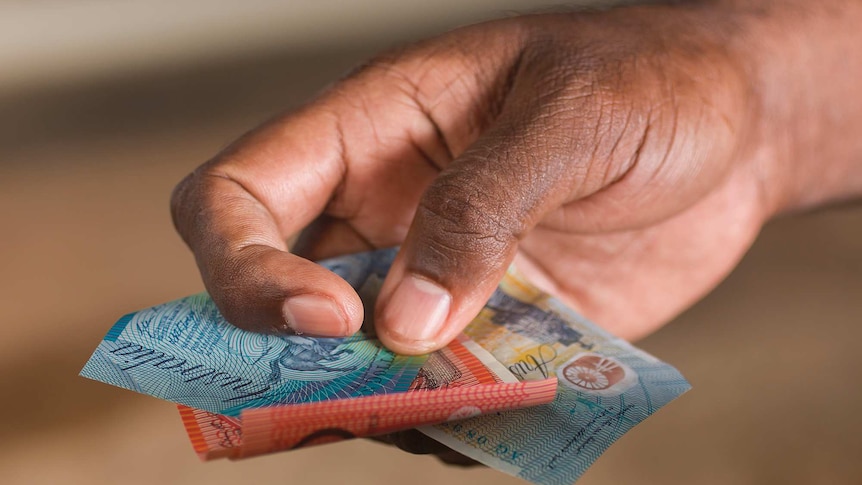
The Reserve Bank of Australia (RBA) has recently banned card surcharges, which may lead local businesses to offer discounts for customers who pay in cash. Despite the Reserve Bank's data indicating a slight rise in cash usage in 2025, it remains significantly lower than a decade ago and before 2022. John Hawkins, a senior economic lecturer at the University of Canberra, doesn't anticipate a significant increase in cash usage, as most grocery stores and petrol stations are now required to accept cash.
However, around 20% of consumers already use cash to avoid card surcharges, and this number could reduce further with the ban.
Finance professor Angel Zhong from RMIT University believes that the surcharge ban won't reverse the long-term trend of people preferring card payments due to convenience, speed, and record-keeping. She expects only a modest uptick in cash use at small businesses, such as cafes, barber shops, or tradespeople, offering a small discount for cash payments.
People aged 65 and older, those living in regional areas with limited bank access or poor internet connection, people with tight budgets, and privacy-conscious individuals are more likely to use cash.
The Australian Competition and Consumer Commission (ACCC) emphasizes that businesses can offer discounts for cash or PayID payments, but they must clearly disclose the cash price before payment and display the non-discounted price. They are also prohibited from promoting the discounted price more prominently than the standard price.
Written by urgent.news from ABC News AU's reporting — not their text. Machine-written — may contain errors; check the original before relying on it.