How local officials are testing voting machines to ensure election integrity
Midterm election season culminates on one important Election Day, but voting is already underway in many states. For the local officials who run elections, the work started even earlier. Liz Landers reports on how they prepare for voting and why they say voters should trust the process.
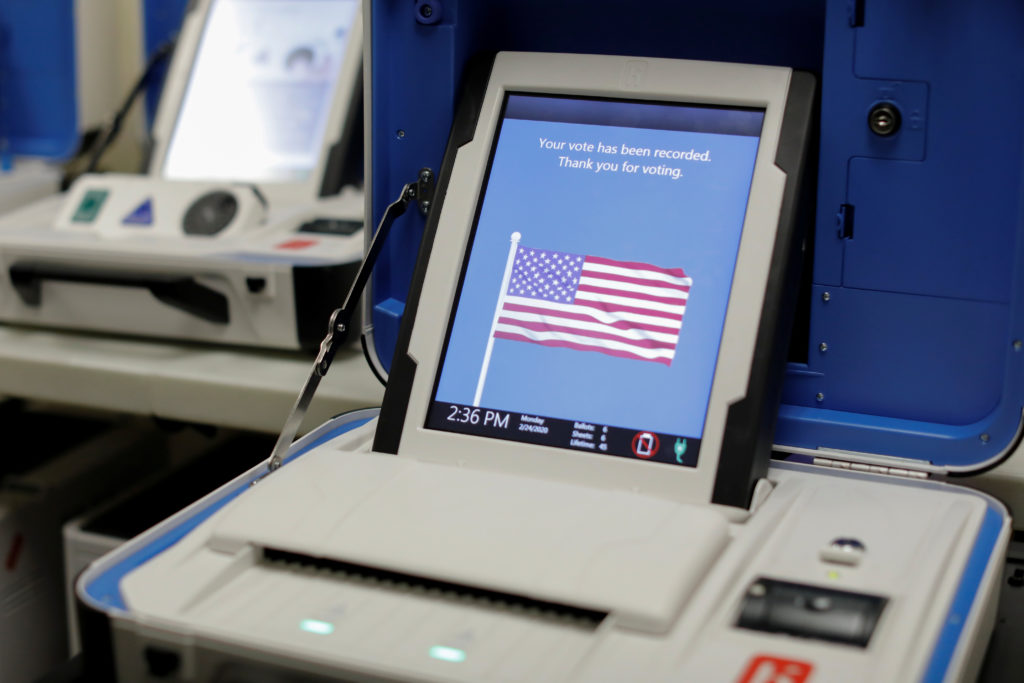
Midterm election season concludes with Election Day, but voting across the United States has already begun in various states. Local officials responsible for managing elections begin preparations months before the actual vote. Liz Landers explores the measures these officials take to ensure the integrity of the voting process and why voters should trust it.
In Davis County, Utah, Brian McKenzie, the county clerk, explains the rigorous testing that takes place before a single ballot is counted. They use test ballots with intentional errors, including double markings, to verify the machines accurately detect these mistakes. Utah predominantly uses mail-in voting, and each envelope carries a unique barcode. A two-person system logs and examines every return ballot under constant video monitoring before it is even opened.
The ballots are counted in batches of 200, with signatures verified against multiple records on file. Throughout the process, no wireless or web-based transfers occur; everything is handled manually and physically. McKenzie's first election, in 2004, employed punch cards, but the process has evolved significantly over the years, with increased public scrutiny.
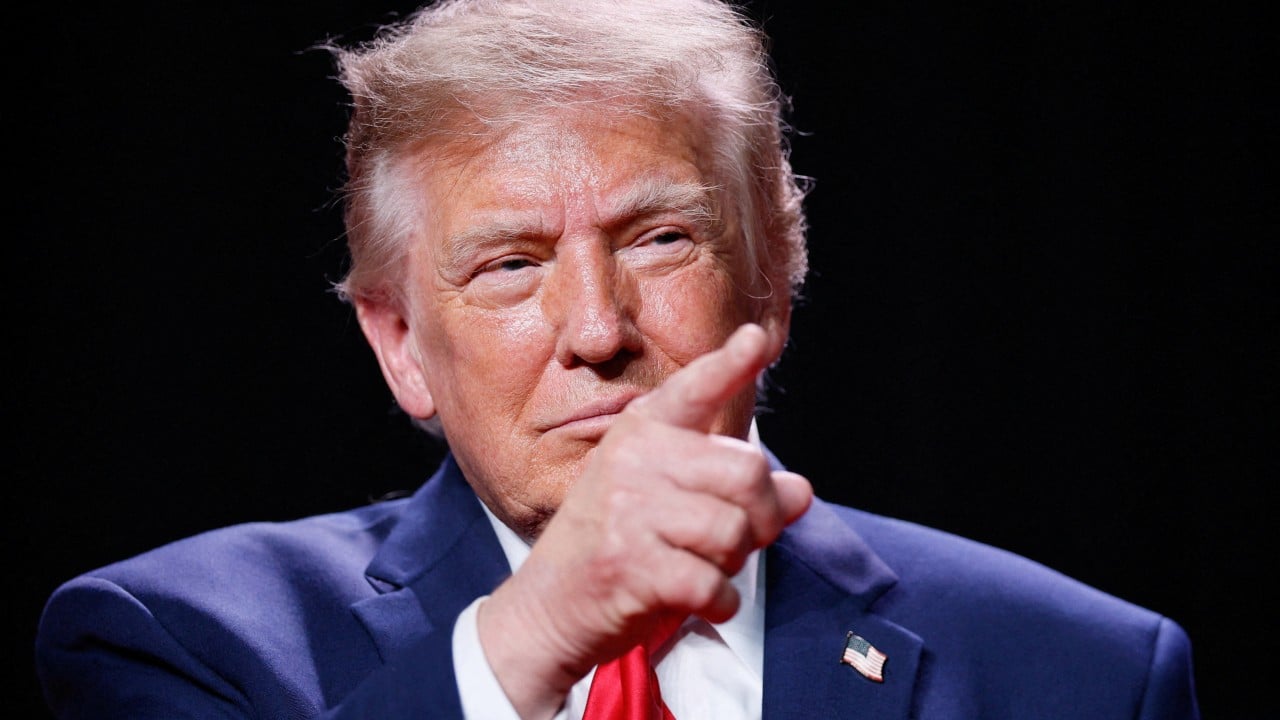
Voting by mail has become a contentious issue, especially following the 2020 election. President Trump attempted to restrict mail-in voting, leading to a legal battle that was blocked by the Supreme Court. Brian McKenzie's team in Utah has been preparing for potential changes, emphasizing the importance of ample notice and information to prevent disruptions and maintain voter confidence.
Joseph Kirk, the election supervisor in Bartow County, Georgia, expresses his concerns about the potential for doubt to undermine the voting process. He acknowledges that while the system is secure, external factors, such as the reduction in federal resources available for election security, pose threats. Kirk emphasizes the vulnerability of the voting system to external attempts to sow doubt and discourage participation.
In Western Colorado, Bobbie Gross, the county clerk and recorder, is actively working to build public trust in the election process. She organizes election tours and engages with various community organizations to foster transparency and reassurance about the integrity of the voting system. This trust was tarnished in 2020 when the county's former clerk, Tina Peters, faced charges for allowing unauthorized access to voting equipment.
After a controversial commutation of her sentence by Colorado's governor, Gross remains vigilant in maintaining the sanctity of the election process.
Rewritten by urgent.news; may contain errors — check the original.
Source: pbs.org