High earners in Germany will pay more social security in 2027
The German government has announced the social security assessment limit for 2027. Here’s what people working in the federal republic need to know:
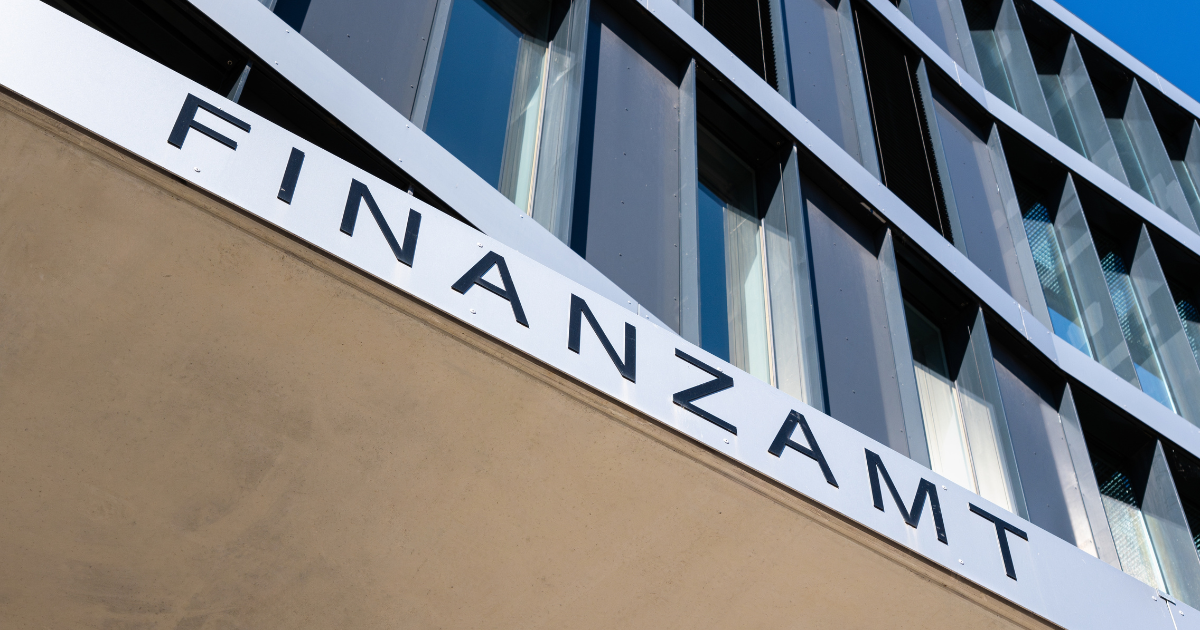
In Germany, the government's CDU/CSU-SPD coalition has announced that the social security assessment limit for the year 2027 will see an increase. This limit determines the maximum income that workers and pensioners must pay into the country's social security system. The extra income is not subject to contributions, meaning earners over this threshold will see a reduction in their social security obligations.
The social security contribution assessment limit is raised annually, and the government has now announced a significant increase to 6.375 euros per month, up from 5.812,50 euros per month in 2026. This represents the largest annual jump in recent years, with previous increases amounting to 337 euros and 300 euros respectively. The substantial rise will primarily impact high earners.
The increase in the social security assessment limit is not the only change affecting higher earners. The government's care reform also means that employees without children can expect to pay more in long-term care insurance contributions in 2027. Currently, employees and their employers each pay a base rate of 3.6 percent of annual income towards this insurance, with an additional 0.6 percent surcharge for those over 23 without children. However, the additional surcharge is set to rise to 0.9 percent from the start of 2027.
It is unclear how much additional statutory health insurance contributions (Zusatzbeiträge) will rise next year, as this decision is usually made in December. This change will likely impact low- and middle-income earners more than higher earners.
Rewritten by urgent.news; may contain errors — check the original.
Source: iamexpat.de