Googlebook’s app situation is a mess, and not just because things are missing
Having been using a Googlebook for the better part of a week, there are any number of headaches I could talk about, but easily the biggest problem I’m running into thus far is the app situation. Frankly, it’s a mess. more…
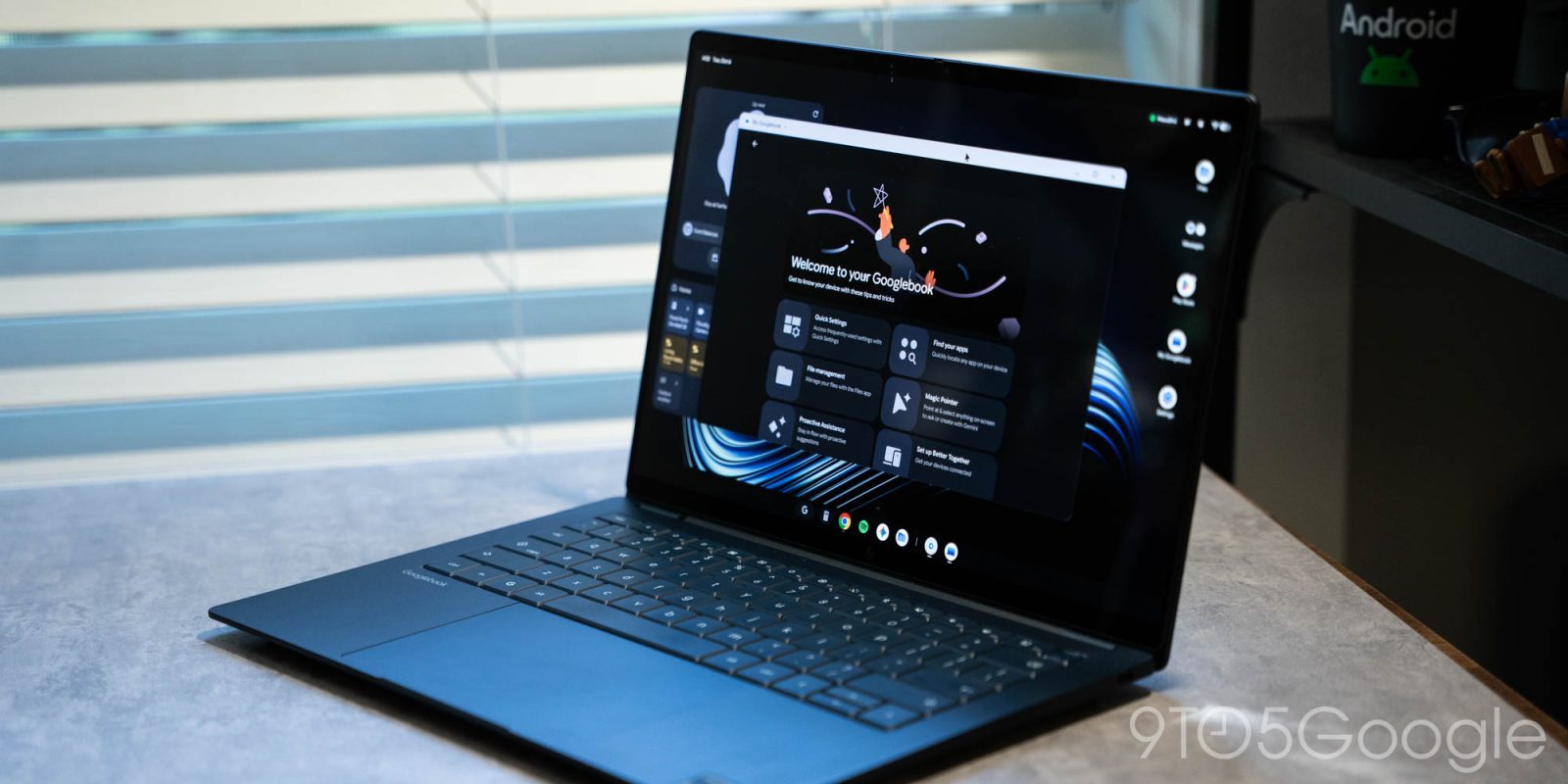
Having used a Googlebook for about a week, the biggest issue I’ve encountered so far is the app situation. It's a mess, and not all of it is due to missing apps. Googlebook, like Chromebook, never had a good chance for apps because it's built on the Android platform. While the foundation could support future growth, a lack of major efforts from Google and partners has resulted in a challenging start.
The most significant problem lies in accessing desktop-class apps and programs. Predominant software such as the Adobe suite is absent, and there’s no straightforward replacement. Moreover, the vast array of niche apps developed for Windows and macOS over the years are also missing. At launch, Googlebook wasn’t meant to compete with these platforms, but removing Linux support from ChromeOS hasn’t helped either.
The real frustration stems from the apps available on Googlebook and the confusing app access situation. The Google Play Store is the primary way to obtain apps on Googlebook, primarily using Android apps. Although this method is expected to improve over time, the current quality is inconsistent. Google’s attempt to enhance app quality by labeling them varies greatly, causing confusion for users.
For instance, the Telegram app is deemed "better on the website," but the Android app has numerous issues, such as the enter key not sending messages. However, the web app isn’t much better, as it often misbehaves or crashes. Slack presents its own challenges, with the Android app being terrible on anything other than a phone, and the web app not installable.
This isn’t a minor app, as millions rely on it for daily work on laptops. Spotify, which claims its app is "Optimized for desktop," isn’t bad but struggles with scaling on the Googlebook’s screen. It improves when the "Now Playing" panel is expanded, but it’s still not as seamless as on other desktop platforms. The term "Optimized" feels off for this app, and "Compatible" might be a better description.
Googlebook is still in its early stages, and while the foundation presents a promising future, the current state is incredibly frustrating. When good Windows laptops and the affordable MacBook Air are available, why would anyone choose Googlebook, especially with its Android integration issues? Share your thoughts in the comments below about this problem and how it affects your opinion of Googlebook.
Follow Ben on Twitter/X, Threads, Bluesky, and Instagram. Check out 9to5Google on YouTube for additional news.
Written by urgent.news from 9to5Google's reporting — not their text. Machine-written — may contain errors; check the original before relying on it.