Golan Heights dilemma: Israel's new military line blurs engagement and confrontation
On a clear day, Israeli soldiers on the Golan Heights can see Damascus with the naked eye, underlining the strategic advantage Israel has held for almost six decades since it occupied the plateau. Now Israel is seeking to add a layer of protection to the occupied area by building a military line known as Sufa 53 , a few kilometres inside Syria in Quneitra and Deraa governorates. It is one of…
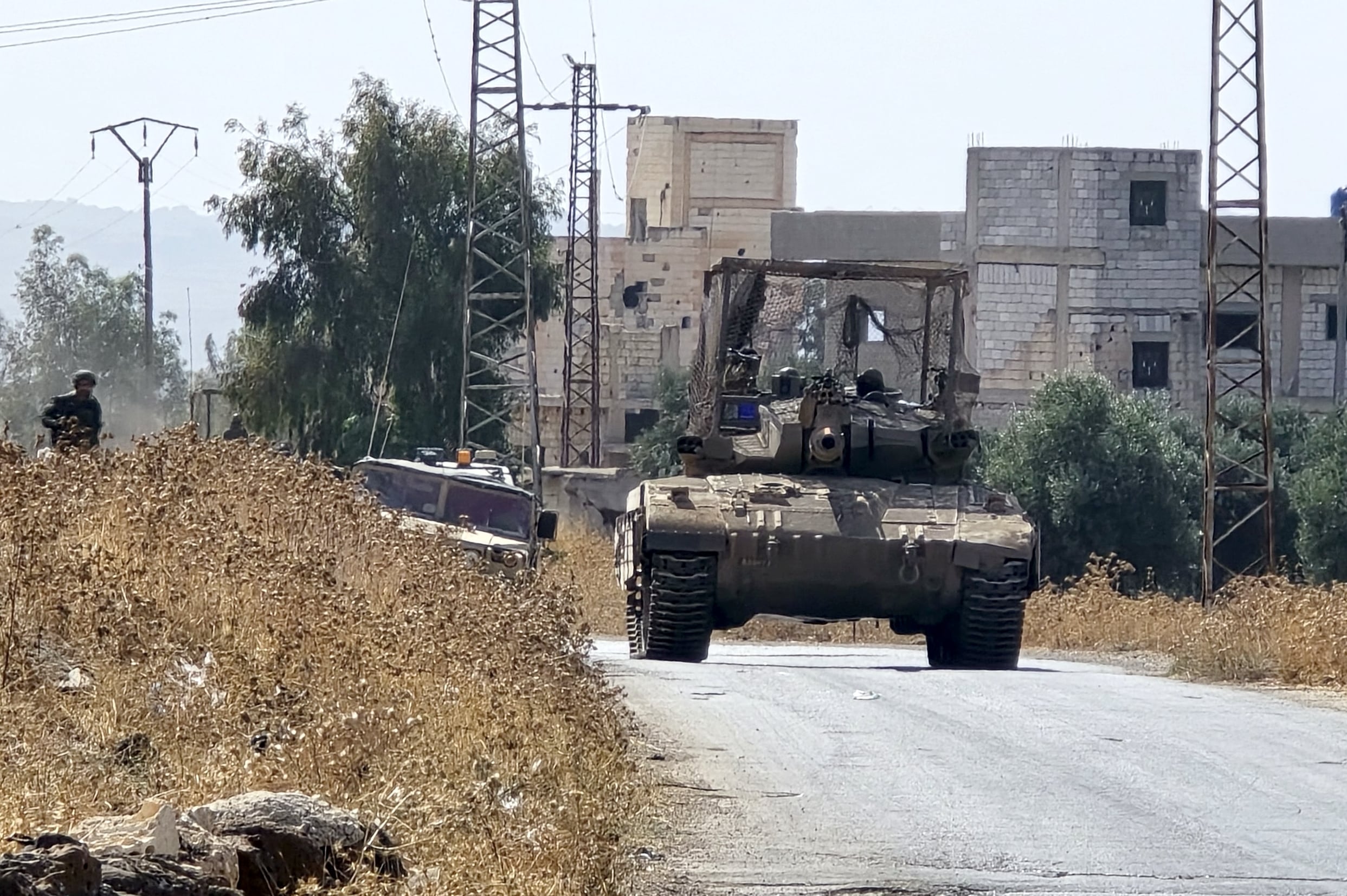
Israel has constructed a new military line, Sufa 53, just a few kilometers inside Syria, near the Golan Heights and bordering areas. The intent of this line is to enhance Israel's defensive capabilities against potential threats, particularly from Iran-backed groups. The line runs in proximity to populated Syrian regions where Israel frequently stages incursions to apprehend individuals considered a threat or to search for weapons caches.
The Sufa 53 line extends approximately 20 kilometers, starting near the town of Hader in northern Quneitra and reaching as far as the village of Hamddieh by last winter. This infrastructure, which includes roads, barriers, trenches, and other fortifications, is part of a series of new occupation lines established by Israel in response to the Gaza war in 2023.
The Golan Heights, a strategic advantage Israel has held since its occupation in 1967, overlooks southern Lebanon, northern Jordan, and the Sea of Galilee, Israel's primary water reservoir. Local officials have reported that the line has restricted access to farmland and other properties in the surrounding areas, and residents now face routine Israeli arrests and raids.
In the village of Hamddieh, residents have reported being shot at by Israeli forces, including the fatal shooting of a 22-year-old Palestinian man suspected of attempting to infiltrate an Israeli army position.
The Israeli military's approach to this policy is rooted in a doctrine emphasizing forward defense, deeper positioning, improved observation, obstacles to infiltration, and early detection and disruption of threats. This military logic is seen as more pragmatic than its political implications by experts. However, the strategic value of such infrastructure can easily morph into political significance.
Israel has not formally declared Sufa 53 as a new political border, and it has not been classified as the "formal name of an overarching territorial project." Former Syrian President Bashar Al Assad's removal has significantly altered Syria's military stance towards Israel, opening the door for potential peace talks. However, Israel's withdrawal has not been formally accepted by Syria, and discussions for security arrangements have not led to a lasting peace agreement.
Written by urgent.news from The National UAE's reporting — not their text. Machine-written — may contain errors; check the original before relying on it.
This story
This is one outlet's version. Read the fullest account.