Golan Heights dilemma: Israel's new military line blurs engagement and confrontation
On a clear day, Israeli soldiers on the Golan Heights can see Damascus with the naked eye, underlining the strategic advantage Israel has held for almost six decades since it occupied the plateau. Now Israel is seeking to add a layer of protection to the occupied area by building a military line known as Sufa 53 , a few kilometres inside Syria in Quneitra and Deraa governorates. It is one of…
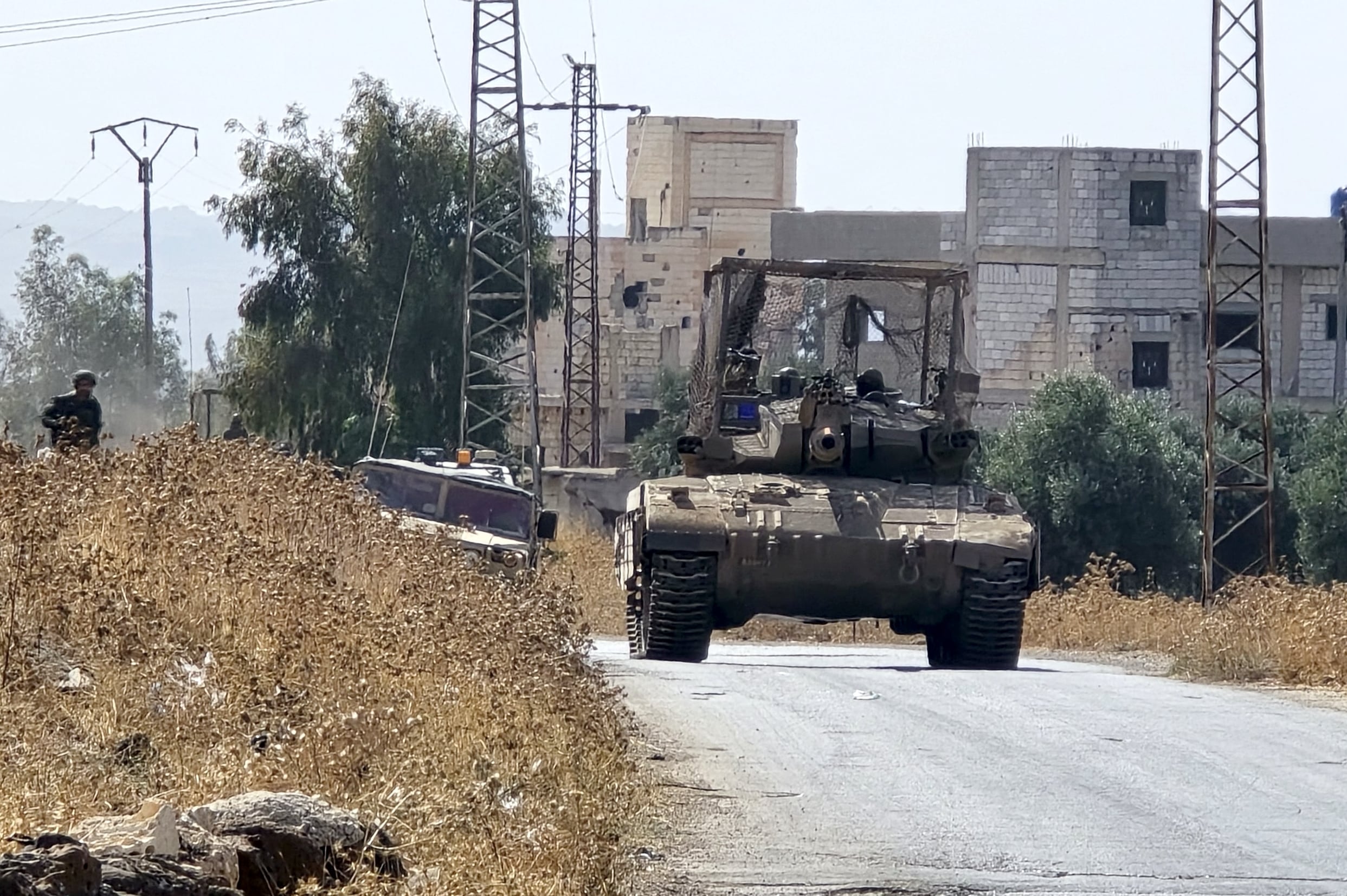
Israel has constructed a new military line in the Golan Heights, called Sufa 53, to provide an additional layer of protection in the occupied territory. This line, which extends for about 20km, begins near the town of Hader in northern Quneitra and runs as far as the village of Hamddieh. The Sufa 53 line is part of a series of three new occupation lines established by Israel in the past three years, following the start of the Gaza war.
These lines consist of roads, barriers, trenches, and other infrastructure designed to enhance Israel's security.
The Golan Heights, which Israel occupied in 1967, offer a strategic advantage to Israel, as it is visible from Damascus. Israel has been staging incursions and searches in the vicinity of the Sufa 53 line to apprehend potential threats or locate weapons caches. The line is named after the Sufa battalion, which played a crucial role in defending the Golan Heights during the 1973 war against Syria and Egypt.
The recent changes in Syria's leadership, following the ouster of President Bashar Al Assad, have altered the strategic landscape in the region. The new President, Ahmad Al Shara, has adopted a more flexible approach towards Israel, engaging in discussions about regional security. These talks, facilitated by US Special Presidential Envoy Tom Barrack, aim to address shared threats and potentially pave the way for peace negotiations.
However, Israel has not formally recognized the Sufa 53 line as a political border and has not integrated it into a broader territorial project.
The construction of the Sufa 53 line has presented challenges for the Syrian population living near the area. The line's proximity to their farmland and villages has made access difficult, as residents risk being shot at by Israeli forces when venturing into restricted zones. The increasing presence of Israeli military infrastructure in the region has raised concerns about the potential escalation of tensions and the impact on civilian life in Syria.
Written by urgent.news from The National Business's reporting — not their text. Machine-written — may contain errors; check the original before relying on it.
This story
This is one outlet's version. Read the fullest account.