Global trade to grow 4% in 2026, slower than 4.4% in 2025: UNCTAD
Global trade is projected to grow by 4% in 2026, although slower than the previous year. The report indicates higher trade values resulting from energy price increases and export controls. Trade between China and the US has decreased significantly, while East Asia is expanding trade with both regions. Developing economies, particularly India, are expected to drive notable growth despite overall…
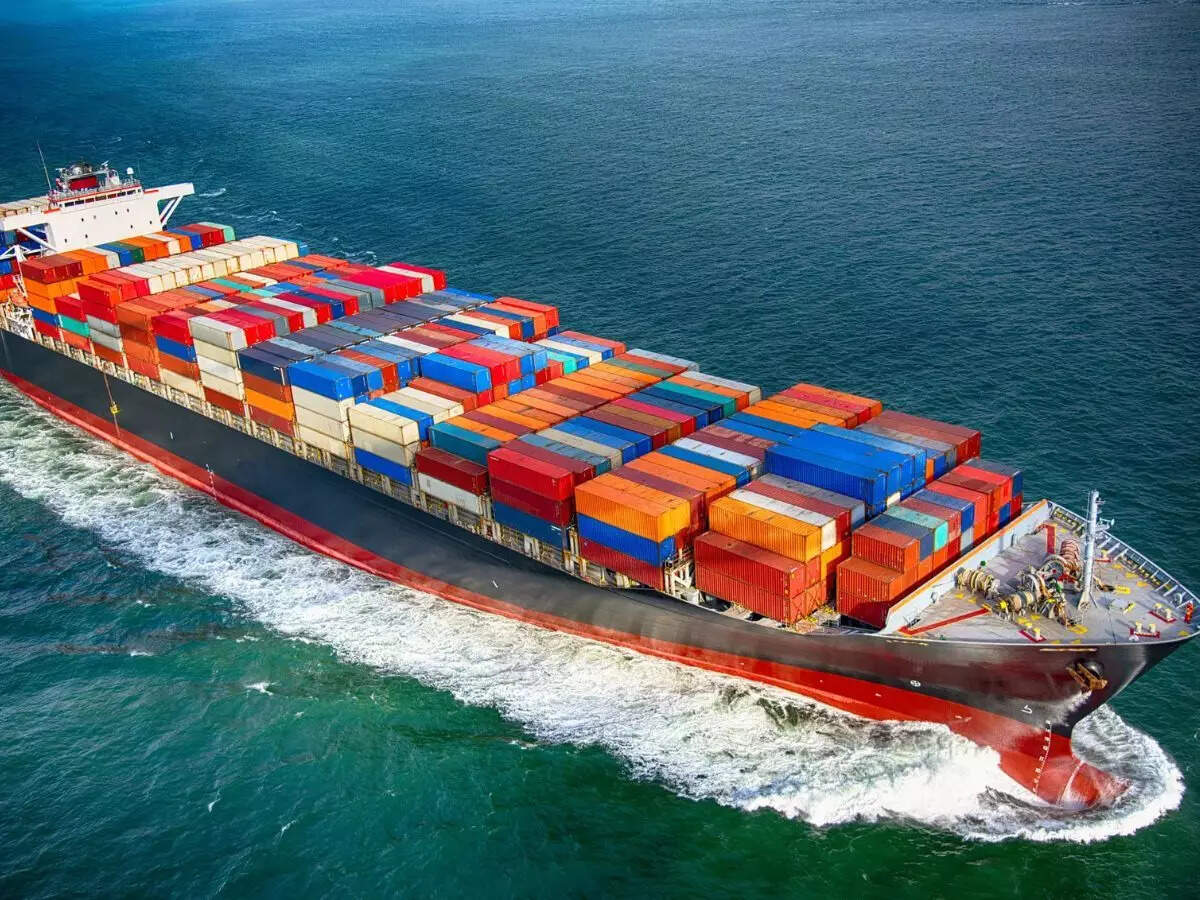
Global trade is projected to increase by 4% in 2026, according to the UNCTAD's latest report, which is slightly lower than the 4.4% growth observed in 2025. The report attributes the 2026 growth rate to higher trade values stemming from price increases due to an energy shock, export controls, and investment screening, as well as supply-chain conditions that make it more challenging for new entrants to access strategic sectors. In 2025, global trade hit a record high of $35 trillion.
Trade between China and the US has declined by more than 20% since 2024, but East Asia has seen a surge in trade with both China and North America. The report highlights that governments are increasingly leveraging industrial, trade, financial, and technology policies to achieve both economic and national security goals. Market access and the ability to move into higher-value activities are now more dependent on technology, finance, and geopolitical factors.
A significant driver of merchandise trade in 2026 is expected to be artificial intelligence products, comprising advanced computing equipment deployed primarily in new data centers. These products account for 82% of the value added in this category. However, the resilience of global trade is uneven, with only a few economies benefiting from the AI boom. This uneven growth highlights long-standing structural challenges, including financialization, inequality, fiscal conservatism, and climate change.
The report also notes that issues advancing faster than multilateral rule-making have led governments to adopt unilateral measures, preferential agreements, and plurilateral initiatives. Additionally, the expiration or non-renewal of major preference schemes and the growing use of unilateral tariffs have led to abrupt increases in applied tariffs for vulnerable exporters.
These tariffs are particularly burdensome for countries that are highly dependent on a single preference-granting market, have concentrated export structures, or export manufactured or agricultural goods facing high most-favoured nation tariffs.
Strategic investment is heavily concentrated in Europe (28.4%) and North America (28%), but developing economies are also attracting capital, with Asia accounting for 59% of global growth in 2026. India is projected to be the fastest-growing among large economies, with an estimated 7.3% growth in 2026. However, import-dependent economies face greater challenges as they absorb shocks with limited fiscal space and rising debt servicing costs.
Written by urgent.news from The Economic Times - Economy's reporting — not their text. Machine-written — may contain errors; check the original before relying on it.