Giù la produzione industriale (-1,3%), frenata da moda e chimica
Passo indietro ad agosto per la produzione industriale, che nelle rilevazioni Istat cede l’1,3%, con una variazione nulla su base annua. L’indice scende così ai livelli di un anno prima:...
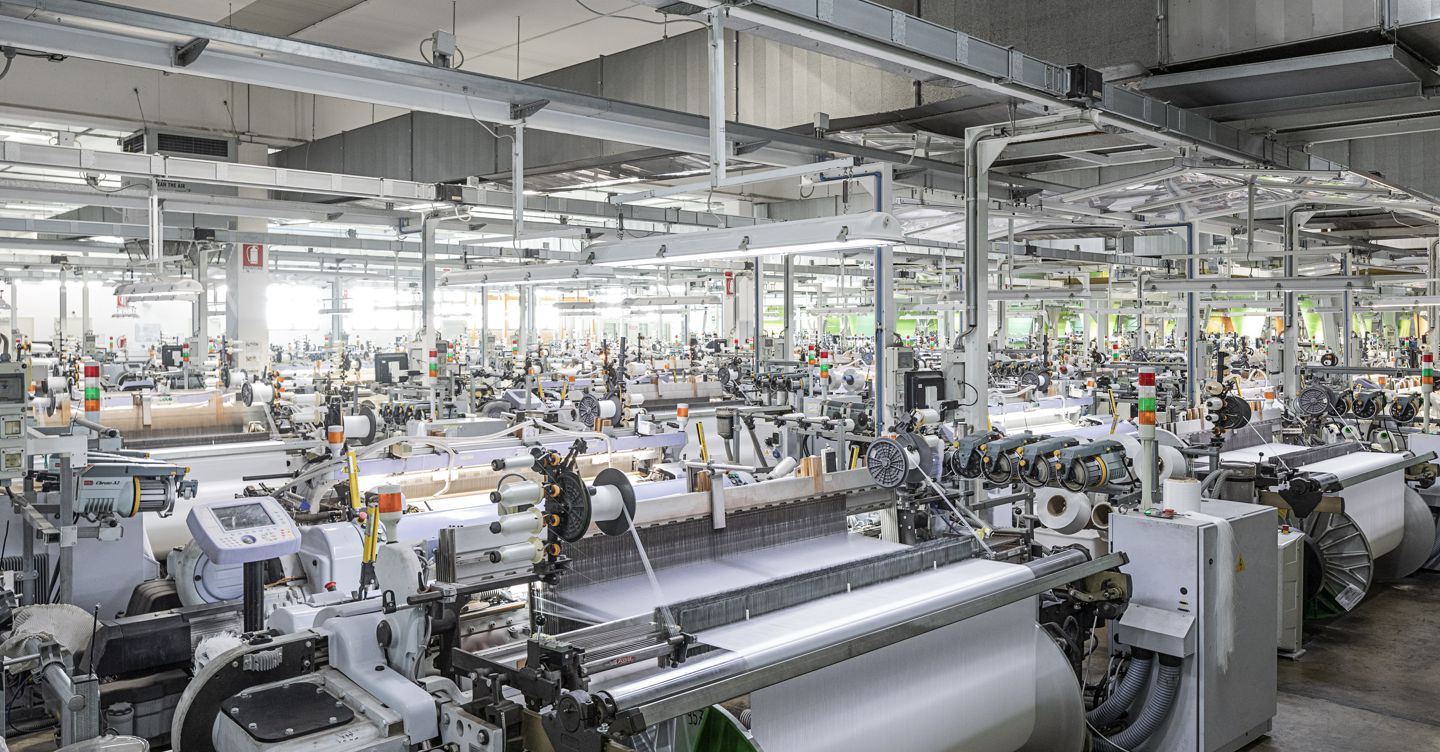
Industria italiana shows a 1.3% decline in August production, remaining flat year-on-year, according to Istat data. The sector now matches its levels from August 2025, as only the energy industry saw a significant rise. Consumer goods and intermedi fell, while instrumental goods grew by 0.7%. Transport and machinery, along with other non-classified industries, showed a slight positive trend.
The textile and chemical sectors suffered the most, with double-digit drops, followed by a minor decline in electronics and electrical engineering. Food production nearly stagnated. This weak growth in the first eight months of the year now stands at just three decimal points. The Istat data fits into a phase of slight economic recovery, evident in numerous upward revisions of Italy's growth forecasts, with GDP now projected at over 1% (+0.9% above the OECD estimate, +1% above Fitch and Confindustria's +0.8%).
However, inflation remains the main concern, driven primarily by energy prices. The increase in consumer prices, measured annually, reached 4.2% in September, up from 3.3% in the previous month. This sudden price hike is one of the reasons behind the decline in consumer confidence, which dropped in September, along with a reduction in the relative value of all business categories, with manufacturing being the exception.
Across Europe, the situation is mixed, with France lagging by three decimal points while Germany achieved an unexpected rebound, with industrial production in August growing by 2% month-on-month and 2.3% year-on-year. The auto sector remains particularly hard hit, with a double-digit drop in exports. Overall, domestic production dropped by 4% in August, the same as the first eight months of the year.
The situation stabilized in September, with no change, while the nine-month decline stood at -4%, close to three million units. This means 15% less than the same period in 2019, before the Covid-19 crisis.
Written by urgent.news from Il Sole 24 Ore's reporting — not their text. Machine-written — may contain errors; check the original before relying on it.