Gastkommentar: Trump ignoriert die größte Gefahr für Amerikas Wirtschaft
Wie eine Staatsschuldenkrise beginnt, ist in der Regel recht leicht nachvollziehbar. Das Ende ist viel schwerer vorherzusagen, warnt Harvard-Ökonom Kenneth Rogoff.
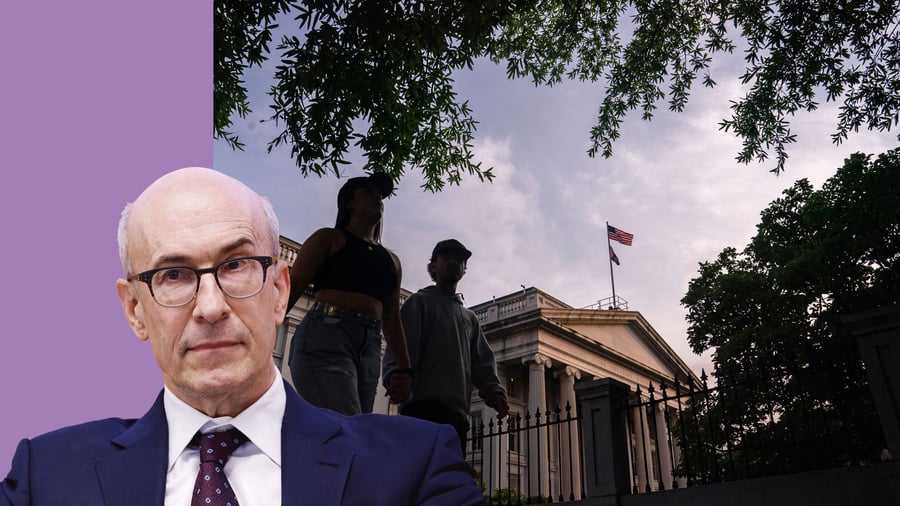
The United States budgetary situation resembles a train hurtling along a winding mountain track, with no one willing to slow down out of fear of missing a deadline and losing their job. Even if the train doesn't derail, it begs the question of why it should continue moving at such a pace. Despite robust economic growth, the budget deficit stands at approximately six percent of the Gross Domestic Product (GDP).
However, the option of slowing down appears absent in President Donald Trump's strategy. The onset of a state debt crisis is typically quite easy to understand, but the end is much harder to predict. A crisis can erupt when a country's debt, though historically high, has thus far remained manageable due to low interest rates. Then, for some reason, interest rates begin to rise.
This could be due to global influences, a change in government, or simply because memories of previous financial crises have faded. The United States seems to be at this point today. Rising credit costs would be less problematic if the government had secured favorable long-term financing, which it has not.
Written by urgent.news from Handelsblatt's reporting — not their text. Machine-written — may contain errors; check the original before relying on it.