For Indian communities, fishmeal factories bring pollution, danger and protests
This article is from Food for Feed, a series investigating the global fishmeal industry. It is produced by the Outlaw Ocean Project, a news organization based in Washington, D.C., and excerpted by Mongabay. In late August 2025, a company named Marine Impex Pvt. Ltd. contacted the city council of Cuncolim, a city in southern India, […]
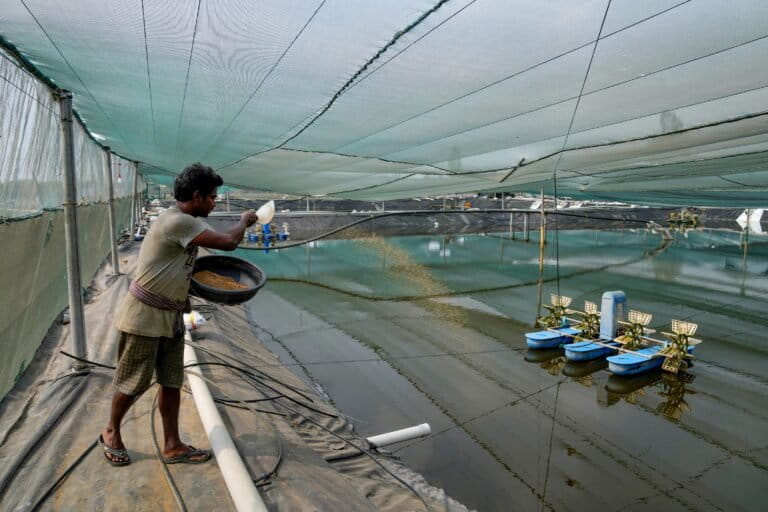
Fishmeal factories, pivotal in the global food industry, have become a source of significant pollution, danger, and protests for Indian communities. A proposal emerged in late August 2025 from Marine Impex Pvt. Ltd., a company seeking to construct a new fishmeal processing plant in Cuncolim, a southern Indian city. This plant would process up to 2,400 metric tons of fishmeal monthly, a key ingredient in the diets of farmed seafood such as shrimp, salmon, and tuna. However, the announcement was met with fierce opposition.
Activists and politicians expressed strong disapproval, with city councilor Landry Mascarenhas likening the project to "killing the people of Cuncolim." State lawmaker Elvis Gomes drafted a letter to the governor of Goa, highlighting the plant's potential to create an unbearable stench. He warned, "The effect of it pervades for a prolonged period," emphasizing the unbearable air quality caused by existing plants.
The backlash in Cuncolim brought attention to the industry's troubling history. From 2018 to 2024, at least 30 Indian fishmeal plants were implicated in various environmental violations and legal infractions, including waste dumping into waterways, tax evasion, and the use of illegal timber for boiler fuel. This article, published by Mongabay, sheds light on the growing concerns surrounding these factories and their impact on local communities.
Written by urgent.news from Mongabay's reporting — not their text. Machine-written — may contain errors; check the original before relying on it.