Food industry warns of supply shock over Super El Nino
India's food industry is alerting to a potential supply shock projected for the year 2027. Experts indicate that a Super El Nino may disrupt crop production and elevate food inflation. Growing concerns arise over the impact on sugar and oilseed production, particularly in states with severe drought conditions. The livestock sector is also preparing for increased feed costs due to these challenges.
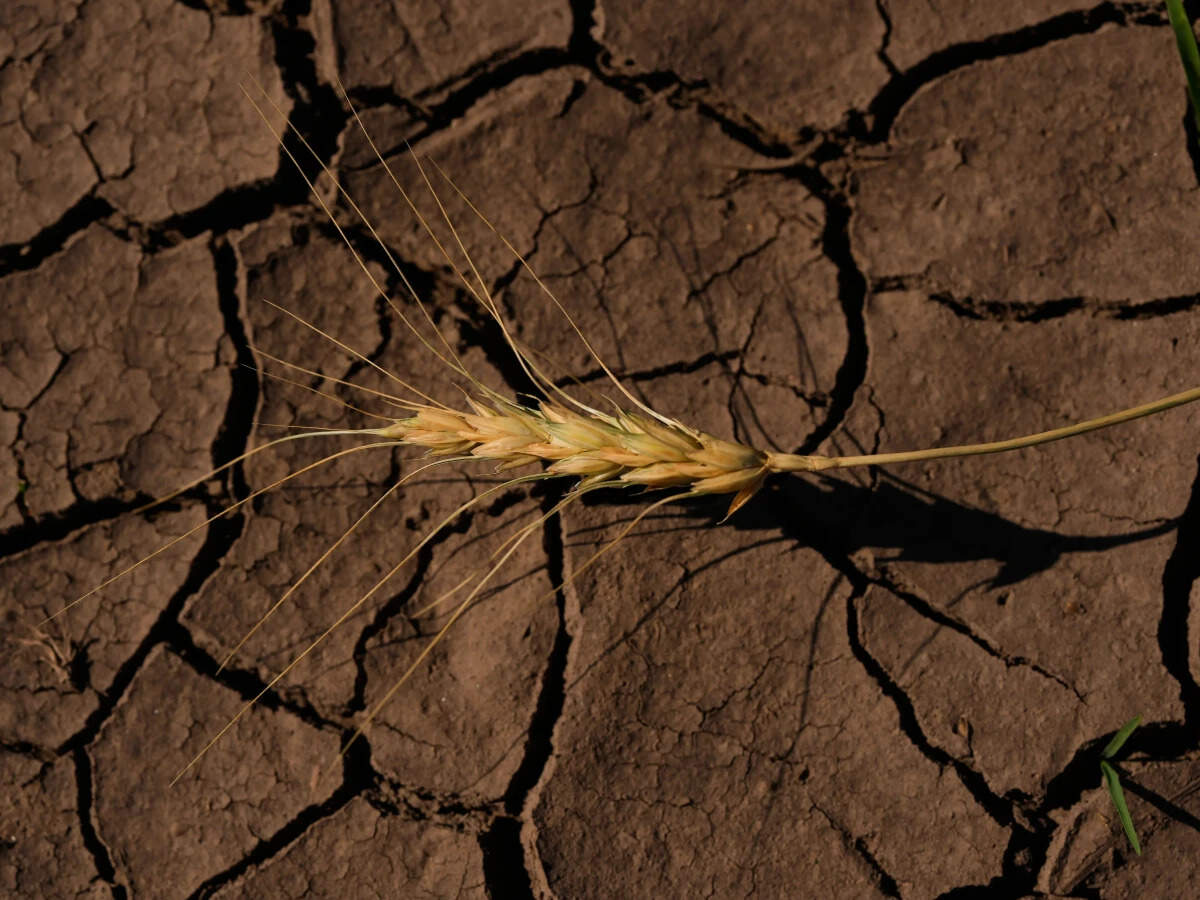
India's food industry is warning of a potential supply shock in 2027 due to a developing Super El Nino. This weather phenomenon could disrupt crop production, squeeze supplies, and drive up food inflation beyond the current monsoon season, according to Bimal Kothari, president of the Indian Pulses and Grains Association. The rabi chana harvest is a key determinant of pulse prices, and the industry is particularly concerned about the 2026-27 and 2027-28 seasons.
Scientists have also highlighted concerns over rising temperatures, heat stress, and higher water demand. Sugar producers fear two difficult seasons ahead, with ex-mill sugar prices potentially crossing Rs 50 per kilogram during June-October 2027. The livestock sector is also bracing for challenging times due to rising feed costs.
Written by urgent.news from The Economic Times - Economy's reporting — not their text. Machine-written — may contain errors; check the original before relying on it.