Finance ministry: Malaysia’s fiscal deficit to narrow to 3.3 pc in 2027
KUALA LUMPUR, Oct 9 — The fiscal deficit is projected to narrow to 3.3 per cent of gross domestic product (GDP) in...

The Malaysian finance ministry has projected that the country's fiscal deficit will shrink to 3.3% of GDP by 2027, according to the Medium-term Consolidation outlined in the Public Finance and Fiscal Responsibility Act 2023. This outlook is contingent upon steady revenue growth and expenditure efficiency, reflecting the government's commitment to fiscal prudence.
The ministry's Fiscal Outlook and Federal Government Revenue Estimates for 2027 reveal that borrowing demands will be contained, bolstering the nation's financing profile and reinforcing the medium-term debt trajectory.
The Government-Linked Enterprises Activation and Reform Programme (GEAR-uP) initiatives will continue to bolster private sector participation through public-private partnerships and co-investment arrangements, fostering investment in strategic sectors aligned with national development goals. In a strategic financial maneuver, Petroliam Nasional Bhd's dividend is expected to rise from RM20 billion to RM27 billion, bolstered by higher global crude oil prices.
This development provides a significant fiscal buffer to manage additional expenditure pressures, lifting the federal government's revenue estimate to RM363.6 billion in 2026, a six percent increase from the previous projection.
The ministry's fiscal assessment also took into account the fiscal implications of external shocks, including the escalation of conflicts in the West Asia region and persistent supply disruptions, which have strained global trade and the economy. In response, the government swiftly implemented a coordinated whole-of-government strategy to secure energy and essential goods supply, mitigate cost pressures, and enhance economic resilience.
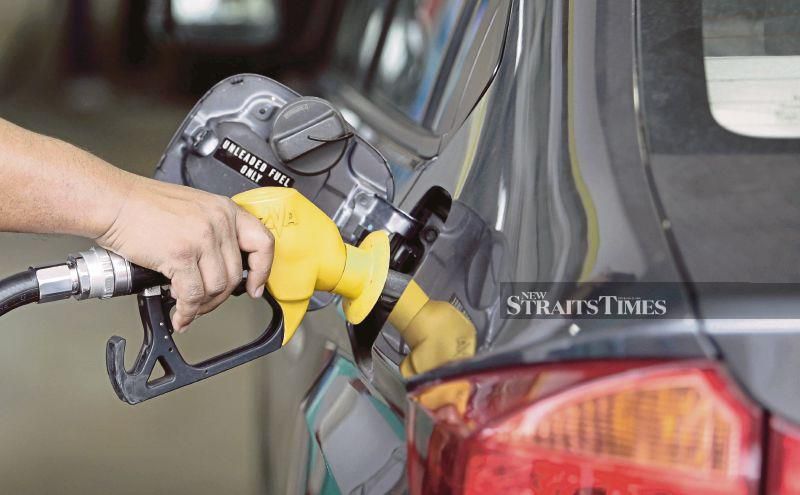
Key measures included continued targeted fuel subsidies, temporary adjustments to fuel quotas and controls, and over RM15 billion in financing support for micro, small, and medium enterprises, including RM5 billion through the Syarikat Jaminan Pembiayaan Perniagaan Bhd, RM5 billion via the SME Stabilisation Relief Facility under Bank Negara Malaysia, and microfinancing facilities exceeding RM5 billion.
These efforts were complemented by expenditure prioritisation to absorb the fiscal impact of rising global crude oil prices, resulting in increased fuel subsidies to RM40 billion. Following the stabilization of domestic energy supplies, the BUDI95 fuel quota was restored to 300 litres per month from September 1, 2026, and the electricity bill assistance threshold was expanded to 800 kilowatt-hours per month, providing additional relief to households amid higher energy costs.
Despite the challenging global fiscal landscape, the Malaysian government remains committed to fiscal discipline and maintaining a sustainable medium-term consolidation path. Borrowing requirements will be managed prudently, supporting fiscal resilience and preserving policy space for the medium term. Looking ahead, the federal government plans to strategically allocate public resources towards productive investments that enhance the nation's long-term economic potential while maintaining flexibility to address immediate needs.
The ministry emphasized a supportive fiscal stance amidst global challenges, balancing growth promotion with a steadfast commitment to fiscal consolidation.
Written by urgent.news from Malay Mail's reporting — not their text. Machine-written — may contain errors; check the original before relying on it.
This story
This is one outlet's version. Read the fullest account.