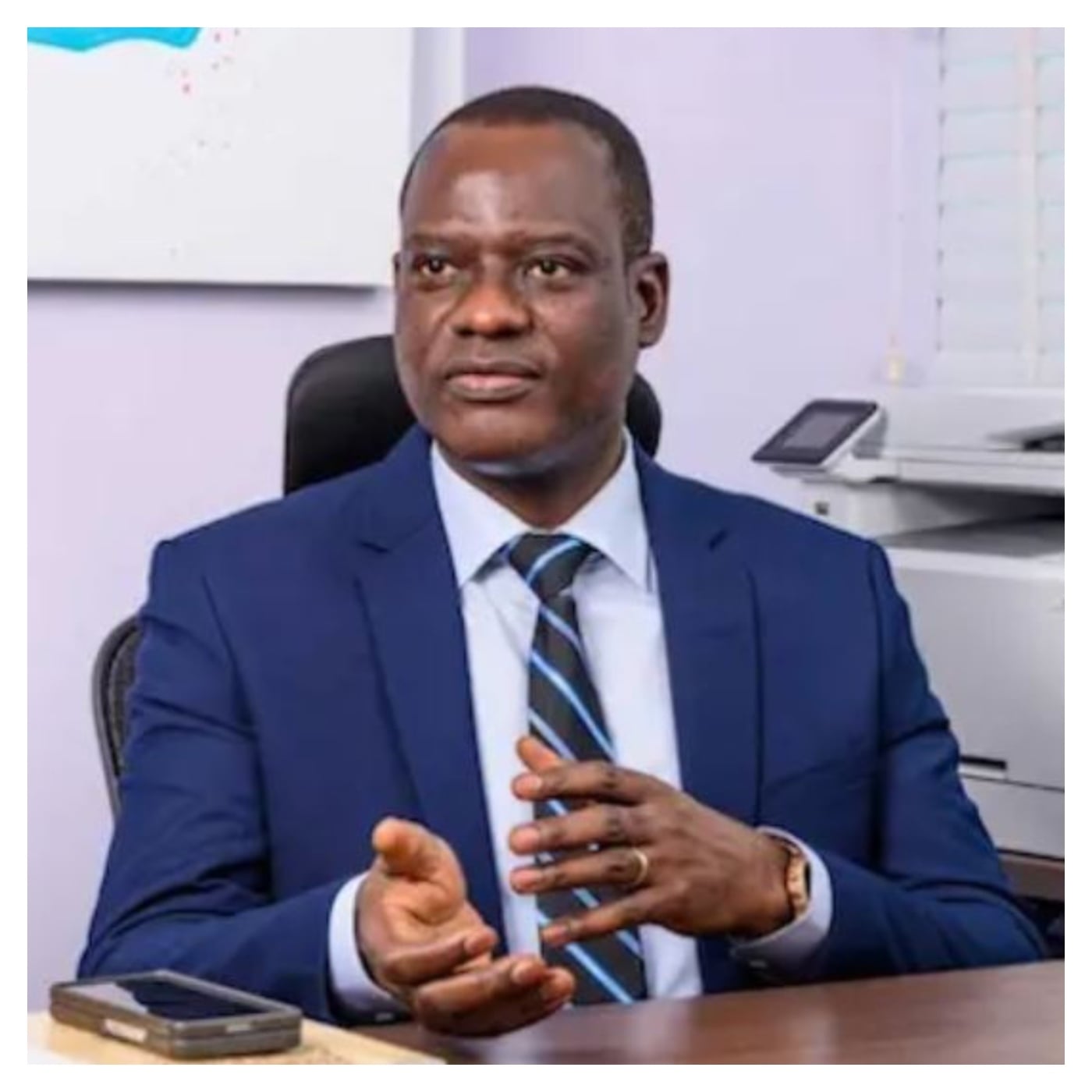
FAO urges innovation to transform Ghana’s food systems sustainably
Dr Meshack Oguna Malo, the Food and Agriculture Organisation (FAO) Representative to Ghana, has called for greater innovation and the use of science, technology and artificial intelligence (AI) to transform Ghana’s agriculture and food systems. The post FAO urges innovation to transform Ghana’s food systems sustainably appeared first on Ghana Business News .
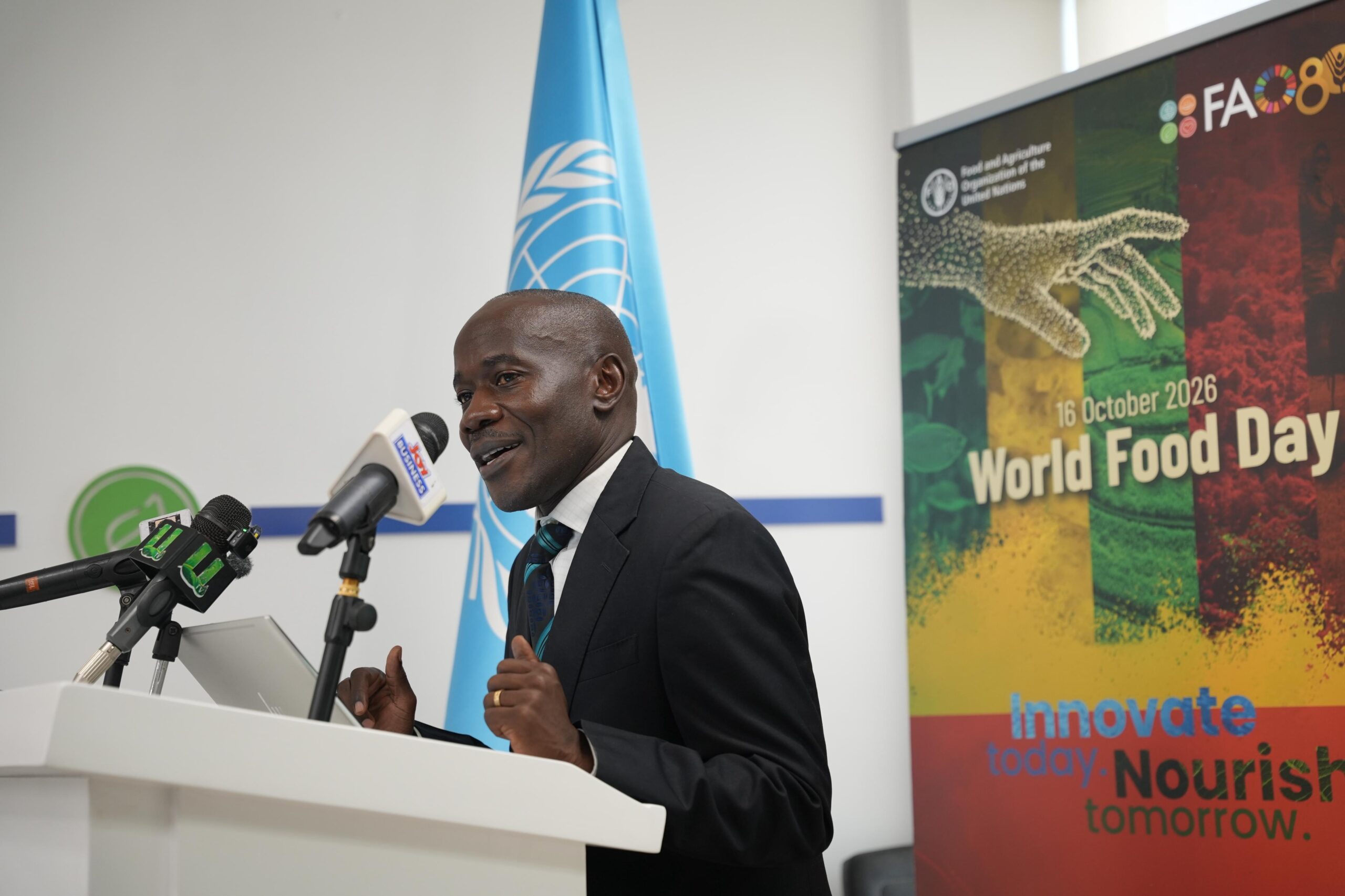
Dr Meshack Oguna Malo, the Food and Agriculture Organisation (FAO) Representative to Ghana, has urged for greater innovation and the utilization of science, technology, and artificial intelligence (AI) to revolutionize Ghana's agriculture and food systems. At a press briefing for the World Food Day on October 16, 2026, Dr Malo emphasized that innovation could offer practical solutions to challenges confronting farmers and enhance production and productivity throughout the sector.
Dr Malo highlighted that even simple innovations could have a substantial impact when recognized, developed, and disseminated to farmers and young people. He provided an example of an innovation that enabled a rabbit farmer to predict the birth of rabbits, thus minimizing production losses. He underscored that what appears to be ordinary solutions can become vital innovations when applied to resolve practical agriculture challenges.
Dr Malo called for enhanced collaboration with the media to disseminate such innovations to young people, enabling them to identify opportunities to develop technology-driven solutions. He stated that the FAO was partnering with entities under the "Innovate Today, Nourish Tomorrow" initiative to pinpoint areas where technology could be employed to devise resolutions.
Dr Malo underscored that innovation, including AI, has emerged as a pivotal driver of global commerce and could significantly contribute to enhancing food and agricultural systems. Dr Grace Forson of the Noguchi Memorial Institute for Medical Research pointed out that 17.4% of Ghanaian children and 45% of women of reproductive age were malnourished.
She elaborated that malnutrition imposes a financial burden on Ghana, costing about 6.4% of its Gross Domestic Product annually, necessitating collaborative efforts across health, education, and social protection sectors.
Dr Forson emphasized that research institutions, policymakers, the private sector, and communities must unite to promote nutritious, affordable, and sustainable local food systems. Aimee Wallin, the Co-Director of Ghana Food Movement, highlighted that the organization focuses on young individuals and the potential of Ghana's local food system to enhance food, health, and livelihoods.
The movement operates on three pillars: community building, food education, and local food promotion, emphasizing the collaboration and action among actors across Ghana’s food system. Wallin stressed that innovation should also incorporate traditional and indigenous knowledge, noting that Ghana's diverse crops, recipes, food heritage, and talents could contribute to the future of the country's food systems.
She urged Ghanaians to harness indigenous knowledge and local products as part of the efforts to nourish the nation.
Rewritten by urgent.news; may contain errors — check the original.
Source: ghanabusinessnews.com