Dubai’s new street signs explained: What is changing and what do the colours mean?
Dubai: S treet signs, neighbourhood boards and house number plates across Dubai are getting a new look , with updated colours, unified designs and QR codes being introduced across 186 areas by 2030. The changes are part of Dubai's new addressing system, aimed at making it easier for residents, motorists and visitors to identify streets, communities and individual properties. But what will the new…
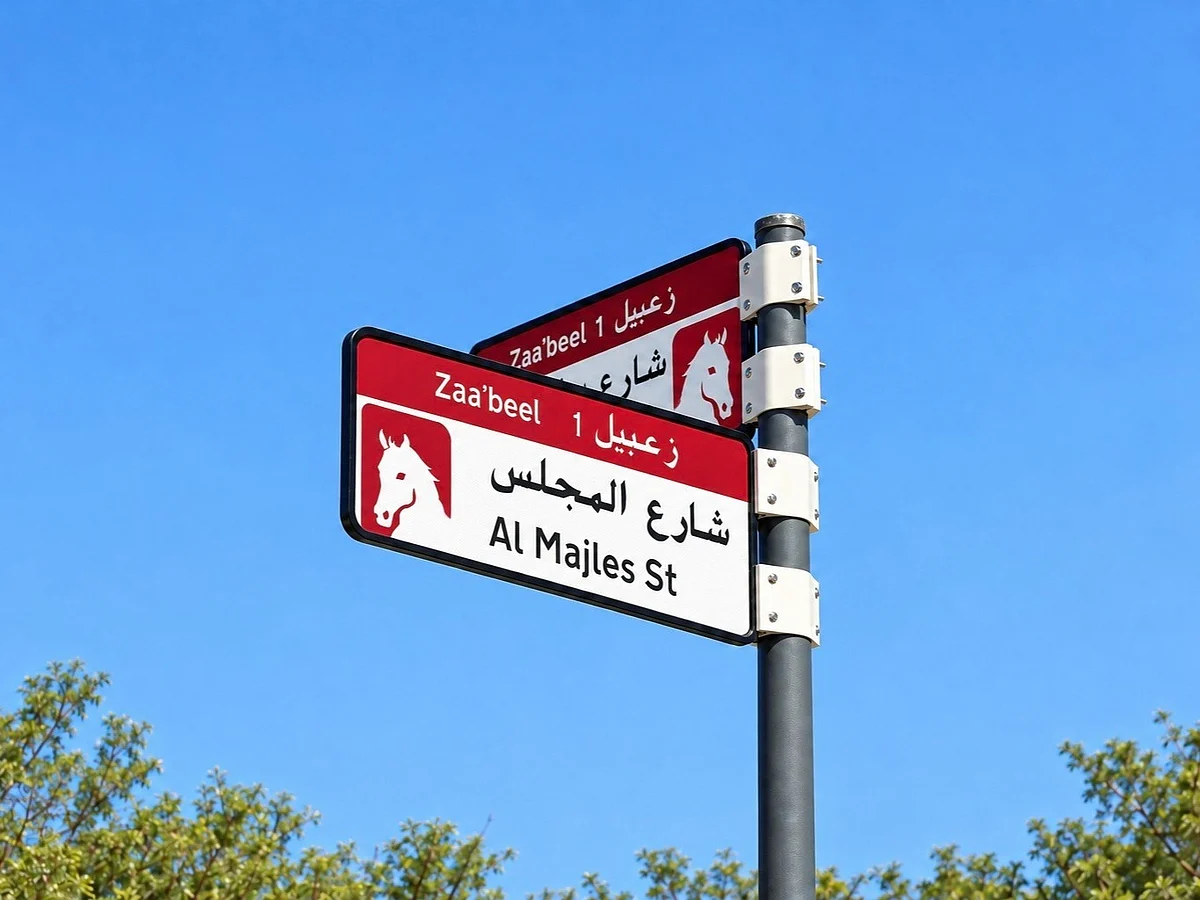
Dubai's new street signs, part of the city's addressing system, are set to undergo a significant transformation. The project, spearheaded by the Supreme Committee for Urban Planning, Roads and Transport Authority (RTA), and Dubai Municipality, aims to introduce unified designs, colours and QR codes across 186 areas by 2030. The first phase, commencing in 2026, will see over 2,000 signs installed or replaced in five districts - Za'abeel 1, Za'abeel 2, Nad Al Sheba, Al Khawaneej 1 and Nazwa.
The remaining areas will follow in the fourth quarter of 2026, with the entire rollout planned for completion by 2030.
The new signs will primarily focus on area identification, internal street names and house number plates. Each property will be marked with a unique 10-digit Makani number alongside a QR code, enabling users to access additional location details. QR codes will also be introduced on other signs, offering insights into various sectors, community names, nearby landmarks and points of interest. This move is expected to enhance the ease of navigating Dubai's streets for residents, motorists and visitors alike.
It's important to note that the new colour coding will not replace Dubai's existing highway navigation system. The city currently employs different colours to distinguish between inter-emirate highways, city roads, residential streets and tourist destinations. Blue signs denote inter-emirate roads, green signs mark Dubai's internal roads, white signs identify residential streets and neighbourhoods, while brown signs guide motorists towards tourist attractions and landmarks.
The project's phased implementation, spanning until 2030, aims to ensure a consistent and coordinated visual identity across Dubai's streets and neighbourhoods.
Rewritten by urgent.news; may contain errors — check the original.
Source: gulfnews.com