‘Creative’ Laws Underpin LatAm’s Fintech Expansion
Strong regulation and dynamic regulators are helping nurture a fintech boom across the region. The post ‘Creative’ Laws Underpin LatAm’s Fintech Expansion appeared first on Global Finance Magazine .
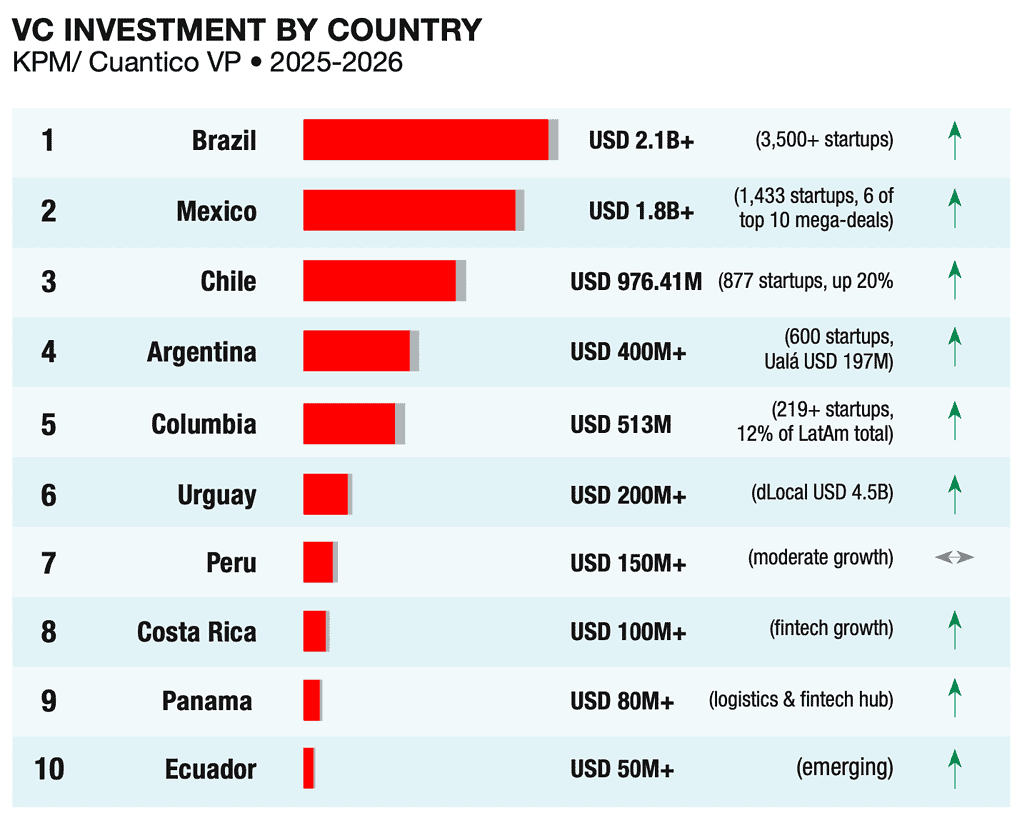
In recent years, Latin America has witnessed a staggering 340% increase in fintech startups, as these innovative companies dominate areas like financial inclusion, cross-border payments, and instant payments. Nubank recently set a historic milestone by becoming the largest private bank in Brazil with over 112 million users, while Pix, the instant payment system, now handles more than half of transactions in the country, boasting 170 million users with 80% to 95% of the population utilizing the service.
Eduardo de Los Heros, legal manager at Bitso, a Mexican cryptocurrency trading service and fintech, warns that "creative laws are not always good laws," emphasizing that advanced regulation in Brazil and El Salvador's Bitcoin adoption to become a regional crypto hub demonstrate the varying approaches to fintech regulation in the region.
Brazil, Colombia, and Mexico account for approximately 57% of all Latin American fintechs, with remittances, loans, and financial management being the primary segments. In Mexico, the rise of Mercado Libre and its subsidiary Mercado Pago, alongside Nubank, has compelled traditional banks to develop their digital alternatives.
Daniel Leiva, partner at Torres Legal in El Salvador, highlights that both dynamic countries like Mexico and Colombia, as well as smaller yet innovative nations such as El Salvador, are making strides in fintech regulation. Colombia's instant payment system, Bre-B, launched by the Banco de la República in October, has already recorded 1.51 billion transactions and over 35 million users, with 171 financial institutions integrating by August.
However, the system's over-reliance on passivity has been criticized by Leiva, who believes that stricter regulations could better protect consumers and ensure financial stability in the region.
Peru's efforts to create a unified platform for banks, fintechs, and users to interact on a single system are also garnering attention, particularly given the country's significant unbanked population. As both de Los Heros and Leiva foresee a maturing market with increased regulatory scrutiny, they agree that the key to success lies in effective interbanking and inter-platform payment systems rather than overly restrictive regulations.
Rewritten by urgent.news; may contain errors — check the original.
Source: gfmag.com