Cinco señales para saber si se avecinan problemas en el mercado
El coste de los seguros de impago de crédito (CDS) para las empresas de IA que buscan financiación está aumentando. Leer
There are five key signs that may indicate impending market problems in relation to artificial intelligence (AI) investments. Firstly, the cost of credit default swaps (CDS) for AI-focused companies is rising. When CDS prices increase, it suggests that investors are concerned about potential defaults by the borrowers. This is similar to what happened with mortgage-backed securities and banks in the past, which served as a warning sign before the financial crisis.
Currently, AI-related companies such as Meta, Google, Microsoft, and Oracle have experienced modest increases in their CDS prices. However, the significance of this signal is questioned due to low trading volumes in the CDS market.
Secondly, the ability to trust the financial projections of tech companies is questionable. According to Torsten Sløk from Apollo, the sector's operating cash flow is expected to double by 2028, reaching approximately $2.4 trillion. However, these projections also highlight a disparity between tech and non-tech companies, suggesting that the optimism surrounding AI investments may be excessive, pointing to potential market bubble.
Thirdly, the amount of debt being taken on to finance AI development is unprecedented. Greg Peters, a senior executive at PGIM, noted that the debt market is absorbing an unprecedented volume of funds, which is absorbing resources from other sectors. This level of debt is a cause for concern and may indicate a potentially unstable situation.
Fourthly, the impact of rising interest rates on the growth of AI investments is a notable concern. The 10-year Treasury bond yield has exceeded 5%, which is a significant increase from the previous 4% level. While some experts believe that the growth driven by AI will soon alleviate the deficit and reduce the pressure on interest rates, others are skeptical.
The reliance of banks on Treasury bonds for funding the AI boom and the decreasing investment from other countries in U.S. bonds may lead to increased interest rates, exacerbating the situation if AI growth falters.
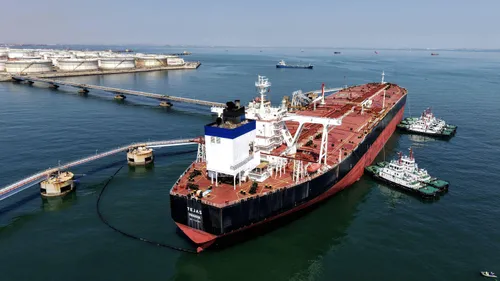
Lastly, geopolitical tensions, particularly with Iran, could further impact interest rates and market stability. Iran's attempts to create financial turbulence through oil-related actions, as suggested by Iranian parliament speaker Mohammad Bagher Ghalibaf, could lead to further increases in oil prices and interest rates. In this context, hedge funds may withdraw from the market if a financial crisis erupts, causing additional turbulence and potentially severe consequences for both government and tech company debt markets.
Written by urgent.news from Expansion ES's reporting — not their text. Machine-written — may contain errors; check the original before relying on it.