China state funds double down on Hua Hong in legacy chip push
Chinese state funds are ramping up support for the country’s second-largest contract chipmaker, pouring billions of yuan into the parent of Hua Hong Grace Semiconductor and a new manufacturing facility to fuel Beijing’s drive for self-reliance in mature-node chips. The capital blitz, spanning Hua Hong’s Shanghai-based parent company and a fabrication plant in Wuxi, highlights how…
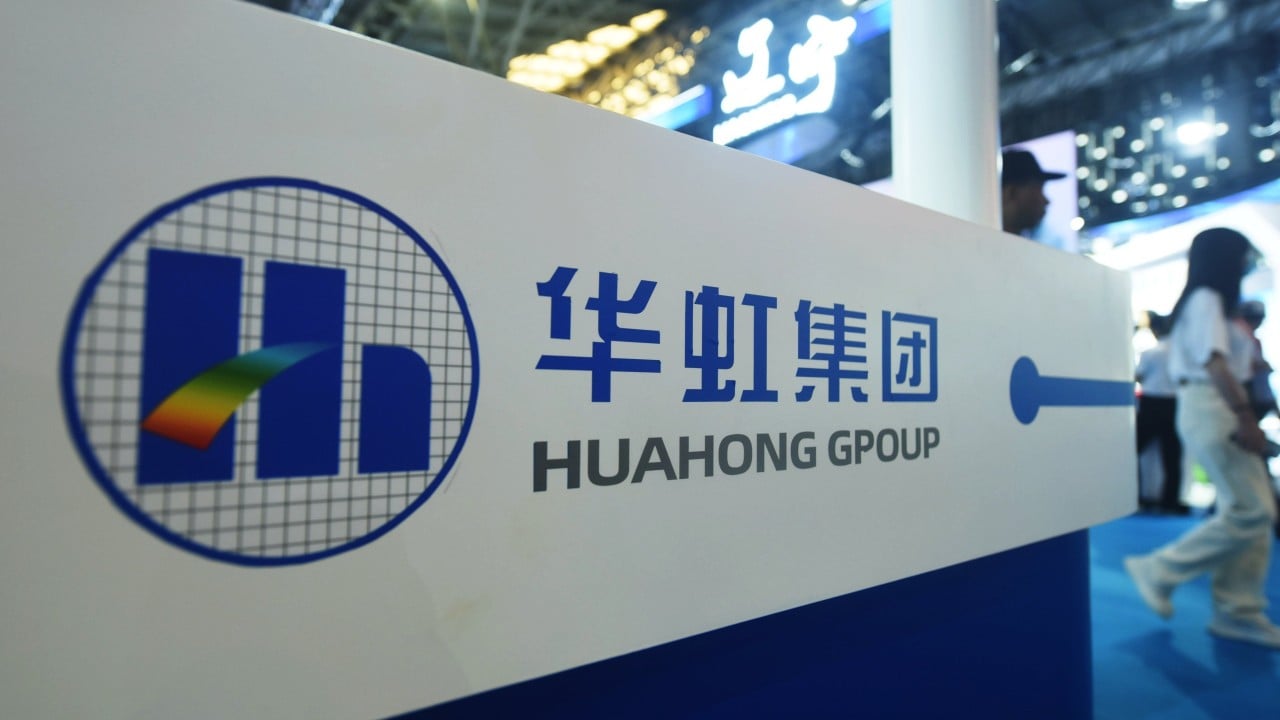
Chinese state funds are intensifying efforts to bolster the country's second-largest contract chipmaker, Hua Hong Grace Semiconductor, with billions of yuan earmarked for the parent company and a new manufacturing site to advance Beijing's strategy for self-sufficiency in sophisticated chips. This substantial financial commitment, spanning Hua Hong's Shanghai-based parent and a fabrication plant in Wuxi, underscores government-led financing aimed at bolstering domestic foundries as the U.S. tightens technology restrictions on China.
Hua Hong Group's registered capital reached 19.7 billion yuan from 13.5 billion, driven by a 6.2 billion yuan injection led by Shanghai Guosheng Group, a state-backed investment fund. Guosheng's stake in Hua Hong surged to 41.7% from 15.3%, while its indirect holding expanded to 10.2% from 3.8%. The Shanghai State-owned Assets Supervision and Administration Commission, the local regulator, contributed 19.7 million yuan, retaining its position as the ultimate actual controller of Hua Hong Group.
Washington's restrictions on advanced chipmaking equipment have propelled Beijing to invest in legacy and mature-node semiconductors, crucial for electric vehicles, industrial automation, Internet of Things devices, and consumer electronics. Hua Hong has intensified investments in its third fab project in Wuxi, a northeastern province of China.
The registered capital of the joint venture managing the fab surged to 4.17 billion yuan from 6.68 million yuan, a nearly 4,000-fold increase, as per Chinese corporate database Tianyancha. Major state investors, including the National Integrated Circuit Industry Investment Fund, joined local government capital in supporting the endeavor.
The Wuxi fabrication plant, named Fab 9B, began construction in March and aims to double Hua Hong's monthly production capacity with 55,000 wafers, boosting overall Wuxi capacity by approximately 30%. Despite facing U.S. export controls, Hua Hong's chairman, Bai Peng, stated that the company did not perceive any impact on its Wuxi project.
Hua Hong's Hong Kong-listed shares declined 1.1% to HK$94.55 on Friday, aligning with the broader decline in Chinese semiconductor stocks.
Written by urgent.news from SCMP Tech's reporting — not their text. Machine-written — may contain errors; check the original before relying on it.
This story
This is one outlet's version. Read the fullest account.