Chick-fil-A is keeping humans at the drive-thru while McDonald’s tests AI ordering and defends a separate pricing algorithm in court
AI could ease restaurant workloads—or create new headaches. The stakes reach from getting orders right to how menu prices are determined.
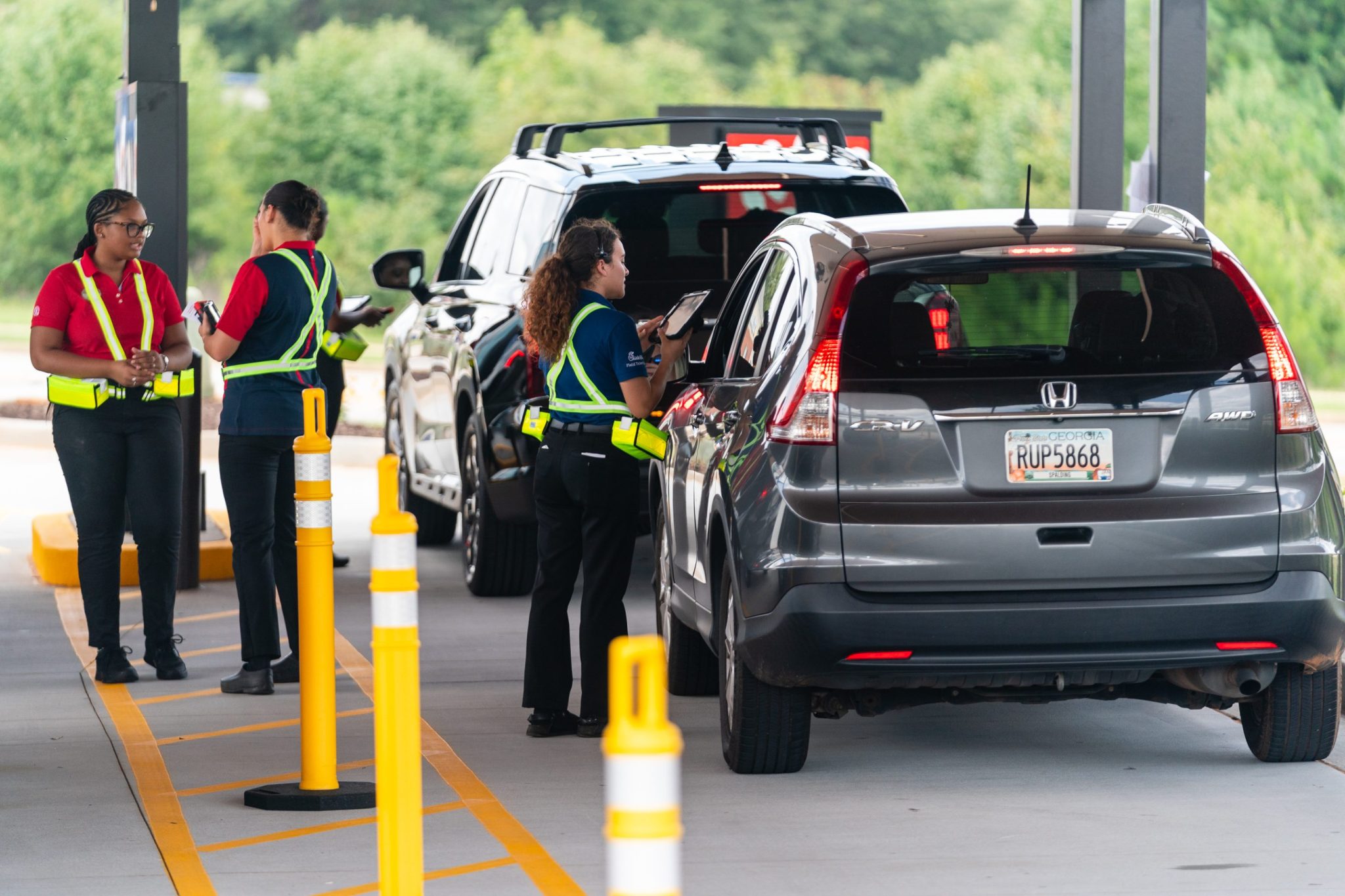
The fast-food industry has long sought to speed up the process of ordering burgers. From digital menus to mobile apps and self-service kiosks, the goal has been to make the process more efficient. Recently, artificial intelligence has joined the race to take over the drive-thru speaker. However, at Chick-fil-A, the familiar greeting of "my pleasure" still needs to be said by a human.
While McDonald's is experimenting with AI-powered voice ordering at their drive-thrus, Chick-fil-A CEO Andrew Cathy has ruled out following suit. The chicken chain believes that some aspects of the fast-food experience are best left to humans, even if technology could make them more efficient.
McDonald's is also defending a separate algorithm in court. A recent lawsuit claims that the company's pricing recommendation system contributed to higher menu prices. McDonald's denies the allegations.
While both technologies are distinct, they highlight the debate over how much control restaurants want to give to AI and the role of human workers. Chick-fil-A's approach to technology, called "human plus," involves using AI behind the scenes without replacing the drive-thru order takers. CEO Andrew Cathy emphasized the importance of human interaction in creating a welcoming environment for customers.
Experts have differing opinions on the impact of AI on restaurant workers. While some believe that automation can eliminate repetitive tasks and make employees' jobs easier, others argue that it may lead to new responsibilities, such as handling customer complaints and troubleshooting systems.
McDonald's is also facing questions about its use of algorithms, specifically whether its pricing recommendation system could lead to reduced competition among its independently operated franchises. A proposed class-action lawsuit alleges that McDonald's shared confidential sales data and a common pricing algorithm with its franchisees, pressuring them to follow the system's recommendations and track deviations.
McDonald's denies these allegations, stating that franchisees independently set their prices and that the company does not set or change prices dynamically.
Written by urgent.news from Fortune's reporting — not their text. Machine-written — may contain errors; check the original before relying on it.