Centre seeks fishers’ views to shape national action plan for sustainable small-scale fisheries
The Union Department of Fisheries is leading the consultation process, with the Bay of Bengal Programme Inter-Governmental Organisation (BOBP-IGO) facilitating and coordinating the exercise.
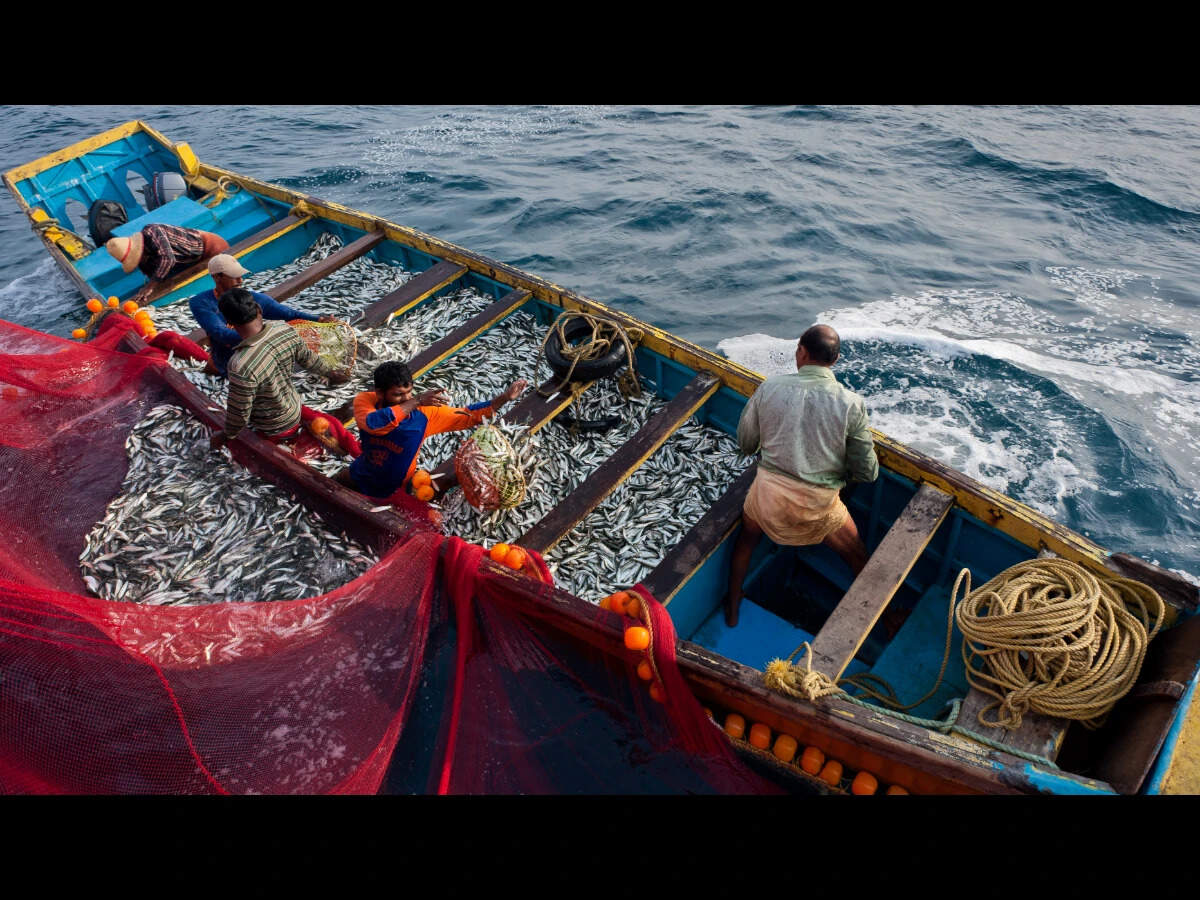
The Indian government is actively seeking the perspectives of fishers to shape the National Plan of Action for Securing Sustainable Small-Scale Fisheries (NPOA-SSF). Community consultations have been held in Kakdwip, West Bengal, and Baleswar, Odisha, with similar events planned across coastal states and Union Territories. The Union Department of Fisheries, along with the Bay of Bengal Programme Inter-Governmental Organisation (BOBP-IGO), is leading the consultation process.
Over 20 one-day consultations are scheduled, and over 14 fisher community and civil society organisations have joined the effort by signing a Letter of Cooperation. The aim is to ensure the NPOA-SSF reflects the concerns and priorities of fishing communities at the grassroots level, considering that about 30 million fishers are tied to the fisheries sector.
The consultations will be conducted in local languages, involving a broad cross-section of fishing communities, and will help shape a policy grounded in the realities of these communities.
Written by urgent.news from The Economic Times - Economy's reporting — not their text. Machine-written — may contain errors; check the original before relying on it.