Carbon Accounting May Be the Most Important Climate Fight You've Never Heard About
A debate around how to measure emissions and who is responsible for each ton of carbon could reshape climate policy as we know it.
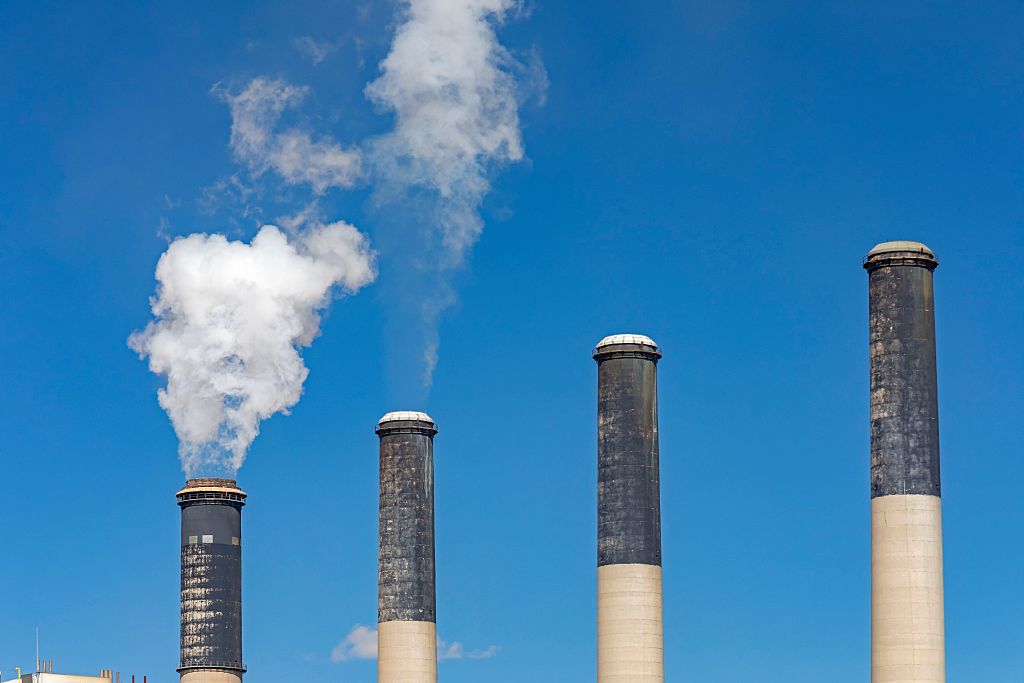
Carbon accounting has the potential to be the most important climate fight that few people have heard about. The question of who is responsible for each ton of carbon emissions is a contested one, and the answer will significantly impact climate regulations, corporate energy purchasing decisions, and overall climate action. A recent report by the Aspen Institute sheds light on the ongoing debate surrounding carbon accounting rules.
The Greenhouse Gas Protocol (GHGP) has been the dominant global standard for over two decades, dividing emissions into three scopes: Scope 1 (direct emissions from a company's own operations), Scope 2 (emissions from purchased electricity, heat, and cooling), and Scope 3 (value chain emissions). While the GHGP has driven a variety of guidance documents and influenced regulation, it is not without its flaws.
A growing number of stakeholders, particularly businesses, are calling for changes to carbon accounting rules. Technical questions, such as the time scale (hourly vs. annual) for matching electricity use with clean energy purchases, and the extent to which carbon accounting relies on estimates rather than true measurements, have sparked debate. More importantly, there is a philosophical disagreement over responsibility in accounting for emissions.
Defenders of the current system argue that Scope 2 and Scope 3 reporting have motivated voluntary corporate action, particularly through the use of power purchase agreements. These agreements help companies predictably source clean electricity, which in turn fuels a boom in long-term renewable power contracts. However, critics point out that the GHGP approach allows for "double-counting," as multiple companies may account for the same emissions under different scopes.
For instance, steel produced by one company, used in a building by another, and owned by a third all contribute to the emissions associated with the building.
An alternative approach, the e-ledger, aims to address these issues by assigning responsibility for emissions based on who uses the product. Under the e-ledger system, emissions travel with the product, and responsibility belongs to the entity that ultimately burns the fuel or uses the product. This approach incentivizes companies to focus on decarbonizing their own operations and provides high-quality emissions data for procurement purposes.
However, implementing an e-ledger system is challenging, as it requires participation from every single player in the value chain.
The Aspen Institute summit, where key players gathered to debate the future of carbon accounting, ended with a ceasefire, but the core debates remain unresolved. GHGP has responded to the criticism by hiring a new CEO and implementing reforms. As climate change loses some of its front-and-center position in the public zeitgeist, companies may be less willing to invest in the resources required for full GHGP compliance.
Written by urgent.news from Time's reporting — not their text. Machine-written — may contain errors; check the original before relying on it.