Can Prolonged Air Pollution Exposure Raise Gynaecological Cancer Risk? Experts Highlight Emerging Evidence
New Delhi, Oct 9: Long-term exposure to air pollution may have a role in the development of gynaecological cancers, Delhi-NCR experts said, citing emerging research on the possible links between PM2.5 exposure, reproductive health and cancers of the female reproductive system. Experts explained that gynaecological cancers do not have a single cause, adding that environmental factors may…
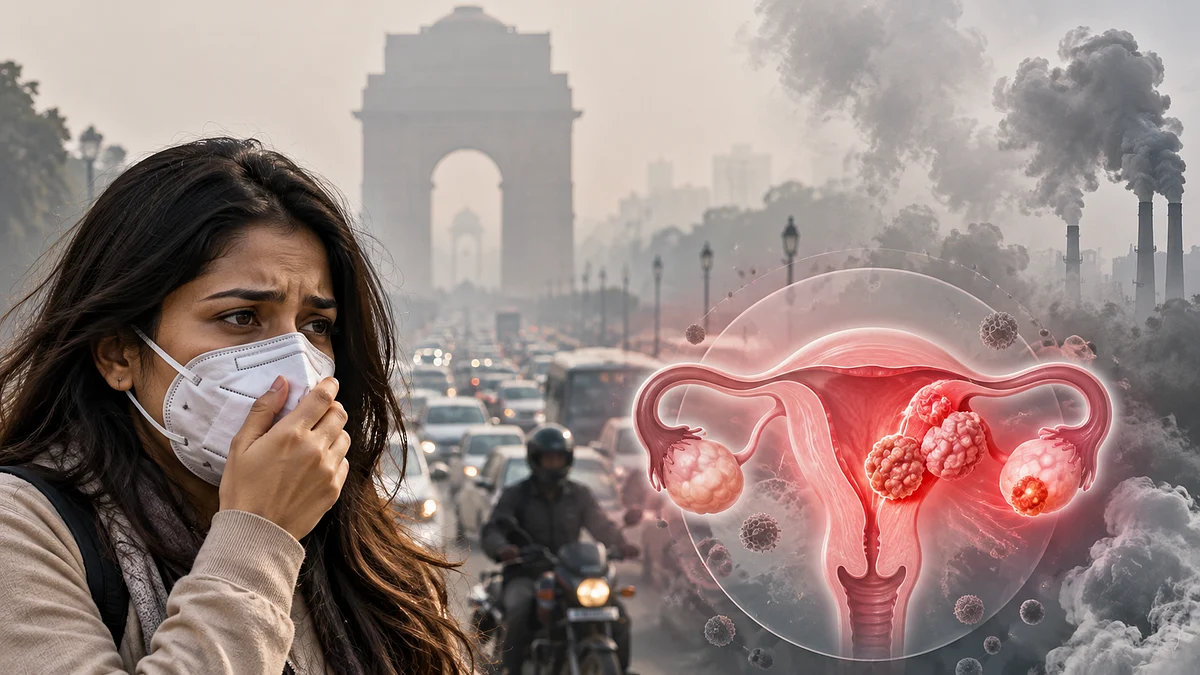
New Delhi, October 9: Long-term exposure to air pollution may play a role in the development of gynaecological cancers, according to experts in the Delhi-NCR region. Recent research suggests a possible link between exposure to fine particulate matter (PM2.5) and reproductive health issues, which could contribute to the development of female reproductive system cancers.
Dr Rama Joshi, a gynaecological oncologist and surgeon, explained that while gynaecological cancers have various causes, environmental factors could also influence the biological processes involved in cancer development. PM2.5 particles, which are of particular concern due to their potential to cause inflammation and oxidative stress, are being studied for their possible impact on cancer risk.
Some studies have reported associations between air pollution and certain aspects of women's reproductive health, but the evidence linking pollution exposure to gynaecological cancers is still evolving and not consistent across studies. More localized data is needed to draw definitive conclusions about causation. Dr Sarath Guttikunda highlighted the complexity of PM2.5, noting that it consists of both primary and secondary particles, and stressed the importance of considering vehicular pollution in the broader regional context.
Dr Virinder Sharma emphasized the need to strengthen in-use emissions monitoring systems to complement traditional periodic checks. Abhishek Kumar pointed out the vulnerability of children to the health impacts of air pollution, while Mahajan Annanya highlighted the importance of considering factors beyond emissions, such as actual exposure and toxicity levels.
Dr Gazala Habib also pointed to the health and climate significance of black carbon and ultrafine particles, noting that while BS VI vehicles have lower emissions, improvements are not uniform across pollutants and vehicle segments. The experts emphasized that while women should focus on well-established risk factors for gynaecological cancers, such as maintaining a healthy weight, staying physically active, managing metabolic conditions, and addressing family history, environmental pollution is an additional concern that requires further investigation.
Rewritten by urgent.news; may contain errors — check the original.
Source: freepressjournal.in