Budget adds RM5bil for SME relief: Bank Negara
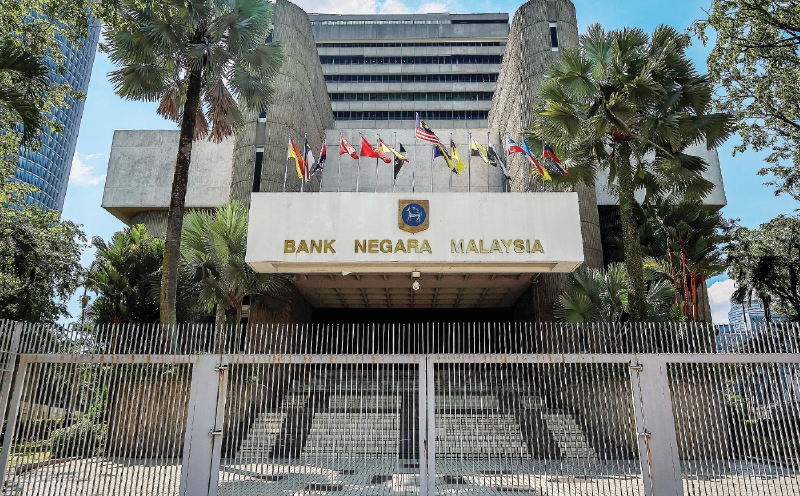
KUALA LUMPUR: An additional RM5 billion allocation for the SME Stabilisation Relief Facility (SME SRF) under 2027 Budget will help businesses maintain operations amid the economic impact of the ongoing Middle East conflict, said Bank Negara Malaysia.
The 2027 Budget in Malaysia has allocated an additional RM5 billion for the SME Stabilisation Relief Facility (SME SRF) to aid businesses facing challenges due to the ongoing Middle East conflict, according to Bank Negara Malaysia. The funding aims to support around 9,000 SMEs, including microenterprises, by providing affordable working capital, helping them manage temporary cash-flow pressures and strengthen their business resilience amidst the economic impact of the conflict.
As of September 30, RM3.8 billion in financing under the initial RM5 billion allocation has already been approved, benefiting over 6,800 SME accounts. The SME SRF will remain accessible to affected SMEs in all economic sectors until June 30, 2027, or until full utilization, whichever comes first. Alongside this, Bank Negara plans to enhance the CAKNA scheme to expand working capital access for small contractors undertaking government projects, ensuring timely completion.
The RM10 nominal stamp duty treatment for CAKNA I and II financing agreements will also be extended until December 31, 2030. Additionally, MediAsas will be rolled out to the public in January 2027, with premiums/contributions for the voluntary medical and health insurance/takaful plan eligible for income tax relief. RM40 million will be allocated to provide MediAsas vouchers for SME employees with fewer than 75 workers to encourage broader protection.
Banks will begin offering basic credit cards in phases from October 2026, with a maximum interest rate of 14% per annum. Bank Negara Governor Datuk Seri Abdul Rasheed Ghaffour emphasized that the 2027 Budget strikes a balance between advancing important reforms and supporting households and businesses amid global uncertainties, with the challenge being to ensure sustained productivity, innovation, and investment alongside rising incomes for sustainable growth and equitable benefits.
Written by urgent.news from New Straits Times's reporting — not their text. Machine-written — may contain errors; check the original before relying on it.