Book vs. Movie: The Biggest Differences on FictionMe
FictionMe is a reading platform for people who live for a good story. It works as an app for iPhone and Android and as a website, and it is free to install. The library leans toward romance, werewolf and vampire tales, billionaire love stories, wedding drama and teen romance. On the App Store it holds […] Book vs. Movie: The Biggest Differences on FictionMe
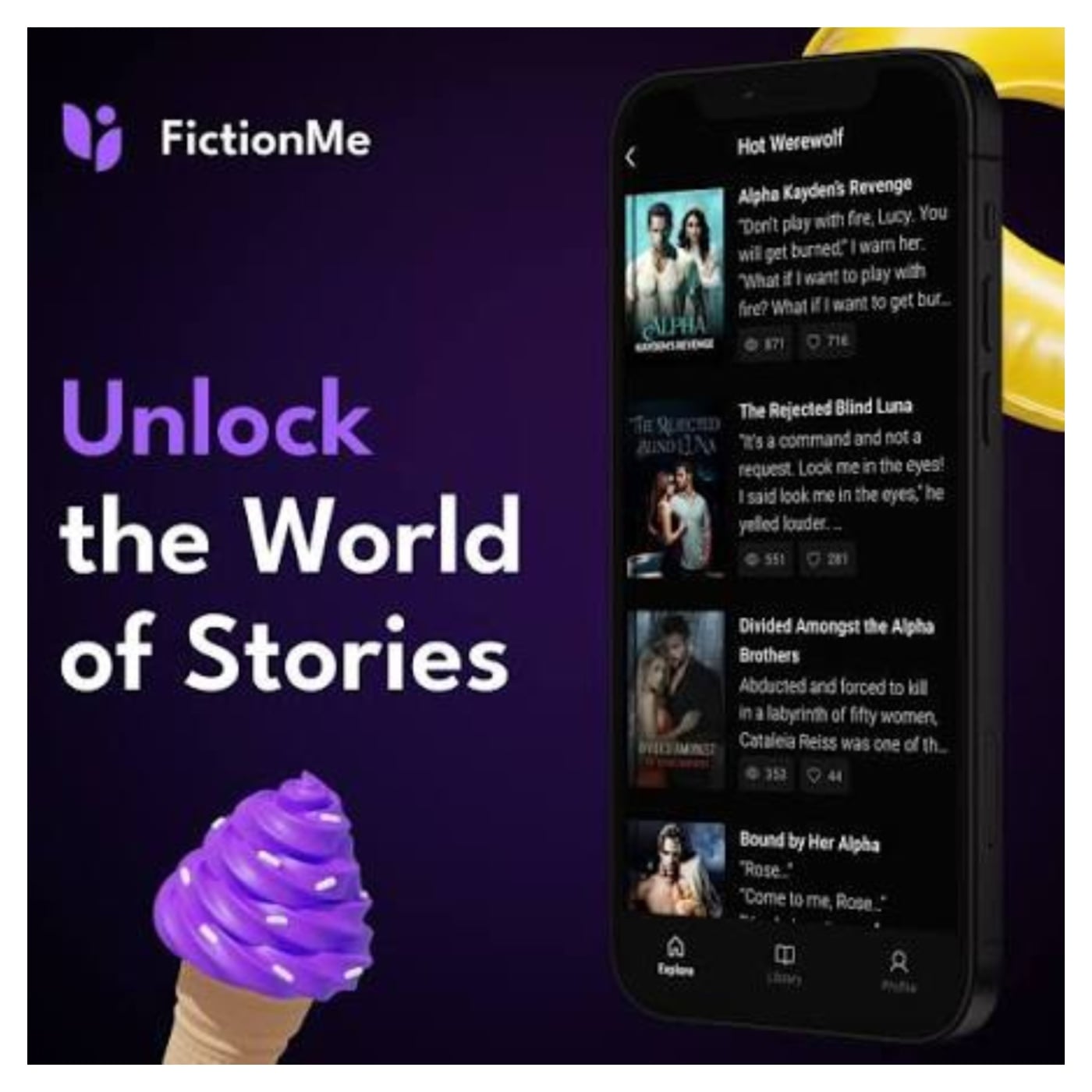
FictionMe is a reading platform for avid readers available on both iPhone and Android, as well as through a website, and it is accessible free of charge. The library primarily focuses on romance, werewolf, vampire, billionaire love stories, wedding drama, and teen romance genres. On the App Store, it boasts a 4.5 out of 5 rating, making it an ideal place to explore the age-old debate about the differences between books and movies using a physical book.
Upon opening the app, users can select a genre and dive into a story within a minute. Online reading is possible at https://fictionme.net/ without the need to hunt through stores or wait for deliveries. Authors publishing on the platform also contribute to the ever-expanding catalog. Some chapters are free, while others can be unlocked through coins or a paid Plus subscription.
It is essential to consider this before binge-reading an entire series at 2 a.m. The store listing also mentions AI-powered novels, which are nonexistent in cinema productions. One of the first differences that readers notice is the time commitment. An average adult silently reads at a rate of approximately 240 words per minute, meaning an 80,000-word novel takes around five and a half hours to read.
In contrast, a feature film typically runs for about two hours. Despite covering the same story, the film version requires significantly less time, and certain elements must inevitably change. Screenwriters often trim subplots, combine characters, and omit entire chapters to fit the film's runtime. In contrast, readers using FictionMe can take their time, reread paragraphs, and continue reading when convenient, even pausing overnight and resuming on a bus journey the next day.
A notable difference between books and movies lies in accessing a character's thoughts. While novels can simply convey a character's inner voice, films must demonstrate emotions through visual cues, such as a glance, a pause, or a change in music. This discrepancy is particularly evident in romance fiction, which heavily relies on inner thoughts.
For instance, in chapter endings, books can leave readers eager to continue, while films typically save such techniques for climactic moments. Additionally, books provide readers with the ability to build an atmosphere from scratch, such as a dark forest for a werewolf story, whereas movies present it pre-built. As for endings, films tend to alter them to appeal to a broader audience.
For example, Chuck Palahniuk's novel Fight Club concludes with the narrator in a psychiatric hospital, while David Fincher's film ends with the protagonist comforting Marla as buildings collapse. A similar situation occurred with Stephen King's The Shining, where the novel includes topiary animals, but the film replaces them with a hedge maze and a frozen Jack.
Changes in character portrayals are also common, as the role of the lead character is predetermined in a film, while readers can envision the characters in their own way on FictionMe. Furthermore, the casting process differs dramatically between books and movies. In a book, the protagonist's appearance is left to the reader's imagination, whereas a film provides one actor's interpretation, leading to ongoing debates among fans.
Lastly, FictionMe allows readers to experience stories in their own unique way, something that cinema cannot replicate despite its large budgets. In conclusion, understanding the differences between books and movies is most effectively accomplished by experiencing them firsthand. FictionMe offers a vast array of stories, ranging from slow-burn romance to supernatural drama, allowing readers to read at their own pace.
By installing the app, selecting a genre, and dedicating a few chapters to reading, one will likely form their own opinion on the book versus movie debate.
Written by urgent.news from Daily Post Nigeria's reporting — not their text. Machine-written — may contain errors; check the original before relying on it.