BoG to introduce Credit Risk Management Directive to curb rising non-performing loans in financial sector
The Bank of Ghana (BoG) has announced plans to issue a Credit Risk Management Directive to strengthen lending practices, improve loan recovery and address rising non-performing loans (NPLs) in the financial sector. Second Deputy Governor Mrs Matilda Asante-Asiedu announced this on Wednesday, October 7, at the commissioning of Advans Ghana Savings and Loans’ new head […]
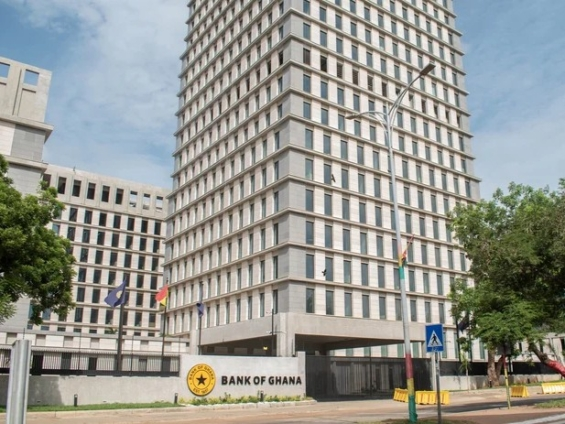
The Bank of Ghana (BoG) is set to implement a Credit Risk Management Directive to tackle the issue of rising non-performing loans (NPLs) in the financial sector. This move was announced by Second Deputy Governor Matilda Asante-Asiedu during the inauguration of Advans Ghana Savings and Loans' new headquarters in Accra. The directive will compel Regulated Financial Institutions (RFIs) to establish robust credit risk management frameworks encompassing credit underwriting, loan administration, risk measurement, monitoring, and recovery processes.
The BoG anticipates that RFIs will reduce their NPL ratios to a maximum of 10% by December 2026. This directive complements the BoG's existing measures aimed at improving asset quality and reinforcing the financial system. The new directive is also part of broader reforms targeting the savings and loans and microfinance sub-sectors, which have been instrumental in providing financial services to underserved populations.
Under the reforms, the current classification system will be replaced by four categories, each with specific mandates. Existing institutions must meet minimum capital requirements of GH¢50 million for Microfinance Banks and GH¢100 million for other categories by December 31, 2026. The BoG emphasizes the importance of collective commitment to compliance, transparency, innovation, and professionalism to ensure the sector's success and the protection of depositors' funds.
Rewritten by urgent.news; may contain errors — check the original.
Source: adomonline.com