Besuch von Maros Sefcovic in Peking: So blickt die chinesische Regierung auf den Handelskonflikt mit der EU
China und die EU verhandeln in Peking derzeit über eine Lösung im Handelsstreit. Während die Europäer bereits mit neuen Massnahmen drohen, sehen chinesische Experten noch Spielraum für Kompromisse.
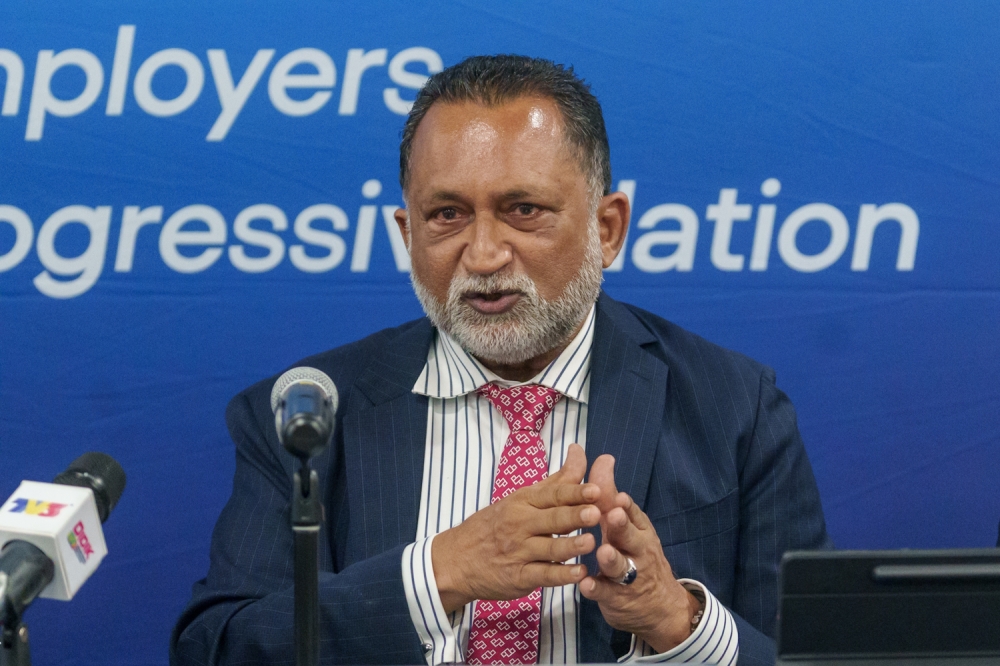
Chinese Commerce Minister Wang Wentao and EU Trade Commissioner Maros Sefcovic are engaged in talks in Beijing to resolve the ongoing trade conflict between China and the European Union. The European side is warning of new measures if a solution is not reached by October, while Chinese experts still see room for compromise. Jian Junbo, director of the Center for Chinese-European Relations at Shanghai's Fudan University, criticized the recent political move from Berlin and Paris as "extremely hostile and one-sided," referring to proposals by German Chancellor Friedrich Merz and French President Emmanuel Macron to give the European Commission new, far-reaching powers to compete with China in trade.
Jian predicts that tighter measures from Europe would provoke a strong response from China. However, he believes a compromise is still possible. The EU aims to create a "coordination mechanism for trade and investment" during the meeting between Sefcovic and Wang, which could help prevent a more severe trade conflict. China's economic growth should not be limited, for example by reducing exports to Europe, Jian emphasized.
In Brussels, there was hope for voluntary restrictions on Chinese exports of hybrid cars, but tariffs were expected as a fallback option. Jian's comments align with a recent statement on CCTV's social media platform, outlining four proposals: a joint monitoring mechanism for trade flows, price commitments in the automotive industry, investment guarantees for Chinese companies in the EU, and more stable expectations for critical goods in exchange for removing EU restrictions on Chinese businesses.
China also criticized the "increasing scrutiny of foreign investment." Chinese experts caution against relying on numerical targets derived from aggregated trade imbalances, as global production chains may shift activities globally. Instead, they advocate for identifying market niches for specialized products and services. However, finding the "right balance" between promoting and restricting products remains a "very, very difficult task," acknowledging the challenge for negotiators.
Written by urgent.news from NZZ Wirtschaft's reporting — not their text. Machine-written — may contain errors; check the original before relying on it.