Bank of Canada says aging population, low immigration ‘reshaping’ economy
In 2025, Canada’s population growth slowed to 0.5 per cent – the slowest rate of growth in more than a century after 150 years of steady growth.
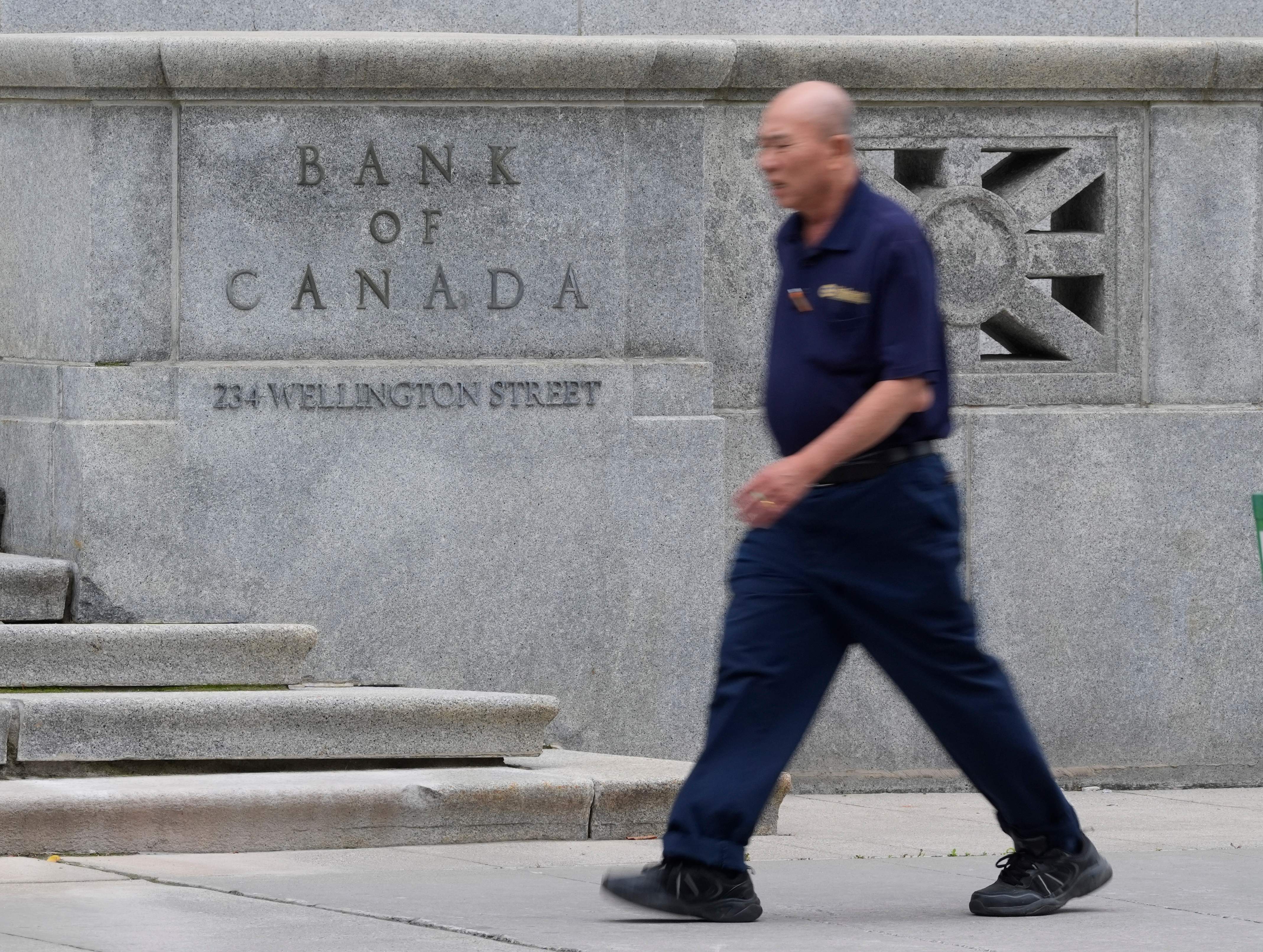
Canada's rapidly aging population and reduced immigration levels are altering its economy, according to a new analysis by the Bank of Canada. While population growth in the early 2020s helped ease labor shortages, it also put pressure on housing and social services. In 2025, growth slowed to 0.5 percent, its slowest rate in over a century, following a 2024 decision to cut immigration levels.
The report predicts that fewer immigrants and an aging workforce will impact the economy's size, consumption patterns, and growth rate. Housing typically responds more slowly to population changes than businesses, potentially lowering housing costs but reducing demand for other goods and services, slowing growth.
An older population will shift the goods and services produced and consumed. As baby boomers retire, demand for travel, pharmaceuticals, adaptive living products, and home care services will increase, potentially raising government spending and taxes. Fewer young workers to replace retirees could lead to labor shortages, higher wages, and inflation.
Despite reduced immigration, Canada's population is aging, with the median age rising from 26 in 1971 to over 40 in 2026. This demographic shift will change the country's economic landscape.
Written by urgent.news from Global News's reporting — not their text. Machine-written — may contain errors; check the original before relying on it.
This story
This is one outlet's version. Read the fullest account.