Association urges stronger radiation protection for emerging technologies
Professor Joseph Amoako, the President of the Ghana Association of Radiation Professionals (GARP), has called for stronger radiation protection systems and the training of competent professionals to safeguard workers, patients and the public from potential risks associated with radiation sources. The post Association urges stronger radiation protection for emerging technologies appeared first on…
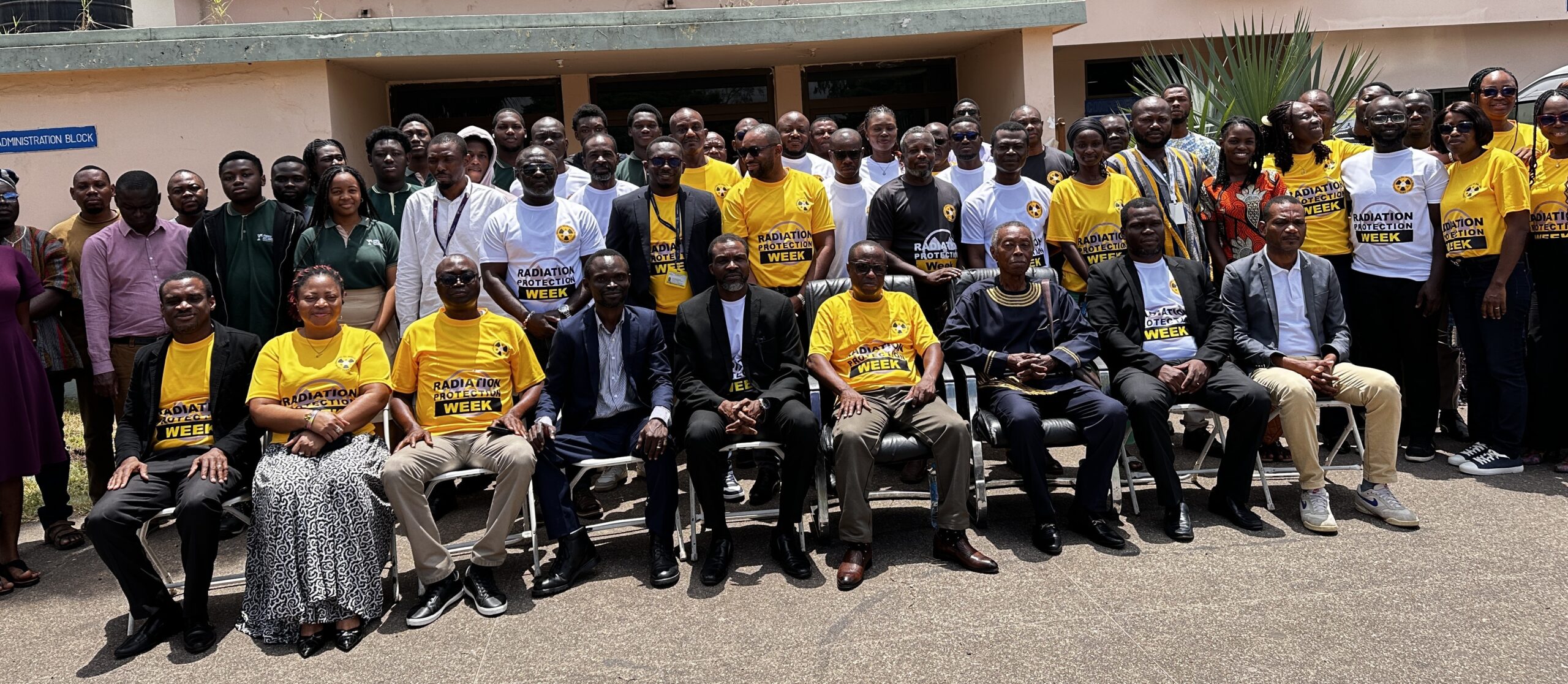
Professor Joseph Amoako, head of the Ghana Association of Radiation Professionals (GARP), has emphasized the need for stronger radiation protection systems and the training of qualified professionals to safeguard individuals from potential risks linked to various radiation sources. These sources encompass healthcare, mining, telecommunications, industry, and research sectors, and require competent personnel, adequate regulation, and appropriate infrastructure.
Speaking at GARP's inaugural Non-Ionizing Radiation Symposium during the 2026 Radiation Protection Week, Amoako clarified that ionizing radiation, which has sufficient energy to impact human cells and DNA, differs from non-ionizing radiation, which generally lacks the same level of energy but can cause heating and other biological effects.
Common sources of non-ionizing radiation include mobile phones, microwave ovens, antennas, visible light, lasers, and Magnetic Resonance Imaging (MRI) devices. GARP stresses the importance of public education grounded in scientific evidence, particularly regarding concerns about mobile phones and other electronic devices and their potential links to cancer and other diseases.
Non-ionizing radiation has various applications in medical technology, electricity generation and transmission, telecommunications, broadcasting, electric vehicles, and internet-based technologies. However, while acknowledging these benefits, Amoako stressed the necessity of accompanying measures to address potential health impacts.
The association advocates for the training of skilled health physics and radiation protection professionals who can work in mining, telecommunications, healthcare facilities, and other relevant areas. Moreover, GARP calls for a robust licensing system to ensure practitioners possess the necessary knowledge and experience to perform their duties safely.
Additionally, a clear and streamlined legal and regulatory framework for the use of radiation sources, both ionizing and non-ionizing, is essential to protect workers, patients, and members of the public from potential exposure. Dr. Roland Yaw Kudozia, Head of Resource Market, Access, and Compliance at the National Communications Authority, echoed these concerns, emphasizing the importance of public education, ongoing testing, and scientific research to address questions about radiofrequency emissions from telecommunications infrastructure and devices.
He explained that mobile phones communicate with base stations through specific portions of the radiofrequency spectrum, and wireless communication relies on radio waves. The NCA collaborates with the Ghana Standards Authority and industry stakeholders to establish common technical standards and ensure that imported mobile phones meet minimum safety specifications.
Dr. Kudozia highlighted the need for continuous research and testing, regardless of existing studies indicating the safety of telecommunications technologies, as the mere confirmation of safety does not preclude the need for ongoing vigilance. He noted that 5G technology offers faster data speeds and increased bandwidth compared to previous generations, enabling quicker internet access and supporting remote work and other data-intensive activities.
Rewritten by urgent.news; may contain errors — check the original.
Source: ghanabusinessnews.com