As a ‘woman victim’, the government let me protest. At Jantar Mantar, it seems afraid
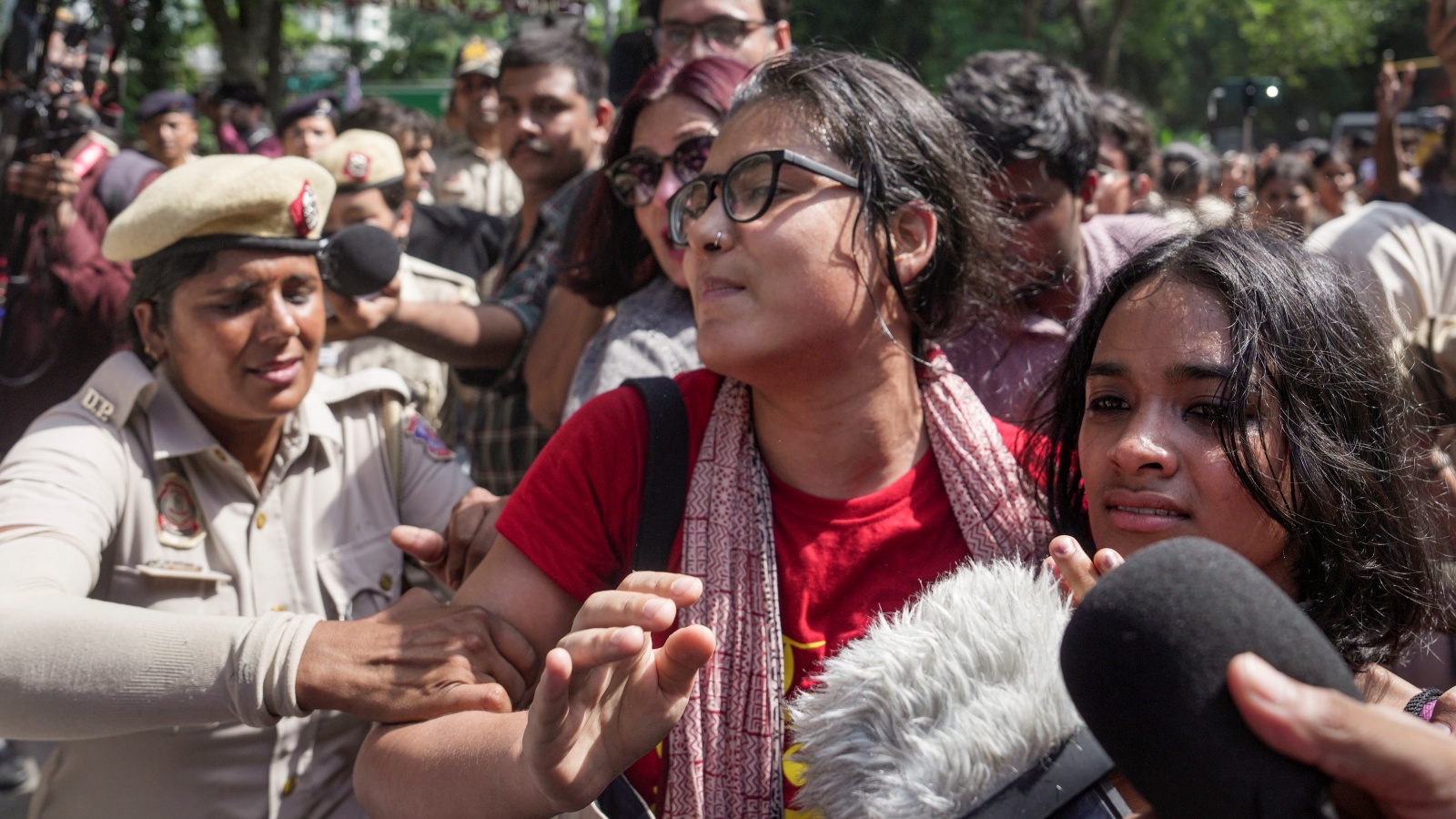
Anjali Spend explores the contrasting ways women protesters are treated by the government, depending on their cause. When women rally against sexual violence, like the Aastha Kunj gangrape, authorities respond with traffic diversion and permissions. However, at Jantar Mantar, where women protest as citizens, the government becomes aggressive.
The government transforms the protest site, deemed inconvenient, into a source of fear and brutality. Women journalists and protesters are sexually assaulted, manhandled, and transported to distant locations under the cover of darkness. This treatment reflects the government's fear of a politically empowered woman, as it challenges the established hierarchy.
The issue of electoral malfeasance, which disproportionately affects women, Dalits, Adivasis, and Muslims, exacerbates the government's unease. When a Dalit, Adivasi, or Muslim woman becomes an active participant in protests, demanding her voting rights or land ownership, the system is put under strain. At Jantar Mantar and nationwide, women are asserting their rights as equal citizens, and this defiance leads to their brutal treatment.
The writer, Anjali Spend, is a postgraduate student at the University of Delhi and a member of AISA.
Written by urgent.news from The Indian Express's reporting — not their text. Machine-written — may contain errors; check the original before relying on it.
This story
This is one outlet's version. Read the fullest account.
- Will join with my family, says Arvind Kejriwal, making appeal for Jantar Mantar mobilisation indianexpress.com
- 'My entire family will go': Kejriwal urges public to join October 10 protest timesofindia.indiatimes.com