Accountability or a witch hunt? Doxxing blurs the line, and it's getting more common
From viral call-outs to crowdsourced sleuthing, exposing someone's identity online can quickly have consequences far beyond the original post. Greater awareness is needed of the harm that can follow when people join in public shaming or online vigilantism.
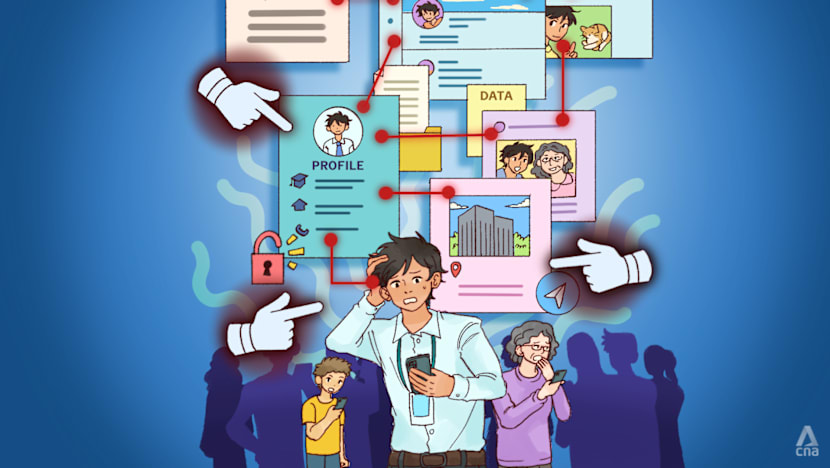
Doxxing, the act of revealing someone's personal information online, has become increasingly common and often blurs the line between accountability and a witch hunt. The expanding reach of social media platforms and the abundance of personal data shared online make it easier for doxxing to occur. While it may be tempting to assume that only those who are tech-savvy are vulnerable to doxxing, anyone can be targeted by an online mob.
The Online Safety Commission (OSC) in Singapore has reported that doxxing is currently the top concern, accounting for 44% of their complaints. Victims range in age from seven to 68 years old, and both men and women have experienced online harms. The OSC defines doxxing as the publication of any identity information of a person that a reasonable person would conclude was intended to cause harassment, alarm, distress, or humiliation. This includes photos, videos, names, contact details, and even information about their family.
In some cases, the person may not have intended to dox another, but others on the internet may unintentionally expose their identity through clues. For example, Ms. Kee, a university student, shared a video with friends and followers about her breakup and alleged infidelity. Despite her efforts to conceal identifying details, people managed to figure out the alleged third party's name and address. The OSC intervened, requiring Ms. Kee to edit or take down the video to avoid doxxing.
Experts agree that existing doxxing laws are sufficient, and the creation of the OSC helps victims seek recourse. However, they also believe that doxxing will continue to be a growing problem due to the tendency of individuals to take grievances online and participate in internet mobs as judge, jury, and executioner.
Written by urgent.news from Channel News Asia's reporting — not their text. Machine-written — may contain errors; check the original before relying on it.