A chemical kept fishmeal from catching fire. Then scientists raised cancer concerns
This article is from Food for Feed, a series investigating the global fishmeal industry. It is produced by the Outlaw Ocean Project, a news organization based in Washington, D.C., and excerpted by Mongabay. On Jan. 8, 1966, a South African ship caught fire at sea. At port in Bristol, in the U.K., firefighters pried open […]
On January 8, 1966, a South African ship caught fire at sea, and the blaze burned for five days at the port in Bristol, U.K. Later, on February 11, a Liberian steamship near Rotterdam suffered a fire that resulted in the sinking of the vessel. On March 19, a Danish ship off Long Beach, California, caught fire, injuring firefighters and killing a longshoreman, causing over $1 million in damages.
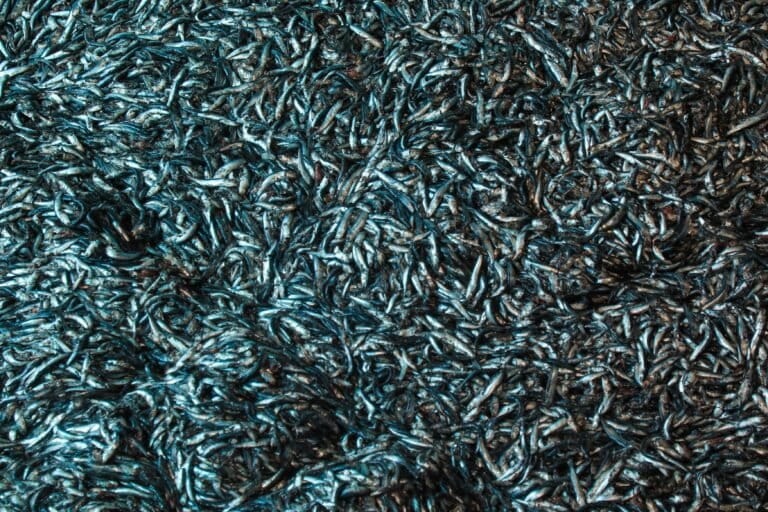
These incidents were not isolated cases; fishmeal powder has been known to spontaneously combust since the 1950s, leading to at least 90 fires on ships and in plants worldwide through the 1970s. Fishmeal, a dark-yellow powder made by drying and pulverizing fish, is essential for aquaculture, including farmed salmon, shrimp, tilapia, and other species.
Written by urgent.news from Mongabay's reporting — not their text. Machine-written — may contain errors; check the original before relying on it.