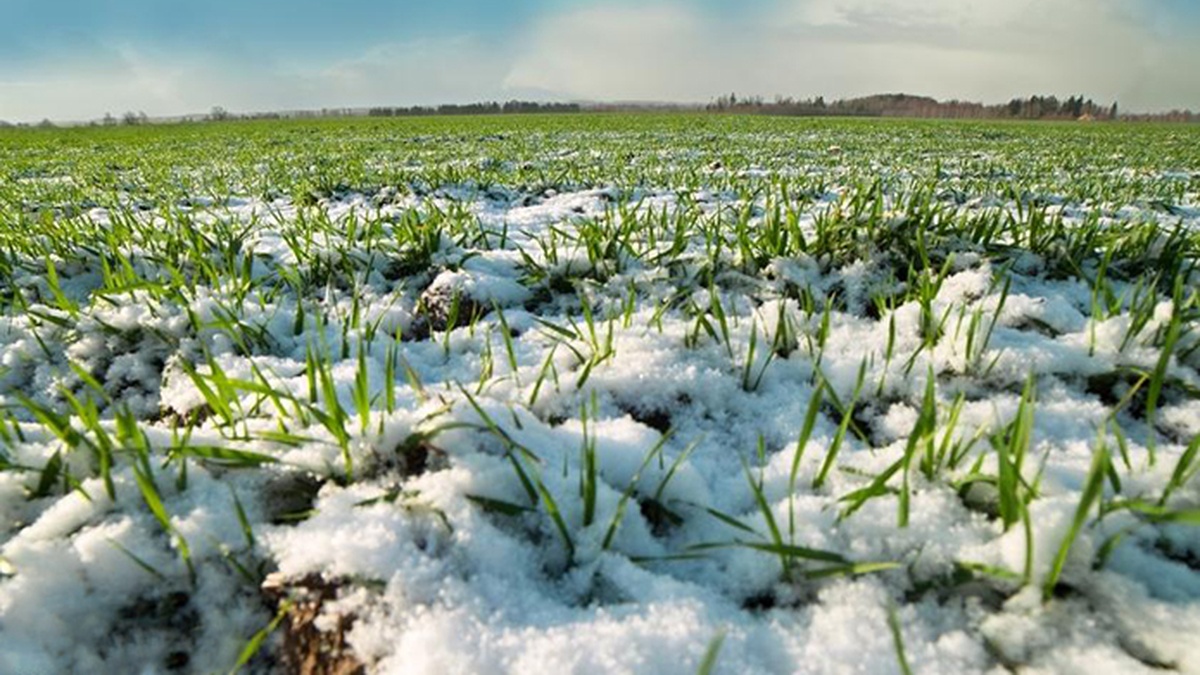
Winter grain sowing in Ukraine reaches nearly 50% of target
As of October 7, Ukrainian farmers had sown 2.52 million hectares with winter grain crops, or 48.4% of the projected area, and 1.041 million hectares with winter rapeseed, or 94.2% of the forecast, the Ministry of Agrarian Policy and Food reported on its website Wednesday.
Ukraine faces a fifth challenging winter amid hostile fire. The greatest threat is not just the loss of electricity and heat, but the ongoing loss of people, businesses, and economic life—foundations vital for recovery. As the chair of Ukraine’s Association of Frontline Cities and Communities, I have identified three interconnected challenges: energy security, economic resilience, and poverty.
Firstly, ensuring infrastructure security is crucial. In Kharkiv, for instance, power and heat outages after Russian attacks can be life-threatening, necessitating rapid local responses. To address this, we are not merely repairing damaged infrastructure but decentralising energy generation, building reserves, and changing our energy system to prevent widespread blackouts. Schools have also been relocated underground for safety, a solution born out of necessity.
Secondly, economic resilience is vital. Cities cannot thrive solely on repaired buildings; they need businesses, jobs, and a population committed to staying. Frontline communities face unique risks, deterring investors and insurers. To remedy this, we must create conditions where businesses can operate despite the risks, offering guarantees, war-risk insurance, and affordable finance to support small and medium-sized enterprises.
Lastly, poverty looms large. The World Bank estimates that 41.6% of Ukraine’s population lived below the national poverty line in 2025, a figure that foretells desperate choices: paying rent or buying medicine, staying in one’s hometown or emigrating. Frontline regions risk depopulation as businesses close and young people seek opportunities elsewhere. To prevent this, it is essential to maintain functioning schools, hospitals, and businesses now, to attract investment post-war.
European support is indispensable. Despite the €920 million provided under the 2026–2027 Winter Energy Plan, Ukraine requires tailored recovery instruments that address security, demographic, and investment pressures unique to frontline territories. Europe must support these areas not just in rebuilding what Russia has destroyed but ensuring viable communities, economies, and future prospects remain intact.
Moreover, as Ukraine moves towards European Union membership, European integration must be experienced locally—through quality public services and transparent management. Our cities should not merely receive aid but actively participate in European integration, taking on the responsibility that comes with it. Another difficult winter awaits, and Russia will likely attempt further attacks on our energy system, economy, and cities.
Written by urgent.news from Euronews's reporting — not their text. Machine-written — may contain errors; check the original before relying on it.
This story
This is one outlet's version. Read the fullest account.