Will AI reverse the renminbi’s rise?
A new wave of AI-driven productivity gains doesn't necessarily mean it will cause the renminbi to appreciate faster.
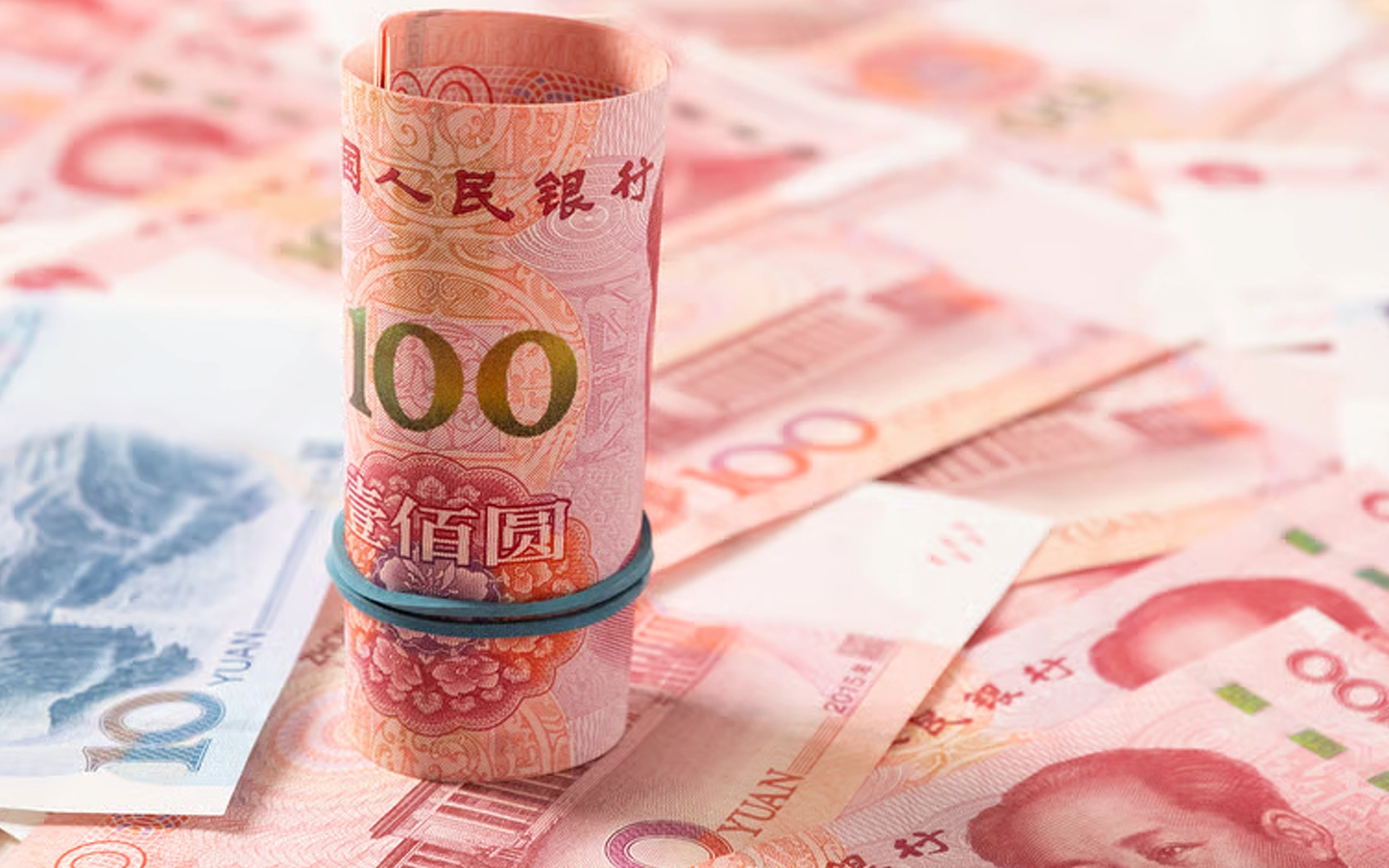
China's renminbi has recently strengthened against the US dollar, sparking debate over how much further it can rise. This increase in value might be linked to productivity gains in China's key sectors like electric vehicles, renewable energy equipment, and shipbuilding. This concept is based on the Balassa-Samuelson effect, which suggests that more productive factories can outcompete in global markets, leading to higher wages and subsequently, higher prices for services.
China has experienced similar currency appreciation trends in the past, such as during the postwar era of Germany and Japan. However, AI technology might not necessarily lead to a faster appreciation of the renminbi. While AI could boost productivity, especially in non-tradable services, it may also lead to lower unit costs due to more efficient service delivery. These services, including healthcare and education, are less likely to see price increases, as they're not easily exportable.
The reverse Balassa-Samuelson effect suggests that as non-tradable services become more efficient due to AI, the relative price of these services may fall instead of rise. This effect could be particularly potent in China, where many sectors like education, healthcare, accommodation, food services, and retail are domestically oriented. Meanwhile, the US tends to have more tradable sectors like finance, information, and professional services.
Productivity gains in China could also increase domestic demand, potentially leading to higher employment and income. Yet, if demand for services is not highly elastic, prices may fall faster than volumes rise, adding to disinflationary pressure and possibly weakening the economy. Policymakers could mitigate these effects by ensuring a more balanced distribution of productivity gains.
Short-term strategies could include exchange-rate flexibility, while long-term solutions could involve opening up services markets, making more services tradable, and enhancing household purchasing power.
Written by urgent.news from Free Malaysia Today's reporting — not their text. Machine-written — may contain errors; check the original before relying on it.
This story
This is one outlet's version. Read the fullest account.
- Will AI reverse the renminbi’s rise? freemalaysiatoday.com