Why are gas prices still high even as traffic improves in the Strait of Hormuz?
Gas prices stand above $4.30, marking an increase of 46% from pre-war levels.
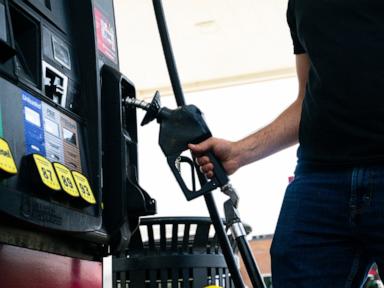
Gas prices remain above $4.30, even though oil exports from the Middle East have improved. Kpler, a private tracking firm, reported that oil supply from the Gulf, excluding Iran, has returned to pre-war levels. About four in every ten barrels of crude now leave the region without passing through the Strait of Hormuz. Meanwhile, tanker traffic in the strait has significantly improved.
Analysts are puzzled by the discrepancy between the improved oil supply and the high gas prices. Dominic Pappalardo, a Morningstar Wealth strategist, noted that lingering disruption in the region has led firms to take costly measures to transport crude, which they pass on to retailers. Oil traders are uncertain about the sustainability of the new Middle Eastern supply, which keeps crude prices higher than the actual flow of oil would suggest.
Investors are concerned about the possibility of a resumption of large-scale fighting or attacks on oil infrastructure in the region. Gas prices typically lag behind reductions in oil prices, as retailers try to protect their profit margins. The U.S., the world's largest oil producer, imports a small amount of crude from the Middle East, but since oil and gas are sold globally, the shortage affects all consumers, including U.S. drivers.
High fuel prices are partly due to the uncertainty about the future of the Iran war. A pipeline in Saudi Arabia, which carries about 5% of global oil supply, temporarily closed due to a Houthi attack but has since resumed operation. However, concerns remain about potential attacks on the pipeline or tankers in the Bab el-Mandeb Strait.
Written by urgent.news from ABC News (US)'s reporting — not their text. Machine-written — may contain errors; check the original before relying on it.
Also reported by 1 other outlet
- Iran reviews US feedback on seven-day plan to reopen Strait of Hormuz qatar-tribune.com