When it is one straw too many for trucking — Chandra Mohan Sinnandavar
OCTOBER 8 — Last week, I had an unpleasant surprise at a petrol station.Driving home to Klang from Kuala Lumpur, m...
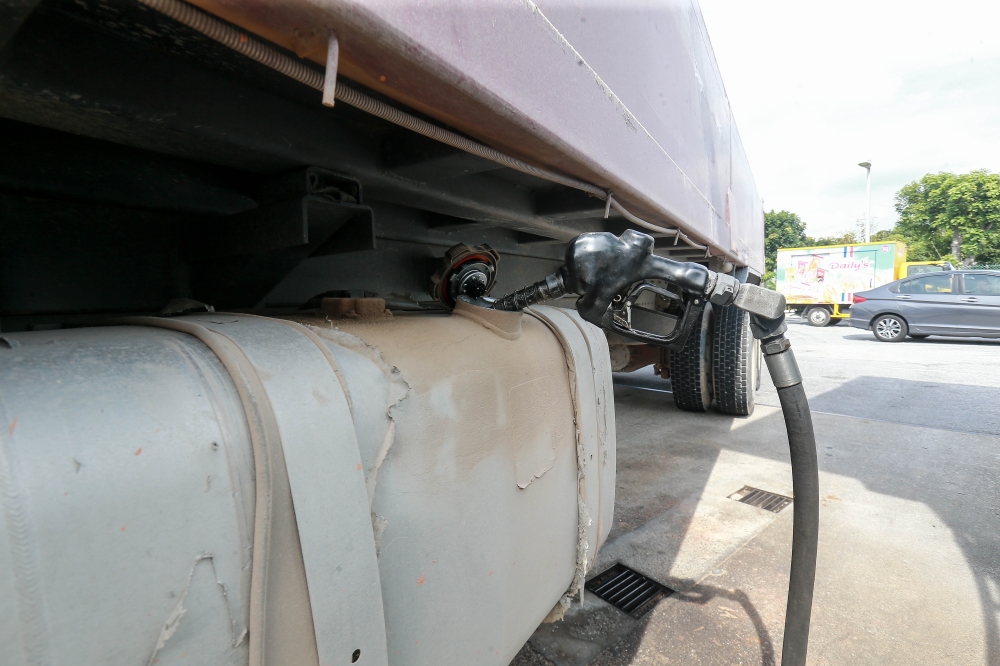
On October 8, journalist Chandra Mohan Sinnandavar shared his thoughts on the challenges faced by the Malaysian trucking industry regarding diesel fuel subsidies. As a truck driver, Sinnandavar understands the importance of subsidised diesel in keeping transportation costs affordable. However, he believes that a vehicle-level, non-transferable diesel quota system may not be the most effective way to control misuse of the subsidy while hindering the smooth operation of the trucking industry.
The Subsidised Diesel Control System (SKDS) already imposes fixed diesel quotas for trucks to prevent leakage, diversion, and resale of subsidised diesel. While the intention behind this control mechanism is clear, Sinnandavar argues that a rigid, non-shareable fuel allocation for individual trucks could have unintended consequences.
Trucking is a complex business, with diverse fleets of trucks having varying ages, capacities, specifications, and fuel efficiencies. This diversity means that a one-size-fits-all approach to diesel allocation may disrupt the efficient movement of goods across different customers, cargo types, and routes.
Sinnandavar suggests that a more practical solution would be to focus on monitoring the total kilometres travelled by a company's fleet over a specified period, such as quarterly. This approach would offer a reasonable estimate of the fuel requirements for the fleet and allow authorities to assess whether subsidised diesel is being used for legitimate operations.
By looking at factors such as total kilometres travelled, fuel consumption, and the types of trucks used, authorities could better determine if misuse of the subsidy is occurring.
Despite the complexities involved, trucks play a crucial role in Malaysia's supply chain, transporting goods that range from food, construction materials, factory inputs, machinery, containers from ports, to export products. With the upcoming third Port Klang terminal on Carey Island set to bolster the country's logistics capacity, it is essential to strike a balance between implementing necessary controls and ensuring that these measures do not hamper the operational efficiency of trucking businesses.
Ultimately, the goal should be to strengthen Malaysia's logistics sector by making it easier, not harder, for SME trucking operators to carry out their duties efficiently.
Written by urgent.news from Malay Mail's reporting — not their text. Machine-written — may contain errors; check the original before relying on it.