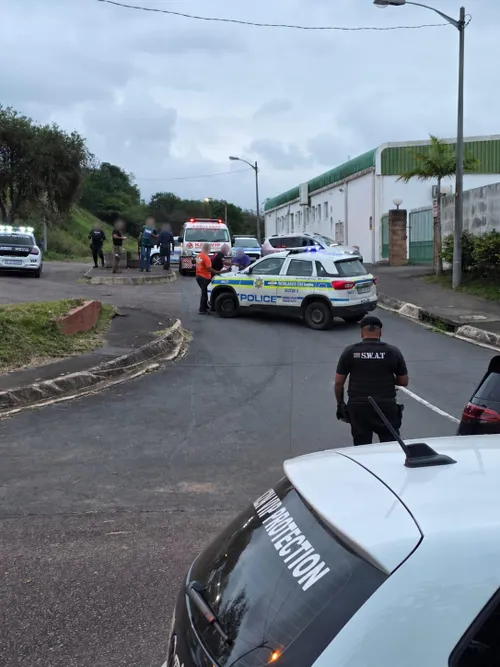
What the law says about armed officers at polling places
What does the law say about armed officials at the polls? That’s one of four questions that a legal scholar answers as Trump administration threats have piled up about voting in the midterms.
The Trump administration's suggestion of sending armed federal officials to polling places during the upcoming midterm elections has raised concerns among civil rights and voter advocacy groups. Danielle Friedman, legal director of the State Democracy Research Initiative at the University of Wisconsin Law School, answers four key questions about the law protecting voters' rights at polling places and the protection of their ballots.
Federal law directly prohibits federal troops or armed officers from appearing at polling places during an election. Other federal laws that generally prohibit voter intimidation may also apply. However, state laws likely also restrict armed officials from being present at polling places, with specific restrictions varying by state. Many states prohibit individuals from carrying firearms near polling locations, which may extend to armed federal officials in the same way it applies to other people.
Local police may be at a polling site in many cases if a local election official has specifically requested their presence. For example, this could happen during an emergency at the polling place. When local police respond to assist, they are generally required to follow the orders of the local election officials upon arrival.
If a voter sees armed officials at a polling place, they should immediately alert the election officials at the polling place. They may also want to document the behavior and provide this information to the election official at the appropriate time.
Voter seizure of ballots is subject to strict state laws regarding the chain of custody of ballots. This chain of custody refers to rules that clearly define who can access ballots before and after each ballot has been cast. The purpose of these rules is to protect the integrity of the election and prevent interference from external actors.
In a recent case in California, a sheriff's seizure of hundreds of thousands of ballots cast in a special election was challenged by voters, who argued that it violated the state's chain of custody rules. The California Supreme Court agreed, and the state's laws further emphasize that seizure of ballots by law enforcement is not an appropriate course of action.
Written by urgent.news from The Conversation's reporting — not their text. Machine-written — may contain errors; check the original before relying on it.