Welthandel wächst: WTO korrigiert Wachstumsaussichten deutlich nach oben
2026 ist das Jahr vieler Krisen und Konflikte. Mit der Straße von Hormus war eine der Lebensadern des Welthandels zeitweise dicht. Doch am Ende sieht die Handels-Bilanz laut WTO überraschend gut aus.
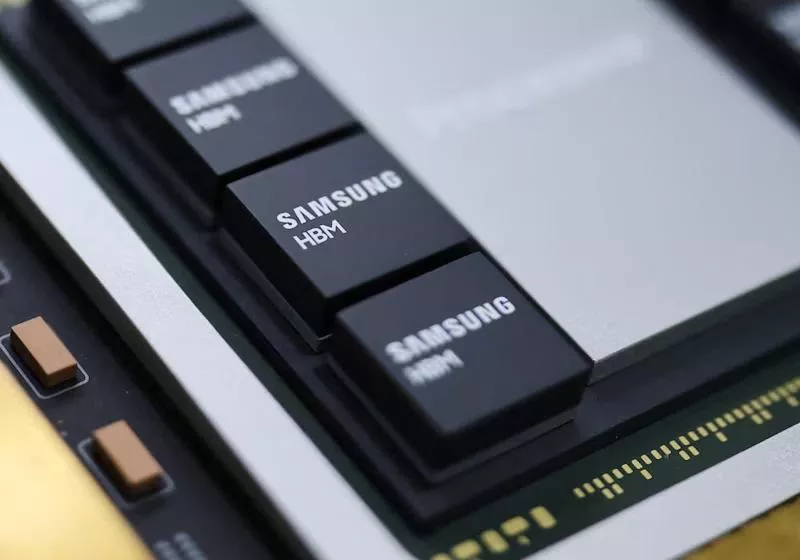
In 2026, global trade grew by 4.6 percent, as reported by the World Trade Organization (WTO). The organization has revised its growth forecast for trade in goods, increasing it from 1.9 percent to 3.9 percent for the same year. The primary driver of this growth is the surge in investments in artificial intelligence (AI), particularly in semiconductor production, data centers, and digital infrastructure.
The WTO attributes the impact of the Middle East conflict on trade to the temporary closure of the Hormuz Strait. However, they believe that the AI boom will more than offset this disruption. Despite the decline in crude oil exports from the Middle East by 24 percent and liquefied natural gas (LNG) exports by 47 percent in the first half of 2026, global exports of these commodities only dropped by 6 percent and 1 percent, respectively, thanks to alternative suppliers. Nitrogen-based fertilizer imports were only 2.8 percent below recent average levels.
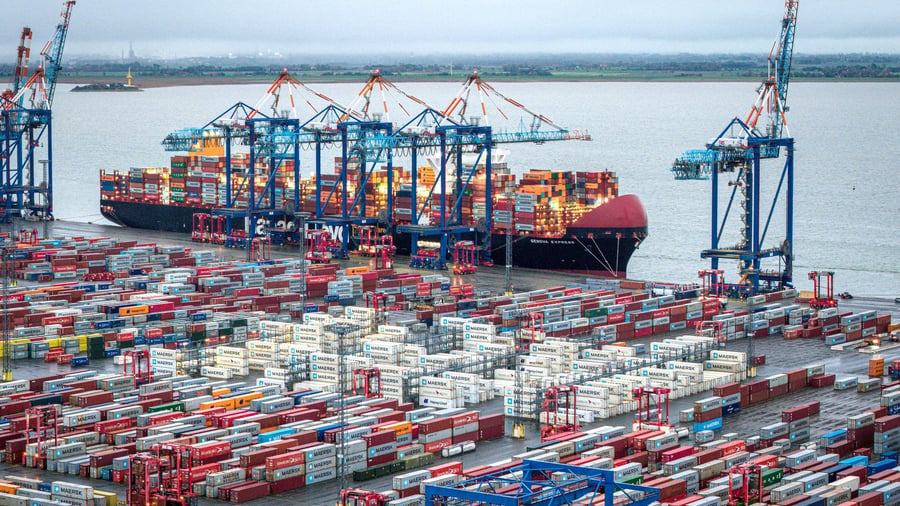
The WTO noted that global trade flows have been rerouted through alternative ports and corridors. Container shipments worldwide increased by 3.9 percent in July compared to the start of the year. However, trade in commercial services has seen weaker growth than expected, primarily due to higher fuel costs, flight restrictions, and geopolitical tensions.
For 2027, WTO expects a 4.1 percent increase in global trade, while Asia is projected to lead with a 9.9 percent growth in goods exports, followed by North America (5.7 percent), Africa (5.6 percent), and South America (3.4 percent). Europe's export growth is expected to remain weak. The WTO warns that risks for 2027 include a possible slowdown in AI investments and persistently high energy prices.
Written by urgent.news from Handelsblatt's reporting — not their text. Machine-written — may contain errors; check the original before relying on it.