UK scientists turn to biology to unlock cleaner lithium
The project aims to separate battery metals using engineered proteins with precisely controlled pores.
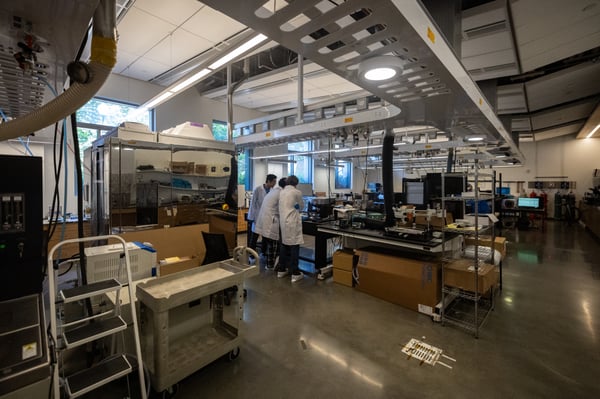
A £6.2 million research project at the University of Birmingham aims to harness biology to create more efficient lithium extraction methods. The three-year initiative, funded by the UK's Advanced Research and Invention Agency, targets the separation of lithium from sodium for battery manufacturing. Dr. Dominik Kubicki, the project's leader, believes biology can create precise materials beyond current manufacturing methods.
The project will use S-layer proteins to construct highly ordered membranes with uniform pores that can differentiate between lithium and sodium ions. If successful, the technology could be applied to critical-mineral recovery, water treatment, and other manufacturing sectors. The consortium, including Aston University and industrial partners, will employ computational protein design, structural biology, and high-throughput screening.
Scaling challenges remain, but the team hopes to develop a manufacturing platform for highly selective separation materials.
Written by urgent.news from Mining.com's reporting — not their text. Machine-written — may contain errors; check the original before relying on it.