UK police accept ex-prince Andrew search warrants must be ‘legally quashed’
British police on Thursday said that search warrants they secured to search properties linked to Andrew Mountbatten-Windsor had been issued unlawfully and must be quashed, but that the investigation into King Charles’ younger brother was ongoing. Mountbatten-Windsor, 66, was arrested on suspicion of misconduct in public office in February, linked to his relationship with the late US sex offender…

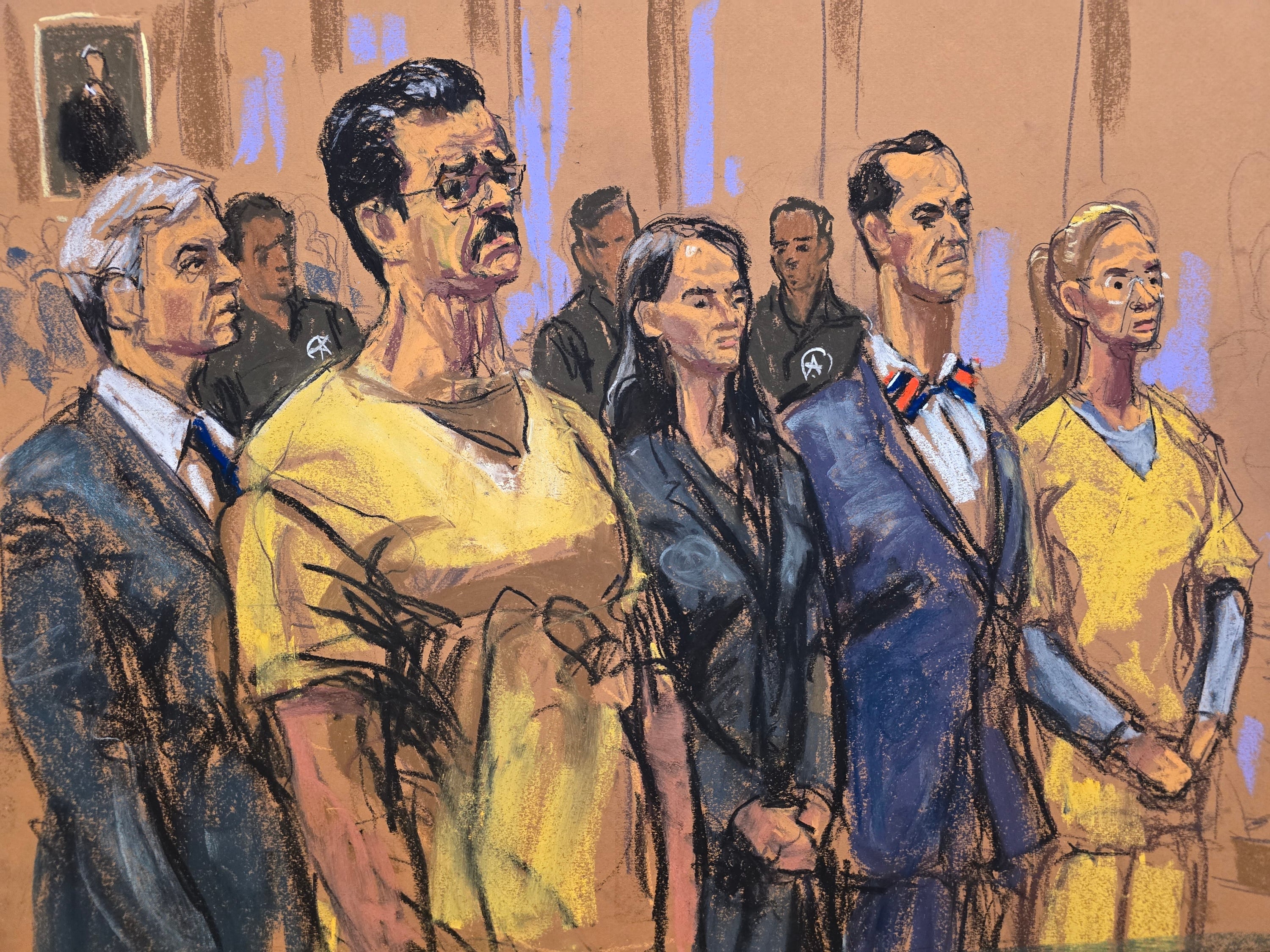
Former Prince Andrew secured a legal victory in the UK after police admitted the warrants used to search his royal residences were "unlawful," a High Court judge revealed on Thursday. The judge, Nicholas Hilliard, stated that the unlawful warrants do not automatically end the investigation or render the entire operation invalid. However, the court will eventually decide whether police can continue to hold the items seized during the raids, with both the judge and the police stressing the investigation remains active.
Prince Andrew, King Charles III's brother, was arrested on his 66th birthday in February on suspicion of misconduct in public office linked to his associations with late US sex offender Jeffrey Epstein. Police conducted searches at his former homes in Windsor and Sandringham, but Andrew later challenged the legality of the warrants. This marks the first instance in British history where a member of the royal family has contested the lawfulness of criminal proceedings against them since the trial of Charles I in 1649.
The Daily Telegraph first reported the legal challenge on Sunday. In the first detailed public disclosures on the matter, High Court Judge Nicholas Hilliard disclosed that Thames Valley Police agreed the search warrants were unlawful. However, he added that the quashing of the warrants does not conclude the investigation or imply the whole process was unlawful.
Thames Valley Police acknowledged the warrant issuance was incorrect, but added that legal proceedings are ongoing to determine how the seized materials will be managed and whether they can be retained lawfully in support of the ongoing investigation. The arrest and searches have been a significant blow for Andrew, who was stripped of his royal titles and ousted from his Windsor home over Epstein connections.
The government has even considered passing a law to remove him from the line of succession. The scandal involving Andrew has deepened since a former victim claimed in posthumous memoirs that she was trafficked three times to have sex with him when she was a teenager. Andrew has consistently denied these allegations, settling a US civil lawsuit in 2022 brought by the accuser while not admitting liability.
The Thames Valley Police investigation follows new revelations from US documents, including emails that appeared to show Andrew sharing potentially confidential information with Epstein.
Written by urgent.news from Gulf News's reporting — not their text. Machine-written — may contain errors; check the original before relying on it.
This story
This is one outlet's version. Read the fullest account.
- UK police agree searches for ex-prince Andrew’s homes ‘unlawful’: Judge gulfnews.com
- Police used unlawful warrants in former Prince Andrew property seizure, U.K. judge says globalnews.ca
- Police accept Andrew Mountbatten-Windsor search warrants were unlawful, court hears bbc.co.uk
- Ex-prince Andrew search warrants quashed after UK police accept legal error dawn.com
- Search warrants for former prince Andrew's homes were unlawful, UK court rules france24.com
- British police admit they bungled search warrant in legal win for former prince Andrew cbc.ca
- Search warrants for Andrew's properties unlawful - court rte.ie
- Breaking: Andrew Mountbatten-Windsor wins court battle to have police search warrants quashed abc.net.au