UK and Germany team up against Russian cyberattacks as Brexit rethink looms
Security pact promises information-sharing and coordinated disruption, but offers little detail on agencies or funding
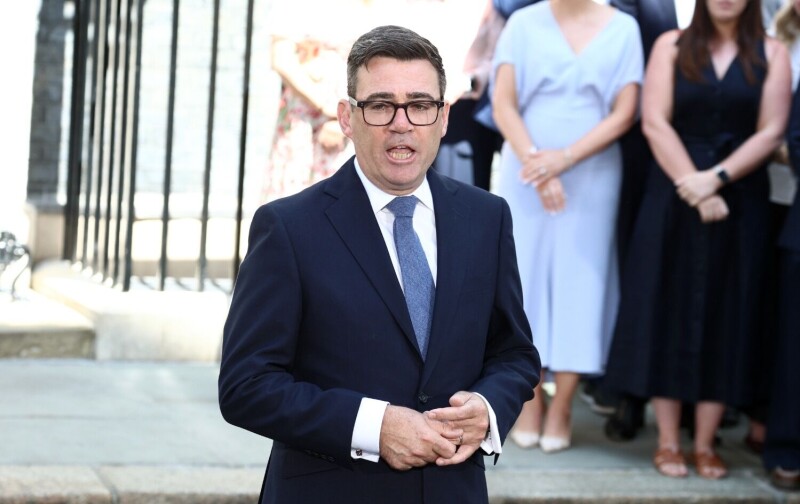
Britain and Germany have joined forces to combat cyberattacks and sabotage, particularly from Russia, as Prime Minister Andy Burnham travels to Berlin for discussions. The agreement, revealed Thursday, involves sharing information and coordinating actions to detect, prevent, and counter hostile activities, which may target critical infrastructure.
The announcement precedes Burnham's initial meeting with German Chancellor Friedrich Merz, where security measures won't be the sole topic. Burnham also plans to discuss Britain's ties with the EU, potentially including a return to the bloc.
The Financial Times reports Burnham seeks Germany's support for bolstering economic ties before a UK-EU summit on November 20. Both governments are concerned about Russia's propensity for cyberattacks, sabotage, and other operations that don't constitute full-blown military conflict. Burnham emphasized that such attacks are not distant threats but reach into people's homes and workplaces, weakening and dividing nations.
This partnership expands on the Kensington Treaty, signed in July 2025 and ratified on Thursday, which already committed the countries to collaborate more closely on defense, cybersecurity, technology, and economic security. The deal, however, lacks specifics on operational aspects, such as naming agencies, allocating extra funding, or detailing how the countries will counter hostile actions.
The agreement arrives amid stern warnings from European intelligence agencies about Moscow's activities. German foreign intelligence chief Martin Jaeger cautioned that the conflict with Russia has entered a more dangerous phase, and German authorities have attributed a drone attack attempt at Leipzig airport in August to Moscow.
Britain has been revisiting its strategies to counter hostile states, fast-tracking legislation to empower the Home Secretary to identify state-backed organizations and proxy groups, and appointing Burnham to establish a National Centre for Information Defence to counter foreign disinformation campaigns.
Written by urgent.news from The Register Science's reporting — not their text. Machine-written — may contain errors; check the original before relying on it.