Toronto Zoo sees drop in 2026 visitors due to wildfire smoke, extreme heat
Wildfire smoke along with extreme heat in July is the main culprit, as it depressed visits for the first three weeks of what is a crucial month for the zoo to welcome visitors.
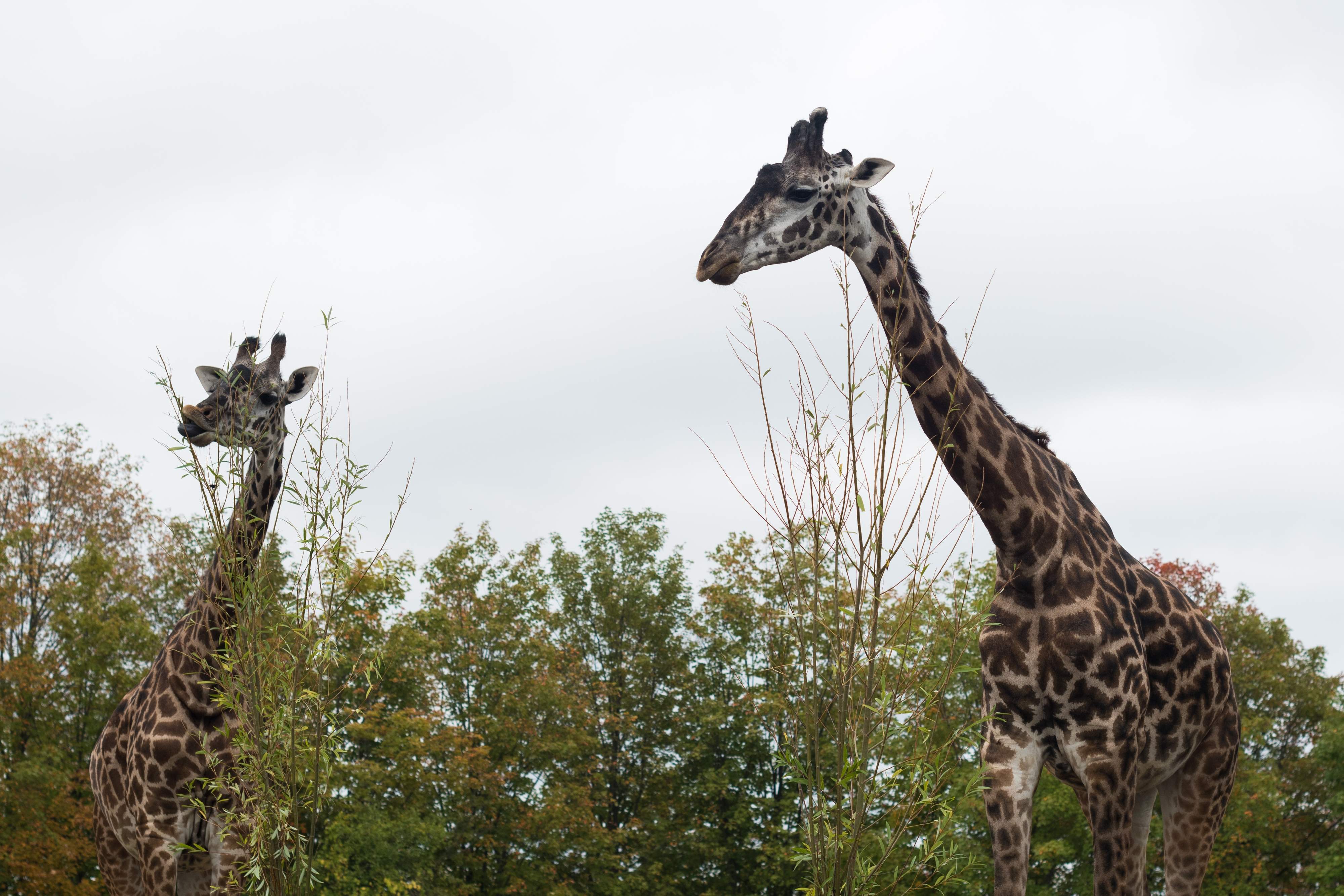
The Toronto Zoo experienced a decline in visitor numbers in 2026 due to adverse weather conditions fueled by climate change, according to a report submitted to the city. Wildfire smoke and extreme heat in July were the primary reasons for the dip, affecting the first three weeks of the crucial month for visitor turnout, said Jamie Austin, the zoo's chief transformation officer.
"When there are advisories for people to avoid outdoor activities, a trip to the zoo is simply not on their list," he explained. In mid-July, smoke from fires in northern Ontario turned the sky orange and led to one of the worst air quality days in the city, causing visitor figures to fall 14% below targets. By the end of September, 1,095,286 people had visited the zoo, which was 9% below the predicted target.
The City of Toronto warns that Canada is warming at twice the global average, leading to increased extreme heat, intense storms, heavy rainfall, and associated infrastructure damage. These factors, along with the ongoing climate change, are prompting the zoo to undertake significant preparations for resilience against climate change.
The first few months of 2026 also saw a cold, snowy winter and a cool, rainy spring, both of which deterred extended outdoor visits. However, September saw a 13% increase in visitors compared to the predicted numbers, indicating a strong October ahead. Events like the Glow in the Wild lantern festival are drawing visitors. Still, the zoo is actively working on making itself a year-round attraction, not just dependent on the summer season.
The zoo has numerous indoor spaces, but the outdoor trails and pavilions on its Rouge National Urban Park campus expose guests to the elements. Climate change was a concern when examining the drop in 2025 attendance, which was also below the 2024 figure. Zoo CEO Dolf DeJong attributed the decline to heat waves and an ice storm in November of that year.
Long-term, the zoo plans to enhance its resilience for both animals and visitors through cooling and warming stations, increased shading, and shelter. For now, Austin encourages residents to visit the zoo this fall, especially with the addition of new animals, including a baby wombat, and enjoy the pleasant weather and vibrant fall colors.
Written by urgent.news from Global News's reporting — not their text. Machine-written — may contain errors; check the original before relying on it.
This story
This is one outlet's version. Read the fullest account.