Today: Regierung unter Druck – wackeln die Reformen? | Renditeschwäche deutscher Konzerne
Die Regierungskoalition droht zwischen den politischen Rändern zerrieben zu werden. Und: Warum große deutsche Unternehmen mehr Umsatz machen, aber nicht profitabler werden.
Germany's coalition partners are putting pressure on the government to push through crucial reforms in the fall, specifically regarding pensions, care, and healthcare. This comes as the political landscape becomes increasingly divided between the right and left wings. In Saxony-Anhalt, AfD politician Tobias Rausch became the first Landtagspräsident elected by the party in the country's history.
The party's state association is labeled as "right-extremist" by the state's constitutional protection office. Meanwhile, in Berlin, the Left party could potentially enter the city's Rathaus, describing itself as "radical" and facing accusations of antisemitism from parts of its state association. The SPD and Union are now blaming each other for allegedly aligning with these extreme factions.
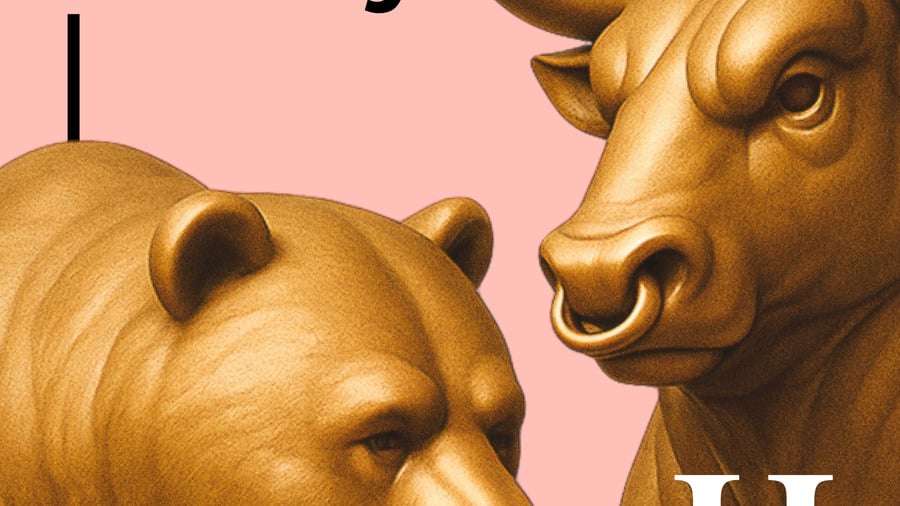
Adding to the tension is the relatively weak performance of Germany's major corporations, such as BASF, Siemens, Adidas, and others. Although their revenues are growing, few have become more profitable than five years ago. As their US competitors continue to outperform, the upcoming restructuring looms. The "dangerously weak yields" of BASF, Siemens, Adidas, and other companies are moderated by Leila Al-Serori from Handelsblatt's politics team.
Written by urgent.news from Handelsblatt's reporting — not their text. Machine-written — may contain errors; check the original before relying on it.