To Understand France’s Unrest, Look Back to 1982
François Mitterrand’s U-turn decades ago holds lessons for today.
To grasp the unrest in France, it is vital to trace back to 1982. In May 1981, France elected François Mitterrand as president, granting the Socialist Party a mandate to transform the economy. They raised wages, lowered the retirement age, shortened the workweek, and extended vacations. The government took control of banks and nationalized some leading industrial companies.
However, just a year later, Mitterrand abruptly reversed course, cutting public spending, raising taxes, freezing prices, and restoring the finance ministry's control over inflation. This shift was a stark contrast to the initial reformist wave.
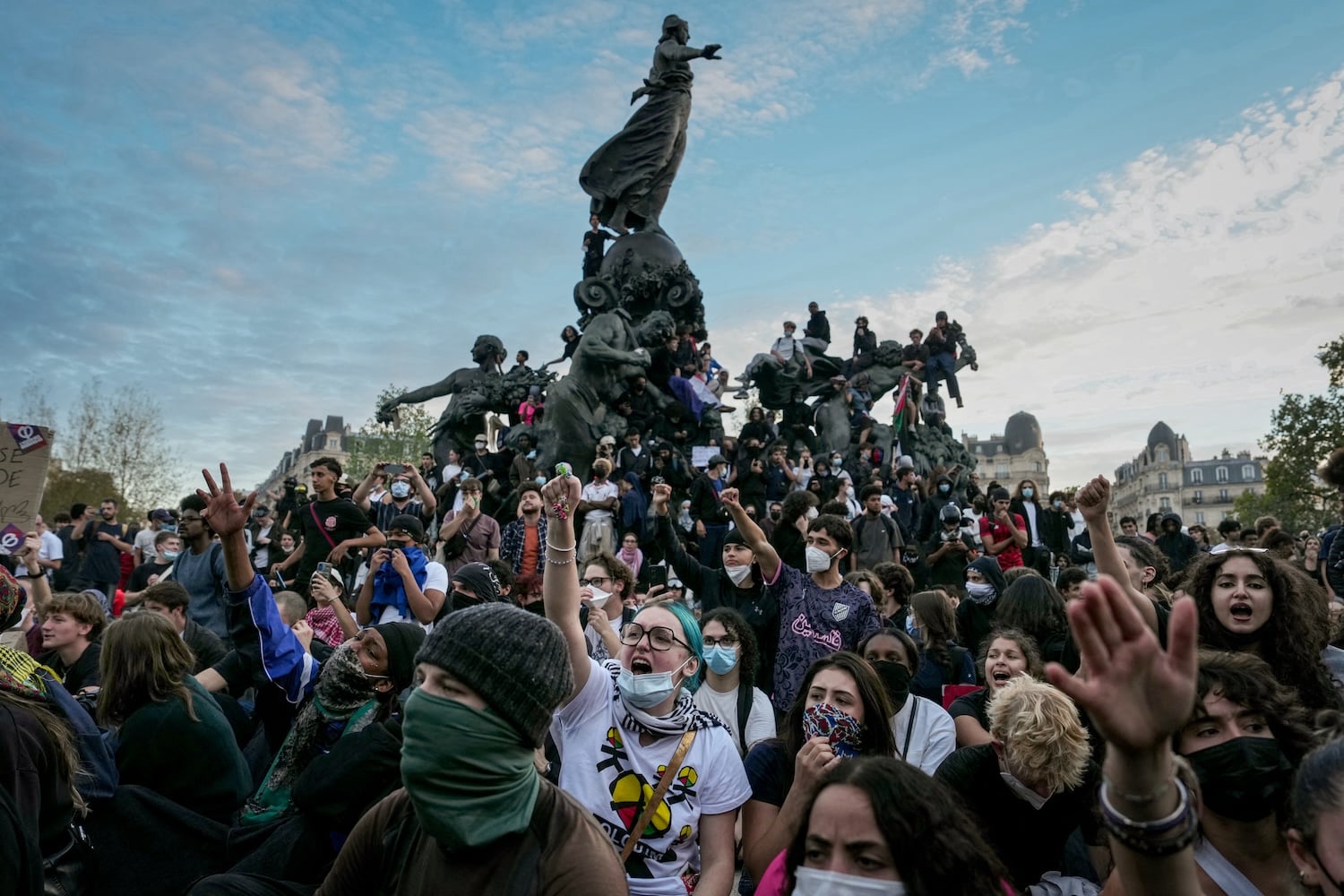
Reflecting on this historical moment provides crucial insight into today's social and political turmoil in France. Many Western countries, including France, are grappling with crisis and rising populism. In late September, Paris and other French cities witnessed some of the most extensive protests in recent memory. High school students led these demonstrations, fueled by grievances about underinvestment in education, deteriorating public schools, and growing educational inequality.
France's current predicament mirrors those of other European nations like Britain and Germany. Their challenges stem from an inability to adapt to new psychological and economic realities in the 21st century. While once buoyed by strong ties to the United States and favorable demographics, Europe now faces challenges such as a slowdown in U.S. economic growth, lower birth rates, and increased anti-immigrant sentiment.
Mitterrand's initial reforms were ambitious but ultimately thwarted by financial market pressures, the threat of wealthy taxpayers fleeing to avoid taxation, and concerns about the stability of France's currency, the franc. Despite the merits of his proposals, France lacked the resources to implement sweeping changes independently.
Today, France's president, Emmanuel Macron, a centrist, has not pursued the radical reforms of Mitterrand. As his term nears its end, Macron's goals have centered on maintaining the welfare state and preserving France's image as a middle power within Europe. However, Macron faces significant constraints, including the highest public debt levels in the industrialized world at 119 percent of GDP.
Europe's increased integration also limits France's policy options, leaving little room for independent action.
Written by urgent.news from Foreign Policy's reporting — not their text. Machine-written — may contain errors; check the original before relying on it.