The State of AI in Drug Discovery
GEN ’s virtual summit returns on November 4 to examine how AI is reshaping R&D timelines and real-world patient translation. From big pharma to AI-natives, this year’s program features the leaders of many of today’s outstanding companies and organizations powering the AI revolution! The post The State of AI in Drug Discovery appeared first on GEN - Genetic Engineering and Biotechnology News .
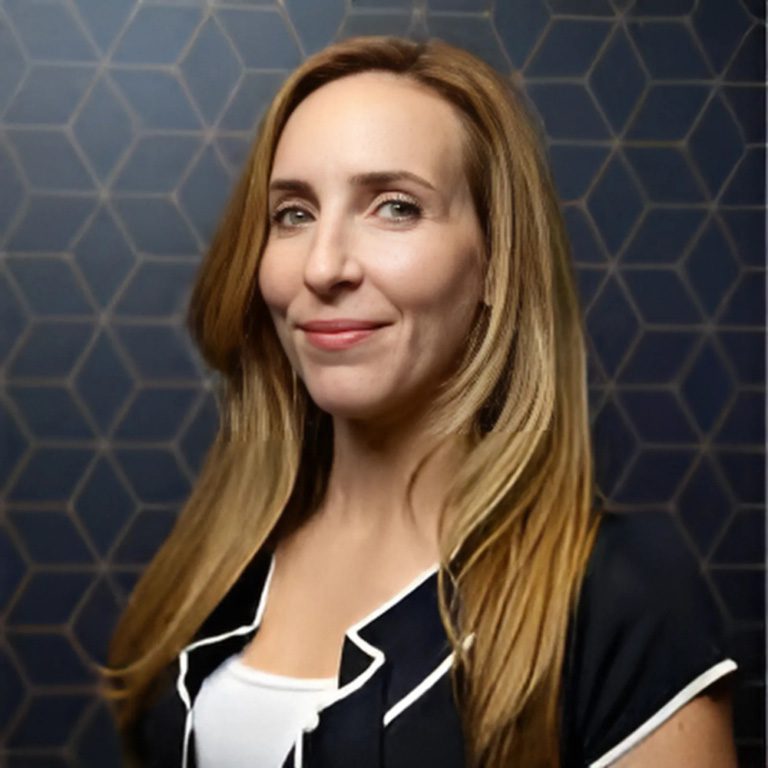
The article titled "The State of AI in Drug Discovery" discusses the role of artificial intelligence in revolutionizing the pharmaceutical industry. The article features three experts in the field: Aliza Apple, PhD, Vice President of Catalyze360 AI/ML at Eli Lilly; Sam Rodriques, PhD, Co-Founder, Director, and CEO of Edison Scientific and FutureHouse; and Peyton Greenside, PhD, Co-Founder and CEO of BigHat Biosciences.
Aliza Apple, PhD, discusses her experience leading Lilly's external-facing AI/ML efforts for drug discovery. She highlights the importance of strategic planning and the successful launch of Lilly's AI/ML initiatives. Sam Rodriques, PhD, speaks about his work in developing technologies for transcriptomics, brain mapping, and gene therapy.
He emphasizes the potential of AI in speeding up research in biology and complex sciences. Peyton Greenside, PhD, shares her vision for BigHat Biosciences and the role of AI in accelerating scientific progress. The article also touches upon the challenges and opportunities that AI presents in the drug discovery process, as well as the need for further research and development in this field.
Written by urgent.news from GEN Biotechnology's reporting — not their text. Machine-written — may contain errors; check the original before relying on it.