The OLED Burn-In Test: 30-Month Update
After 30 months and 8,000 hours of deliberate abuse, our 4K QD-OLED monitor has measurable burn-in , lower peak brightness, and visible wear. Here's how bad it looks in daily use. Read Entire Article
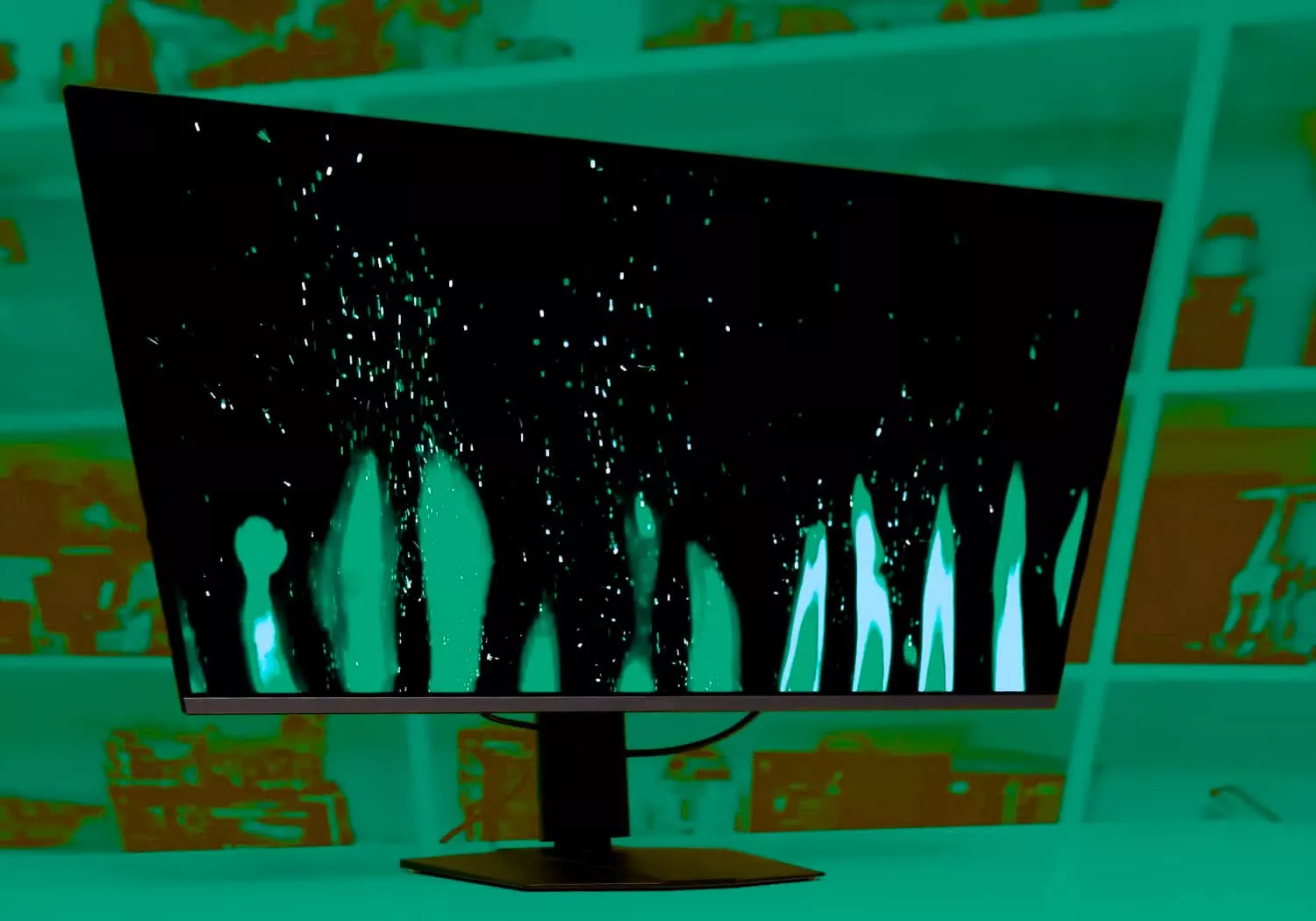
After a two and a half year effort, the 4K QD-OLED monitor remains in use by the reporter, who has been purposely burning in the display for scientific purposes. This ultra-demanding test simulates the effects of prolonged static use and provides a realistic view of what could potentially happen to an OLED display over time. The process involves exclusively using the monitor for productivity work, such as web browsing, document editing, and creative applications like Photoshop and Premiere.
Starting from two years ago, the reporter made the switch from a conventional 4K IPS LCD monitor to the new 4K QD-OLED panel, maintaining the same setup without any modifications. Consequently, the OLED monitor was subjected to eight to ten hours of static content each day, running at around 200 nits of brightness. This equates to approximately 8,000 hours of usage, as of the latest update.
The primary focus of the ongoing test is the center of the screen, where burn-in is most noticeable. Throughout the process, a consistent image-processing method has been employed to make the burn-in artifacts more visible, including adding static noise to the uncompressed images. This methodology facilitates the observation of changes in uniformity, enabling a closer examination of the screen's degradation.
The main artifact under observation is the central line running down the screen, which corresponds to the border between applications when employing a side-by-side layout. This is technically referred to as inverse burn-in, as the brighter application windows on either side of the line degrade the display. The line itself remains darker during normal use, resulting in a lighter appearance compared to the surrounding areas.
After 30 months, the line is clearly observable on uniform dark gray content, although it does not appear to be accelerating in its visibility over time.
Another noticeable artifact is the taskbar, which has also experienced inverse burn-in due to the reporter using a dark taskbar with light-mode applications. Despite being visible for the majority of the 8,000 hours, the taskbar burn-in remains relatively faint. Once enabled, the burn-in enhancement filter accentuates these differences, making them more evident in the images.
Overall, the OLED monitor has maintained a relatively stable burn-in appearance, with the center line and taskbar showing steady progress over the past 30 months. However, it's important to note that this testing method is not recommended for regular use, as the aim is to gather scientific data on OLED durability rather than to replicate everyday usage patterns.
Written by urgent.news from TechSpot's reporting — not their text. Machine-written — may contain errors; check the original before relying on it.