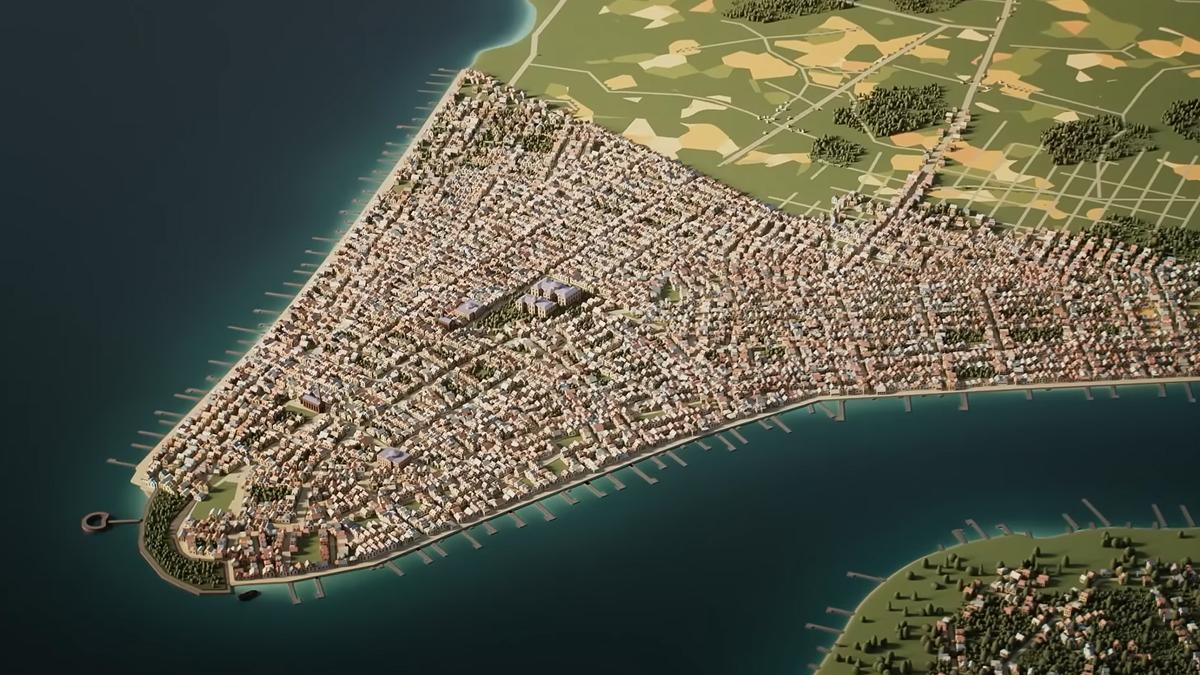
The ghetto on the lagoon
Sixteenth-century Venice wanted to expel its Jews but couldn’t do without them. Its compromise was the world’s first ghetto - by Alexander Lee Read on Aeon
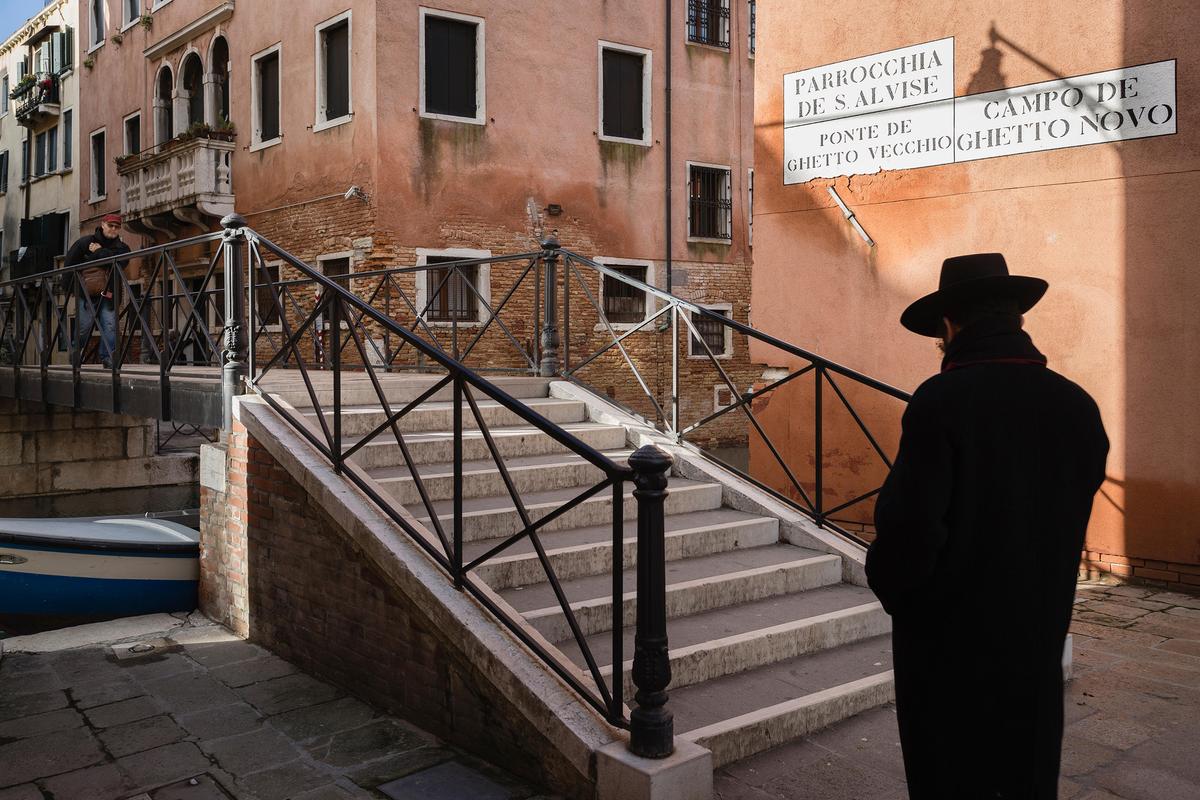
The world's first 'ghetto' was established in Venice in 1516 after the Venetian Senate ordered all Jews living in the city to move to a small island in the northeastern sestiere of Cannaregio. This area, previously used as a dumping ground for the communal copper foundry, was converted into a residential quarter for local workers.
Doors and windows were blocked up, extra walls were built, and four guards patrolled the canals around the Ghetto day and night to ensure compliance. The name 'ghetto' was derived from the verb gettare, meaning 'to throw' or 'cast', and referred to a local foundry. Ironically, the name stuck, and the word 'ghetto' soon came to describe any form of Jewish segregation, marginalization, or confinement.
In the centuries that followed, other Jewish quarters were referred to as 'ghettos' in different cities, including Rome and Florence. After Jewish segregation was abolished in Italy, the term expanded to describe any forms of confinement or marginalization, even on a broader level like poverty and precarity of migrant groups or instances of genocide.
The 'ghetto' phenomenon in Venice was born out of a need to balance religious prejudice with economic necessity, resulting from the arrival of German Jews in Venice in the late 14th century, who were forced to flee their homes due to persecution and found refuge and success in Venice's commercial environment as money-lenders.
Written by urgent.news from Aeon's reporting — not their text. Machine-written — may contain errors; check the original before relying on it.