The 'Gate of Tears' at the centre of Houthis' latest battle for control
The Bab el-Mandeb Strait has become a "lifeline" for global trade. But in the battle between Saudi-backed Yemeni forces and the Houthis, it's even more important.
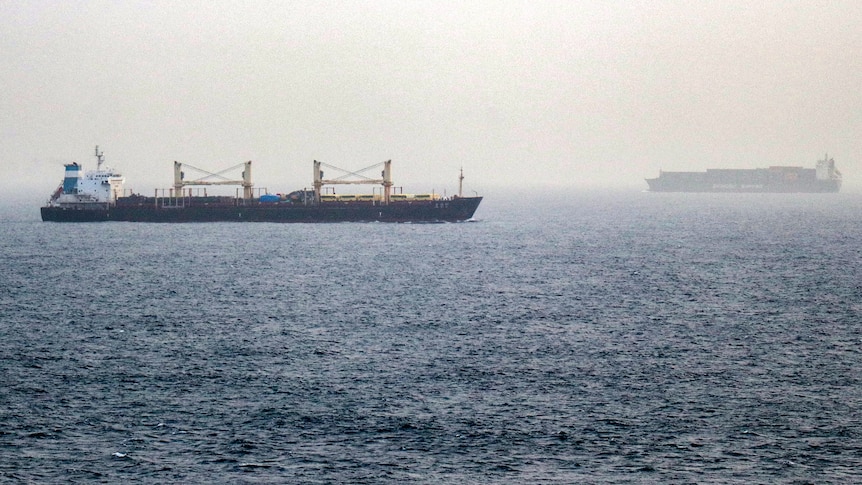
The Gate of Tears, also known as Bab el-Mandeb Strait, is currently at the center of a fierce battle between the Iranian-backed Houthis and Saudi-backed Yemeni forces. This strait, a crucial trading route, connects the Red Sea to the Gulf of Aden and the Arabian Sea. Located at the southern tip of the Red Sea, it is flanked by Yemen, Djibouti, and Eritrea.
The strait is approximately 29 kilometers wide, allowing only two channels for shipping traffic, making it a vital link for global trade, particularly for Australia, which relies on it for approximately 9% of its oil demand.
Houthi forces seized the port cities of Mocha and Perim in September, aiming to control the strait. In response, Saudi-backed forces have recaptured Mocha and launched a counteroffensive. The conflict, which has escalated since the Iran war in February, has resulted in over 200,000 people fleeing their homes and at least 150,000 deaths since the civil war began in 2015. The United Nations estimates that the war has pushed 5 million people to the brink of famine.
The strait, once a choke point, has become a lifeline for global shipping, with 3.42 million barrels of Saudi oil flowing through it as of June. The renewed conflict could severely impact Australia's oil supply and lead to higher prices. If the fighting escalates and the strait is closed, ships would have to take a much longer route around South Africa, resulting in increased transportation costs and potential shortages.
Written by urgent.news from ABC News AU's reporting — not their text. Machine-written — may contain errors; check the original before relying on it.