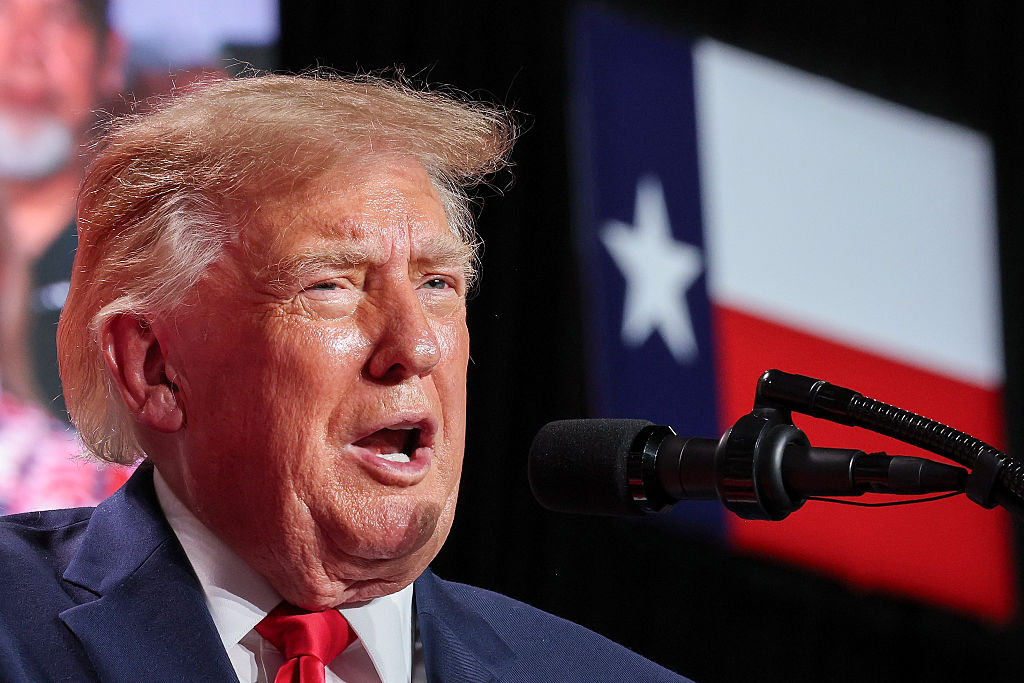
The ‘G2’ illusion? After Xi-Trump summit, China wants equality while the US seeks deals
Washington and Beijing may have signed an agreement built around “reciprocity”. But a more consequential question remains unresolved: does it mean equal status for Beijing? Countries without a seat at the table are watching that ambiguity closely. The spectacle of Chinese President Xi Jinping’s state visit to Washington – the tarmac greeting, the flyovers, the state dinner – has been interpreted…
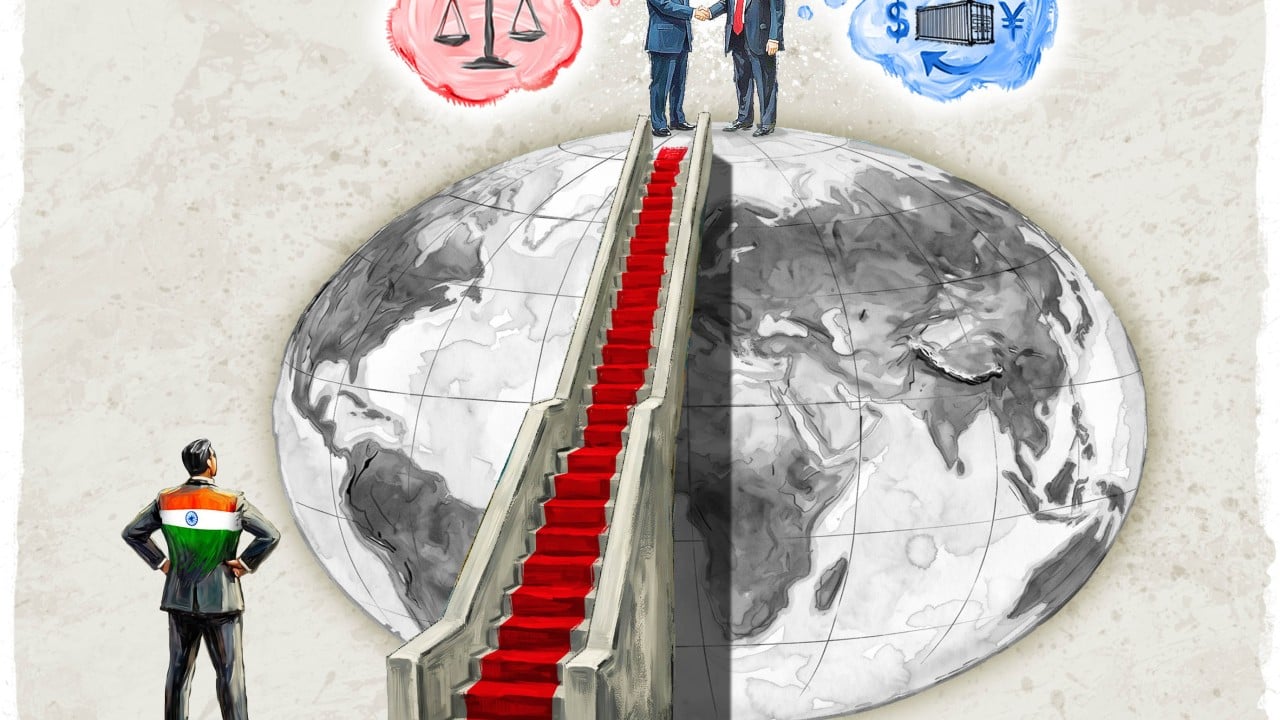
The "G2" illusion? After the Xi-Trump summit, China seeks equality while the US seeks deals. While Washington and Beijing signed an agreement based on reciprocity, a more significant question remains unresolved: does it imply equal status for Beijing? Countries without a seat at the table are closely watching this ambiguity. Chinese President Xi Jinping's state visit to Washington, complete with state greetings, aerial flyovers, and a state dinner, has been interpreted as a statement of rank rather than mere courtesy.
Some argue that China is no longer treated as part of the Global South but as the US' peer. However, "reciprocity" does not mean the same thing to both sides. For the US, reciprocity is transactional, with concessions balanced by concessions and deals measured by each side's gains. For China, it means equal standing, with Beijing recognized as a peer rather than a subordinate power.
Chinese Foreign Minister Wang Yi made this meaning explicit, stating that reciprocity meant the two countries were "equal in sovereignty," neither side standing above the other, and cooperation developing "in a balanced manner." US President Donald Trump's embrace of "G2" diplomacy and the extraordinary welcome for Xi provide Beijing an opportunity to turn transactional language into an image of parity.
However, analysts caution against reading the symbolism too far. "Reception protocol alone is not enough to conclude that both sides have accepted a 'G2' framework," says Sun Chenghao, a fellow at Tsinghua University's Centre for International Security and Strategy. "China is more concerned with whether the relationship is equal, whereas the US side is more focused on whether specific trade-offs are worthwhile," Sun added.
The gap lies in the expectations each side attaches to the relationship. While China wants equal status, the US is focused on whether trade-offs are worth it, with the US still asserting its leadership position. This "G2" illusion shows that while both countries may be at the table, they have very different expectations for the relationship's meaning.
Written by urgent.news from South China Morning Post's reporting — not their text. Machine-written — may contain errors; check the original before relying on it.