Taiwan's return to nuclear power driven by AI hunger for electricity
Taiwan is considering abandoning its Nuclear-Free Homeland policy and restarting its last nuclear reactor, shut down only last year.
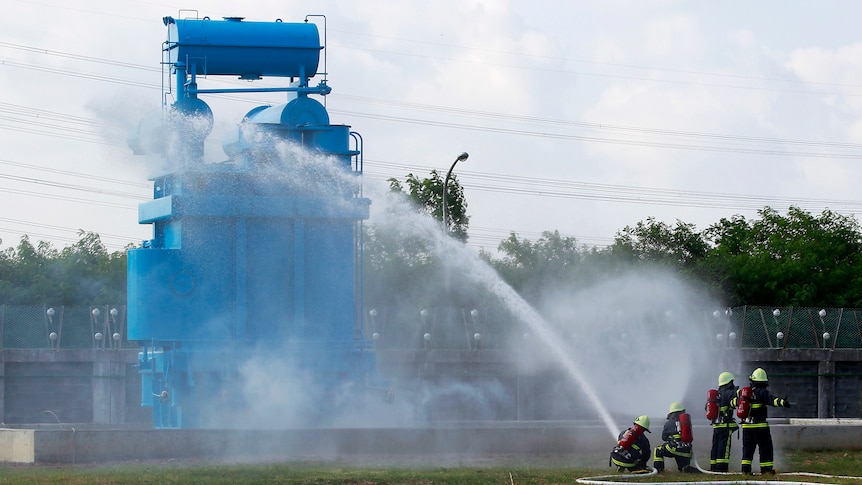
Taiwan is poised to reintroduce nuclear power into its energy mix, driven by soaring electricity demand from its burgeoning semiconductor and AI industries. The Maanshan Nuclear Power Plant in southern Taiwan could begin generating electricity as early as 2028, following the Nuclear Safety Commission's approval of plans to reactivate the plant, which was shut down in May 2025.
Supporters argue that nuclear power offers a low-carbon alternative to fossil fuels, addressing Taiwan's heavy reliance on imported oil, coal, and natural gas for electricity generation. However, critics caution that the proposed plant is too small to significantly impact energy demand and raise concerns about radioactive waste storage and accident risks.
While a majority of voters supported the plant's reopening in a referendum, the result was rejected by the Central Election Commission due to low voter turnout. The government now plans to hold another referendum in November to decide whether to abolish its nuclear-free policy. Despite rising support for nuclear power, concerns about safety and waste management persist.
Taiwan's nuclear plants previously stored spent fuel and low-level waste on-site, but this practice was halted after protests. The state-owned electricity utility, Taipower, plans to ready indoor dry storage at the Maanshan plant by 2031.
Written by urgent.news from ABC News AU's reporting — not their text. Machine-written — may contain errors; check the original before relying on it.