She Designed Meta’s New AI Logo. Then Came the Hate
Jessica Hische knew working for Meta might upset some people. But she didn’t anticipate just how angry they would get.
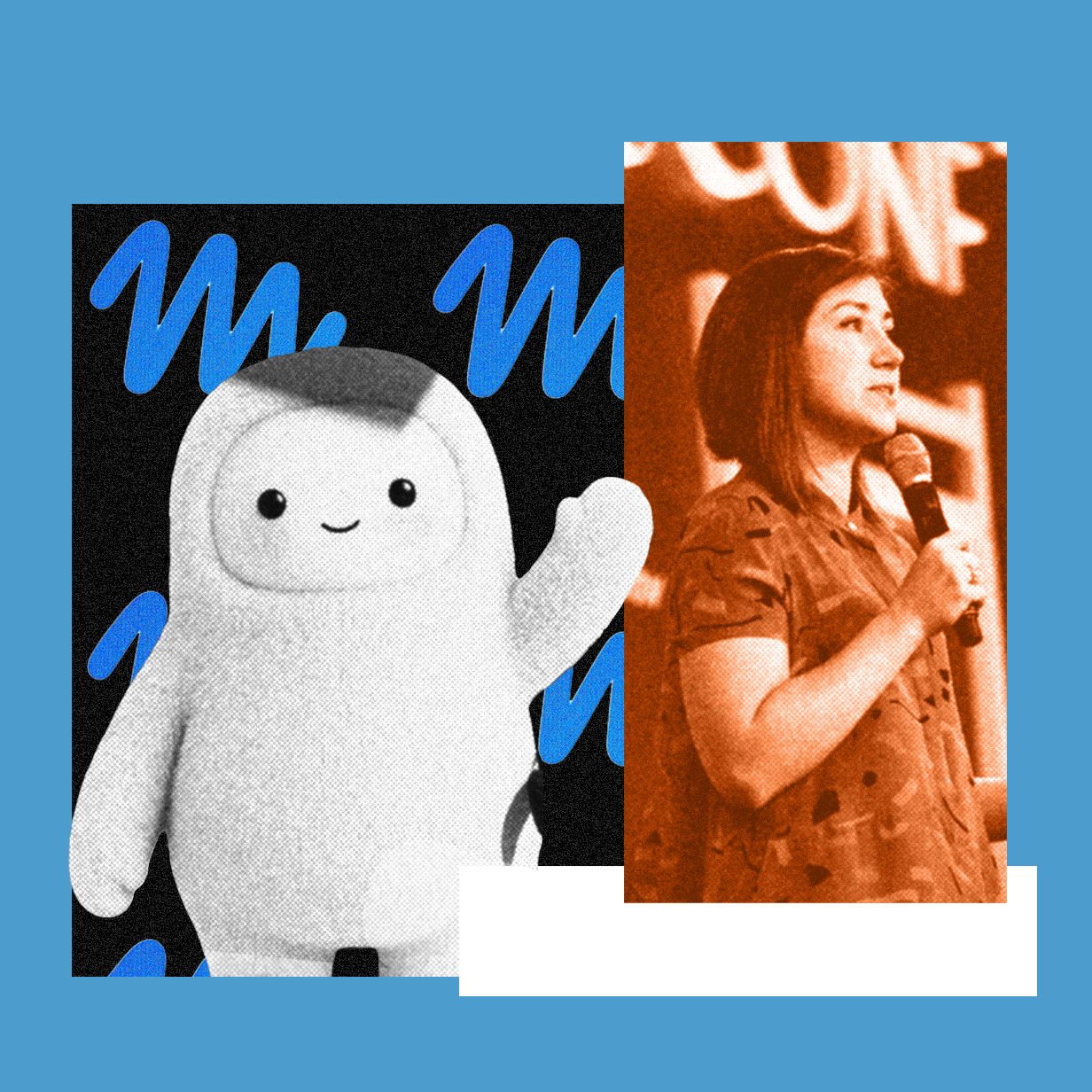
Jesscia Hische, a lettering artist from the Bay Area, received a freelance gig from Meta to design the logo for their new AI assistant, Muse. She explained that the decision to take the project was motivated by financial necessity, as her small business relies heavily on client work to keep her art and stationary shops in Oakland afloat. Despite the controversy surrounding both Meta and AI, Hische saw the project as an opportunity to generate income and support her business.
When contacted by the news outlet, Hische discussed the backlash she received from the designer community, who criticized her for "selling out" by working with Meta. She acknowledged that the project was a financial necessity, but also expressed her desire to create a fresh and appealing logo for the AI assistant. She emphasized that her design goal was to make the Muse logo feel inspiring and creative rather than rigid and cold, drawing from the company's infinity loop logo and Meta's visual language.
The Muse logo was designed in just two days, with 32 different versions and two weeks spent on the logotype. Meta's chief AI officer, Alexandr Wang, mentioned the logo in a recent interview, praising its non-threatening appearance compared to competitors. Hische hoped that the design would reflect the playful and engaging nature of the Muse AI, while also fitting seamlessly into Meta's existing visual universe.
Written by urgent.news from Wired Business's reporting — not their text. Machine-written — may contain errors; check the original before relying on it.
This story
This is one outlet's version. Read the fullest account.